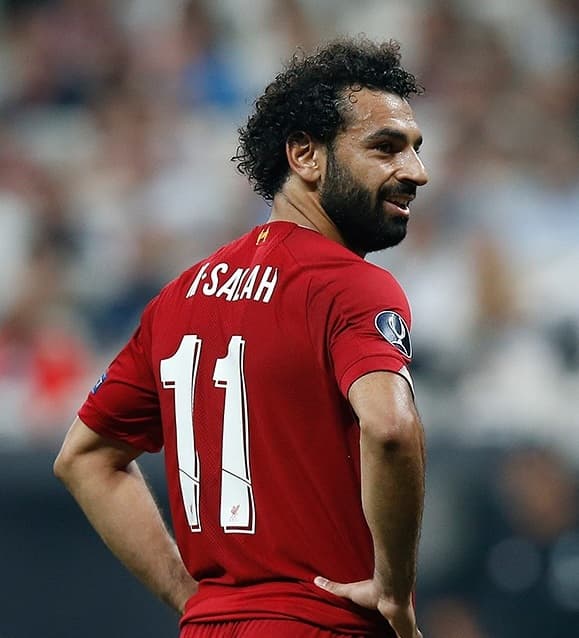
Mohamed Salah was asked why he was training on his day off.
Simply replied to his daughter Makkah: "Because I want to win".
"Have you not already won everything?"
"Not yet. Not for Egypt."
It was a simple exchange with his two daughters Makkah and Kayan walking down the street of Liverpool in an advert with Pepsi but one that neatly captures the mentality of a player who, despite a trophy cabinet few can rival, still operates with a sense of incompletion. As Salah jets off to the Africa Cup of Nations, those words provide the clearest insight into his motivation.
A turbulent departure from Liverpool
Salah leaves reigning Premier League champions Liverpool after a testing fortnight. Questions around his role, his future beyond January and his recent use from the bench have fuelled debate on Merseyside and far beyond it. His relationship with the club has felt strained, even if respect on both sides remains intact. it's wild to think a player who guided the Reds to their 20th League title 34 goals and providing 23 assists in 52 appearances, winning the Premier League and setting new records, including becoming the club's top Premier League goal scorer. He was a key player, contributing to 57 goal involvements in the league alone and securing PFA Player of the Season
Yet international football offers separation. Once Salah reports for duty with Egypt, club matters recede. For now, Liverpool is parked. The focus is singular.
AFCON heartbreak and unfinished business
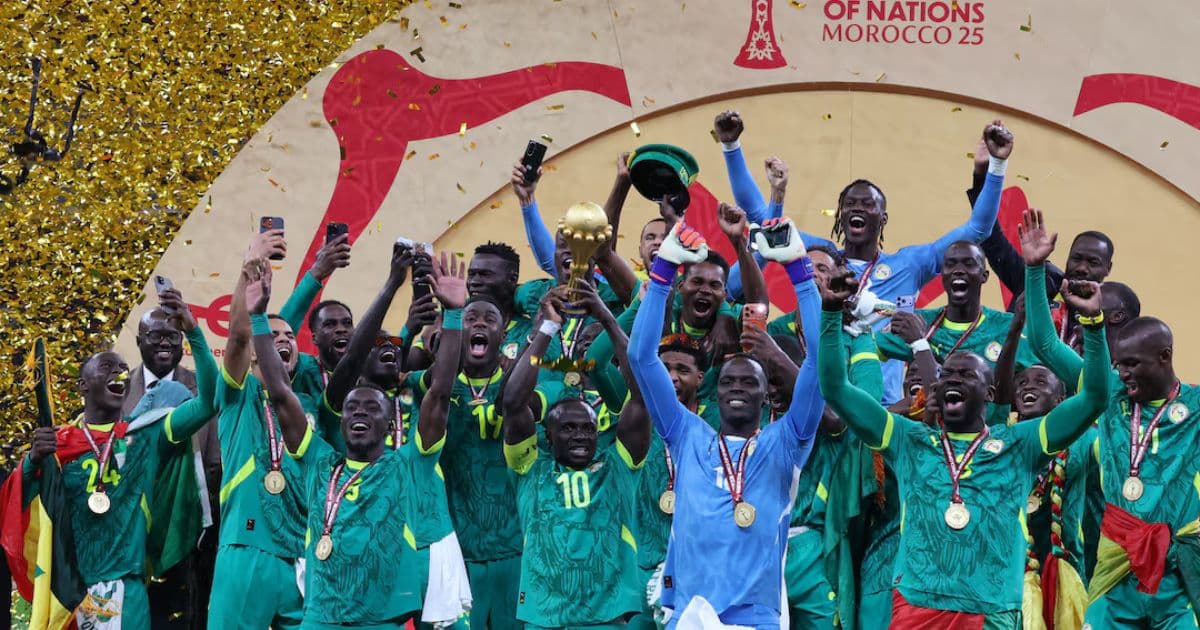
AFCON has long been a source of frustration for Salah. Across four tournaments, Egypt have fallen short time and again. Two finals have ended in defeat, most painfully in 2022 when Senegal prevailed on penalties after a 120-minute stalemate. Last year brought further disappointment as a hamstring injury against Ghana ended Salah’s involvement prematurely, before Egypt exited on penalties to DR Congo in the last 16.
Those experiences linger. At 32, Salah understands opportunities at international level are finite. This tournament, staged in Morocco, feels significant.
Egypt are drawn in Group B alongside Angola, South Africa and Zimbabwe and will be based in Agadir for the group stage, which concludes on December 29. Progression is expected but not guaranteed. Notably, Group B is the only section featuring two nations already qualified for the 2026 World Cup Egypt and South Africa.
Egypt’s squad carries attacking depth, with Salah joined by Omar Marmoush, Mostafa Mohamed, Mahmoud Trezeguet Hassan and Zizo. On paper, they have the tools to challenge.
This tournament in Morocco is not framed by legacy in the way outsiders might choose to define it. Salah has long since secured his place in Liverpool history and among the greatest African footballers of his generation. What remains is something far more personal. Winning AFCON would not rewrite his career, but it would complete it in a way nothing else can.
In Egypt, the burden is understood. Salah’s name dominates conversation, his performances dissected in real time, his silence often louder than any quote. He does not seek that responsibility, but he has never shirked it. When Egypt pull on the red shirt, they do so knowing that their captain sets the tone in preparation, in professionalism and in belief.
There are no guarantees. AFCON rarely follows form or reputation, and Egypt’s path is unlikely to be straightforward. Yet this squad arrives with balance, experience and attacking depth, and with a leader who has learned to endure disappointment without losing conviction but more motivation to silence the doubters.
For Liverpool, there is an unavoidable pause. His absence may be extended, questions may linger, and the future may remain unresolved. But for now, those uncertainties are secondary. His focus belongs elsewhere.
Salah has won the Champions League, the Premier League, domestic cups and individual honours that place him among the elite. He has scored at Anfield, in Rome, in Madrid and on the world stage. And still, when asked if he has won everything, the answer remains no.
Not yet.
Not for Egypt