After 10 seasons in England, the curtain is officially coming down on the greatest managerial era since Sir Alex Ferguson, as Spanish great Pep Guardiola will be leaving Manchester City at the end of the current season.
As reported by The Athletic, Guardiola is preparing to leave City, bringing a glittering, decade-long tenure to a close. Former Chelsea boss Enzo Maresca is expected to take the reins.
When Guardiola arrived in 2016 from Bayern Munich, traditionalists scoffed. Many claimed his intricate, possession-heavy style could "never work on a cold, rainy night in Stoke."
Ten years later, Guardiola is departing City having won 20 major trophies at the time of writing (could be 21 depending on whether or not Arsenal drop points in their last game of the season against Crystal Palace)
As he prepares for his final match against Aston Villa on May 24, here are the three fundamental ways Guardiola permanently rewired the DNA of the English game.
3. Guardiola Redefined the Goalkeeper Role in England

Before Pep came to England, the goalkeeper’s primary job was simple: kick it long, high and clear of the danger. However, he inverted this philosophy.
Upon arrival at City, Guardiola instantly dispensed with the iconic Joe Hart, signing Claudio Bravo from Barcelona as he thought the Chilean would suit his style better.
However, Bravo proved error-prone, and he upgraded him with Ederson the very next season. The rest, as they say, is history.

Today, because of Guardiola, technical proficiency under heavy pressure is a non-negotiable prerequisite for any goalkeeper from the Premier League down to League Two.
2. Guardiola Brought Positional Play to English Football
Before Pep came to England, the game in the country thrived off chaotic, physical and end-to-end transitional warfare. Teams won titles on counter-attacking velocity and sheer-grit.
Guardiola introduced meticulous, geometric patience. He emphasised territorial possession and the constant positional play, with players instructed to be in specific positions at very specific times to create numerical and territorial superiority.
His methods proved effective enough to win big in England, and other teams embraced this change.
1. Guardiola’s Influence Spread Across Every Level of Football
You seldom see English teams exclusively thumping Route One football as was the case before. This perhaps, should be Pep Guardiola’s greatest legacy.
According to data compiled by The Athletic, average pass completion rates across England's top four professional leagues rose steadily alongside City's dominance.
From youth academies to grassroots parks, teams now actively try to play out from the back.
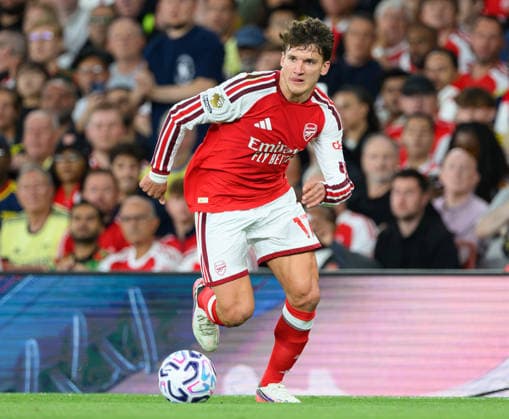
He created an army of disciples, including his impending successor, Enzo Maresca as well as Mikel Arteta, who is now on course to achieve a historic double with Arsenal.
This effectively means that when Pep leaves, English football will still look exactly like him.
When the dust finally settles on this era, Pep Guardiola’s true legacy will extend beyond Manchester City’s trophy room.
It will be seen in the way an academy kid in Bristol receives a pass on the half-turn, or how a League One goalkeeper calmly plays through an oncoming press.
He arrived as a skeptic's target and leaves as the ultimate architect of the modern English game.