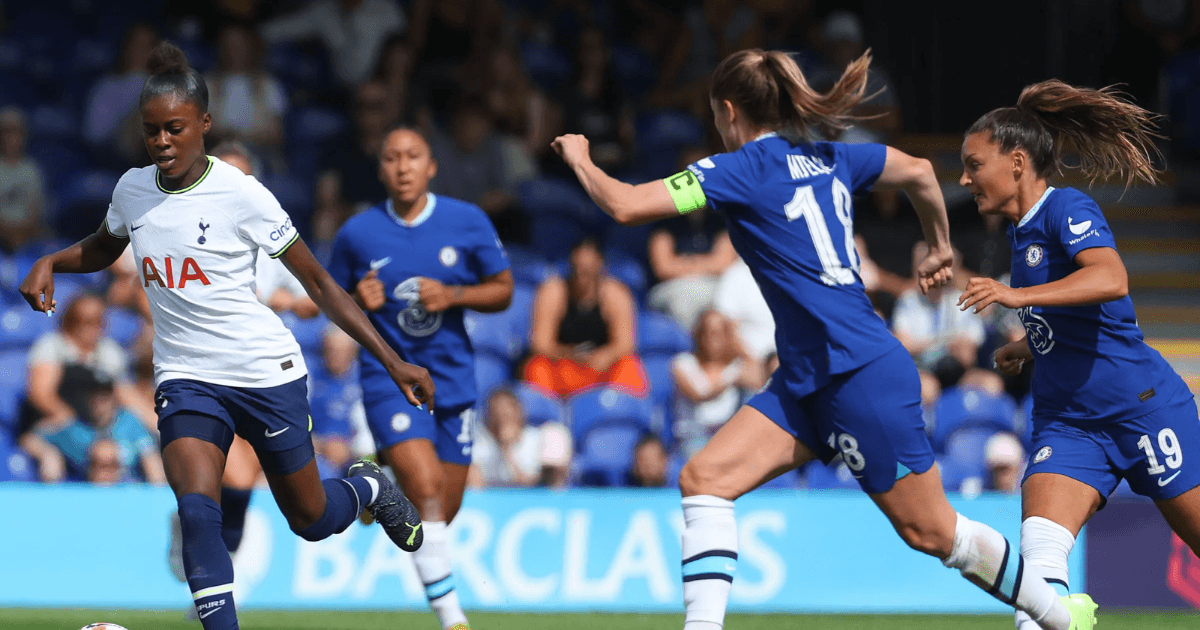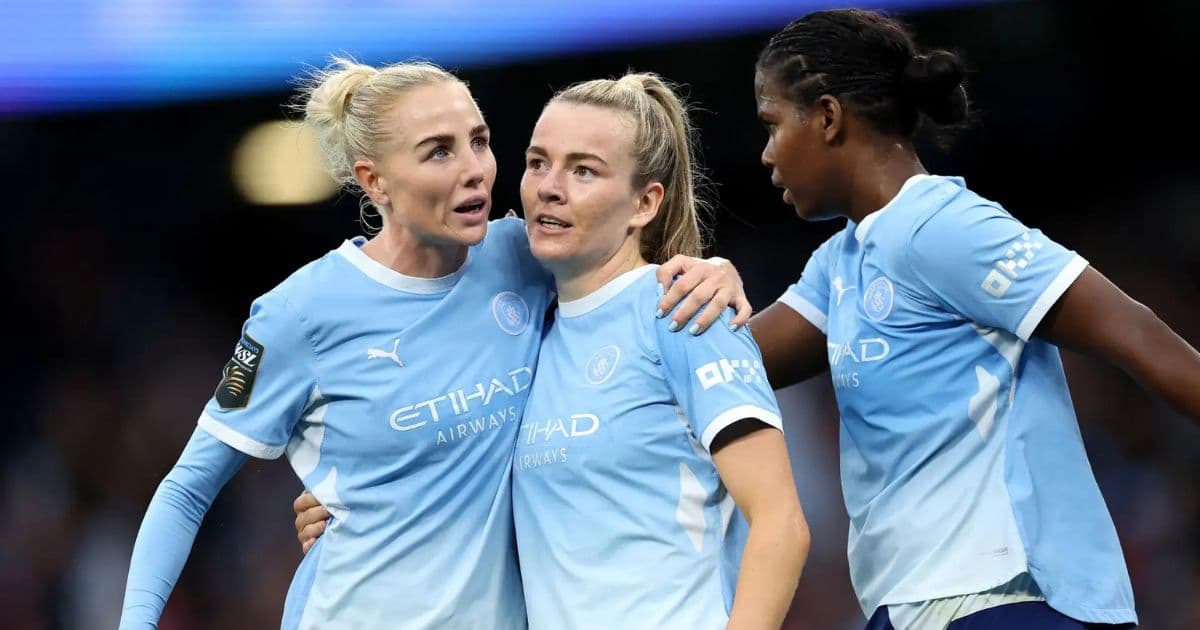
After 11 years in North London, Katie McCabe has joined Chelsea on a free transfer, a move that makes football sense, but one that many Arsenal supporters are struggling to separate from emotion.
When a Player Becomes Part of a Club
Some transfers feel bigger than football.
Katie McCabe leaving Arsenal after more than a decade was always going to provoke emotion — not simply because she changed clubs, but because of what she represented.
Across 11 years in North London, McCabe became part of Arsenal’s identity. Fiery, competitive and endlessly versatile, she embodied qualities supporters recognised instantly. Whether playing at left-back or stepping into unfamiliar roles, she carried an emotional edge that connected with fans.
That connection matters.
Modern football often feels temporary. Players move quickly, squads change and emotional attachment can feel fragile.
McCabe stood apart from that. Supporters watched her grow from a young signing into a senior leader and familiar presence during changing eras at the club.
That is why this move feels different.
Chelsea Changes Everything
Transfers between rivals are hardly new.
Professional football rarely allows sentimentality alone to dictate decisions and players have crossed divides before. But context shapes emotion.
Chelsea are not simply another destination. They are Arsenal’s fiercest domestic rival in the women’s game, a club competing directly for league titles and European success.
Had McCabe moved abroad or joined a side outside Arsenal’s competitive orbit, the reaction may have been softer. Chelsea adds another layer.
For many supporters, this is not merely departure — it feels personal.
Football rivalry thrives on emotion, and long-serving players moving across those lines inevitably invite strong reactions.
Read More: Why Georgia Stanway Could Be Arsenal’s Most Important Signing of the Summer
Why the Transfer Makes Football Sense
Emotion, however, does not erase football reality.
Women’s football has grown significantly, but elite players still operate within a relatively small market where career decisions are shaped by finances, opportunity and stability.
Chelsea offer continuity, ambition and the chance to remain in London while competing for major honours. Arsenal, meanwhile, appear to be entering a new phase, with younger leadership voices emerging and squad evolution becoming increasingly necessary.
Two things can be true at once.
A transfer can make complete football sense while still hurting supporters.
That tension sits at the heart of the McCabe conversation.
Why Arsenal Fans Are Struggling to Accept It
Supporters are often encouraged to approach transfers rationally — to remember contracts, career pathways and professional realities.
But emotional investment is the point of football.
Fans cared because McCabe mattered.
Feeling frustrated, disappointed or even betrayed does not make supporters irrational. So long as those emotions never become abuse, they remain part of football’s theatre and rivalry.
If anything, the reaction says more about McCabe’s place at Arsenal than any tribute could.
Players do not inspire this level of feeling unless they leave a lasting mark.
Katie McCabe’s Arsenal story was never going to end quietly. Not after 11 years, not with Chelsea involved and not after becoming more than just a player to many supporters.
Football will move on, as it always does.
But supporters do not always process football through logic.
Sometimes they process it through attachment — and perhaps that is why this move hurts so much.