
We're still several years away from Euro 2032, which will be hosted by Italy and Turkey, but planning and preparations are already well underway.
Between the two host nations, the venues have not yet been finalised, with each country set to select five stadiums to host matches at the tournament.
The deadline for the Italian venues to be submitted to UEFA is October 1, with 13 cities and 16 stadiums having submitted documentation to the FIGC.
Capacity is one factor in the selection process, but UEFA and the FIGC are also assessing infrastructure, accessibility, hospitality, safety, sustainability and other requirements.
For Türkiye, the proposed venues include three stadiums in Istanbul, the New Ankara Stadium and Timsah Arena in Bursa, alongside other candidate venues across the country.
Why Is the Maradona Stadium Important for Euro 2032?
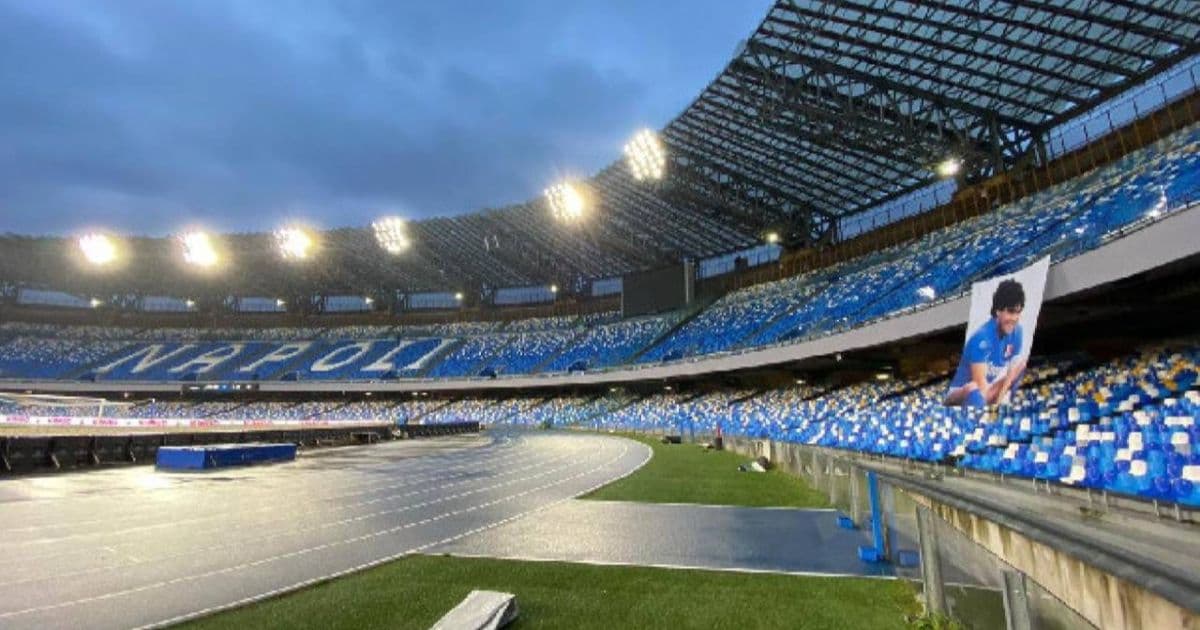
Between the proposed venues, there's a plethora of rich footballing history, but none perhaps more historic than SSC Napoli's Stadio Diego Armando Maradona, previously known as Stadio San Paolo.
The stadium was renamed in honour of Diego Maradona after his death in November 2020, recognising his historic connection with Napoli.
Naples Approves €50m for Diego Armando Maradona Stadium
Ahead of the plans for Euro 2032 and its venues getting finalized, Napoli's Diego Armando Maradona stadium has been given a financial boost.
According to news agency ANSA, the Naples city council has authorised €50 million in funding for the redevelopment of the stadium ahead of Euro 2032, taking the total funding allocated by the city and Campania Region to about €200 million.
An initial €150 million has been allocated by the Campania Region for the redevelopment, with the additional €50m from Naples city council approved under mayor Gaetano Manfredi.
The iconic venue that has celebrated two Scudetti within the past five years after a 30-year drought has been home to countless memorable moments over the years.
Unlike some of the other Italian venue projects that involve replacing or substantially rebuilding existing structures, Naples plans to renovate the existing stadium, which was originally built in 1959.
The approach would preserve the existing structure while modernising one of Italy's most historic football stadiums.