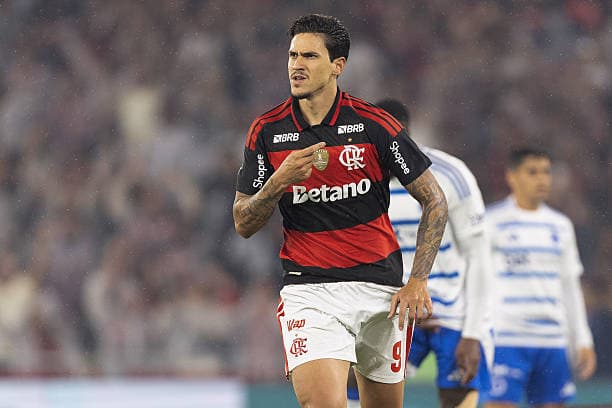
Flamengo already dominate most conversations in Brazilian football. Now they are leading the 2026 World Cup pre-selection lists too.
The Rio-based club has 12 players included across preliminary squads for the tournament in the United States, Canada and Mexico. Seven are linked with Brazil, while others are in contention for Uruguay, Ecuador and Colombia. Palmeiras sit behind them with nine possible call-ups.
At first glance, it looks like another badge of honour for Flamengo. A sign of squad depth and growing global status but there is another layer to this story and it matters just as much.
FIFA’s Club Benefit Programme pays clubs for every player released for international duty at the World Cup. The longer a player stays in the tournament, the more money their club receives. That means Flamengo are not only sending players to the biggest stage in football. They are also preparing for another huge financial boost.
Flamengo’s World Cup Presence Could Bring Another Financial Boost
Back at the 2022 World Cup in Qatar, Flamengo had four representatives. Pedro and Everton Ribeiro played for Brazil while Arrascaeta and Varela represented Uruguay.
That group earned the club roughly around £880,000 at the time. FIFA paid clubs daily compensation fees from the moment players joined their national teams until elimination from the tournament.
This time the numbers could be far bigger. FIFA has already confirmed a total World Cup budget of around £260 million for 2026, with part of that reserved for club compensation payments. The exact value per player has not yet been confirmed but the overall fund is significantly larger than in 2022.
Flamengo also expect to send far more players than they did four years ago. Even if a few names miss the final cut they are still likely to comfortably beat their previous total.
For a club already operating at another financial level inside Brazil, it is more evidence that success now feeds itself.
The Gap Between Brazil’s Biggest Clubs Continues to Grow
This is where the conversation gets slightly uncomfortable for the rest of Brazilian football.
Flamengo already pull in big sponsorship deals, stronger TV revenue and have larger transfer budgets than most domestic rivals. Now international tournaments are widening that gap too.
The World Cup used to feel separate from club football. Today it is yet another revenue stream for domestic clubs teams with the deepest squads (and pockets) with the most international players to continue to grow.
This creates a cycle which is difficult to break. More money brings better players. Better players bring more call-ups. More call-ups bring even more money. There is no incentive for this model not to continue growing for FIFA or the clubs that benefit the most.
Flamengo are not doing anything wrong. They have built one of the strongest squads in South America and are benefiting from it. However stories like this show why the distance between Brazil’s “haves” and “have-nots” keeps growing every season.