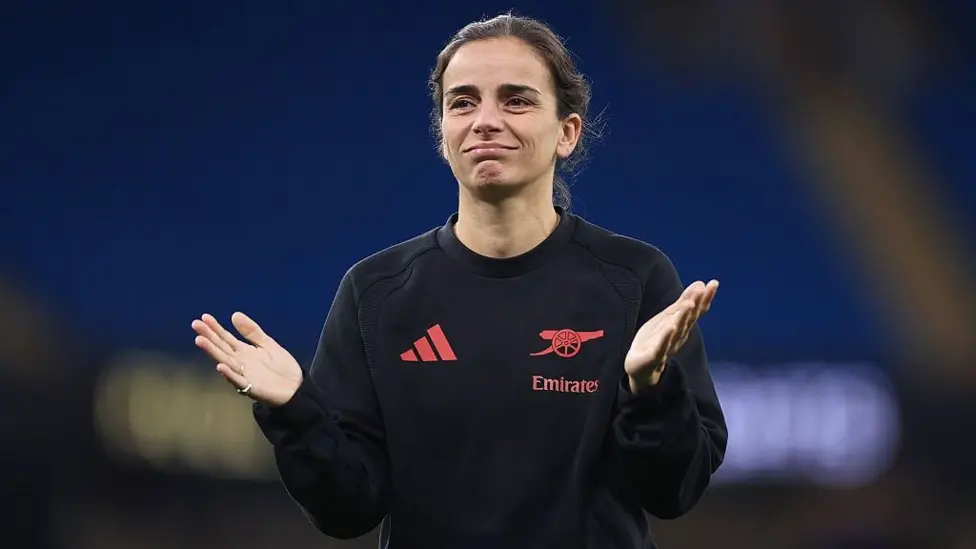

Arsenal are facing an early-season crisis after a disappointing run of results left Renee Slegers under growing pressure, with supporters beginning to question whether the manager can turn their campaign around.
The Gunners have managed just one win in their last six matches across all competitions and are eighth in the Barclays Women’s Super League after six league fixtures. Their latest setback was a 1-1 draw against newly promoted Birmingham City at the Emirates Stadium, extending their winless league run to five games for the first time in the club’s history.
However, deciding whether Slegers should lose her job is not quite as straightforward as the current league table might suggest.
The Dutch coach has already delivered the ultimate prize in European club football with Arsenal, and the challenge now is determining whether this poor start represents a temporary slump or a deeper problem that requires a change in leadership.
Why Arsenal are struggling under Renee Slegers
Arsenal’s biggest problem this season has been their inability to turn control of matches into victories.
The draw against Birmingham was a clear example. Arsenal enjoyed more than 75% possession and registered 27 attempts, but could not find a winning goal after Olivia Smith’s superb equaliser cancelled out Oceane Hurtre’s opener.
The result followed a difficult run that has included defeats to Chelsea and Manchester City, alongside draws against Manchester United and other league opponents.
The underlying concern is not simply the lack of points. Arsenal have struggled to break down organised defences, with their attacking play often lacking the speed and movement required to create clear opportunities in central areas.
When opponents defend deep, the Gunners have too frequently relied on individual moments of quality rather than consistent patterns of play. There has been a lack of sharp interplay, movement off the ball and penetration through the middle.
These issues also create problems defensively. When Arsenal struggle to score, they are forced to chase games, leaving them vulnerable to counter-attacks and mistakes in transition.
Slegers and her coaching staff must take responsibility for finding solutions, but the players also have a part to play. Arsenal have a squad filled with international quality, and the performances so far have not reflected the level expected of them.
That is why the criticism is understandable. Arsenal are not simply dropping points against title rivals; they are struggling to overcome opponents they would normally expect to beat.
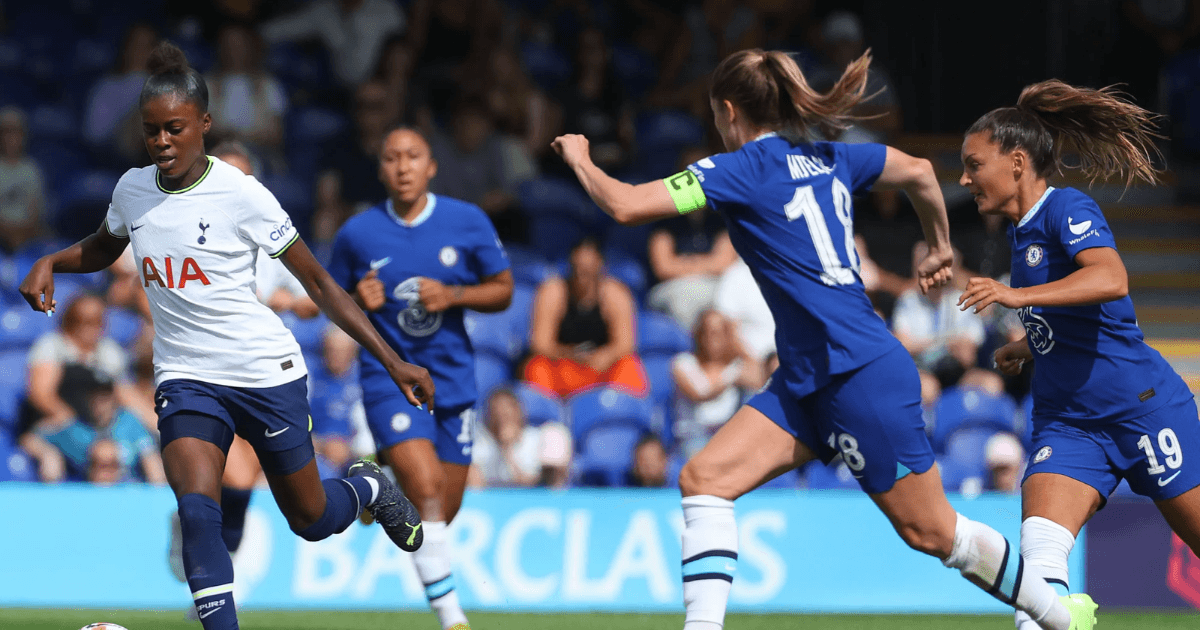
The pressure is therefore building ahead of Sunday's North London derby against Tottenham Hotspur. Another disappointing result would intensify the scrutiny on Slegers and make it increasingly difficult to dismiss the current run as a short-term issue.
Why Arsenal should give Renee Slegers more time
Despite the poor start, there is a strong argument for giving Slegers more time.
Her achievements at Arsenal should not be forgotten after a difficult opening to the season. She guided the club to UEFA Women's Champions League glory in 2025, delivering a major trophy and demonstrating that she can lead a team successfully at the highest level.
That success provides important context when assessing her position. Arsenal appointed Slegers to build a team capable of competing for the biggest honours, and she has already shown that she can deliver on that ambition.
Sacking her now would mean making a significant decision after a relatively short period of poor results, without necessarily addressing the underlying problems.
The club would also need to identify a suitable replacement. Finding a manager with the tactical ability, experience and understanding of Arsenal's expectations would not be straightforward. An interim appointment could offer a temporary solution, but it would introduce further uncertainty during an already difficult period.
There is also the question of the dressing room. A manager's position becomes more difficult to sustain if players have lost confidence in the methods or no longer believe in the direction of the team. However, results alone do not establish whether that has happened at Arsenal.
If the players remain committed to Slegers and are willing to work on the team's shortcomings, there is still an opportunity to turn the season around.
The coming fixtures will be crucial. Arsenal need to show greater attacking urgency, improve their decision-making in the final third and become more reliable defensively. Most importantly, they need to start winning matches again.
Verdict: Arsenal should give Renee Slegers time to respond
Arsenal's current form is not good enough, and Slegers cannot escape responsibility for a team that has won only once in six matches across all competitions.
But that does not automatically mean she should be sacked.
Her Champions League triumph demonstrates that she has the ability to lead Arsenal to major success. The club must now decide whether the current problems can be resolved through tactical adjustments, improved performances and renewed confidence, rather than immediately changing managers.
There should be a clear expectation of improvement, particularly with the quality available in the squad. Patience should not mean accepting a prolonged period of underperformance without consequences.
The North London derby against Tottenham represents an important opportunity for Arsenal to respond. A convincing performance and three points would not solve every problem, but they would provide a much-needed platform from which to rebuild momentum.
For now, Arsenal should give Slegers the opportunity to prove she can turn things around. If the same problems persist and results continue to fall below expectations, the argument for a change will become considerably stronger.
The question is no longer whether Arsenal need to improve. They clearly do. The real test is whether Slegers can deliver that improvement before the club decides that a new direction is necessary.