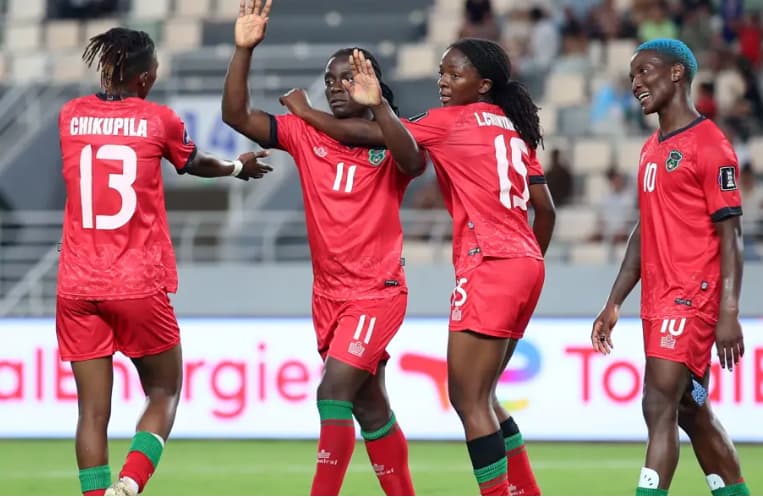
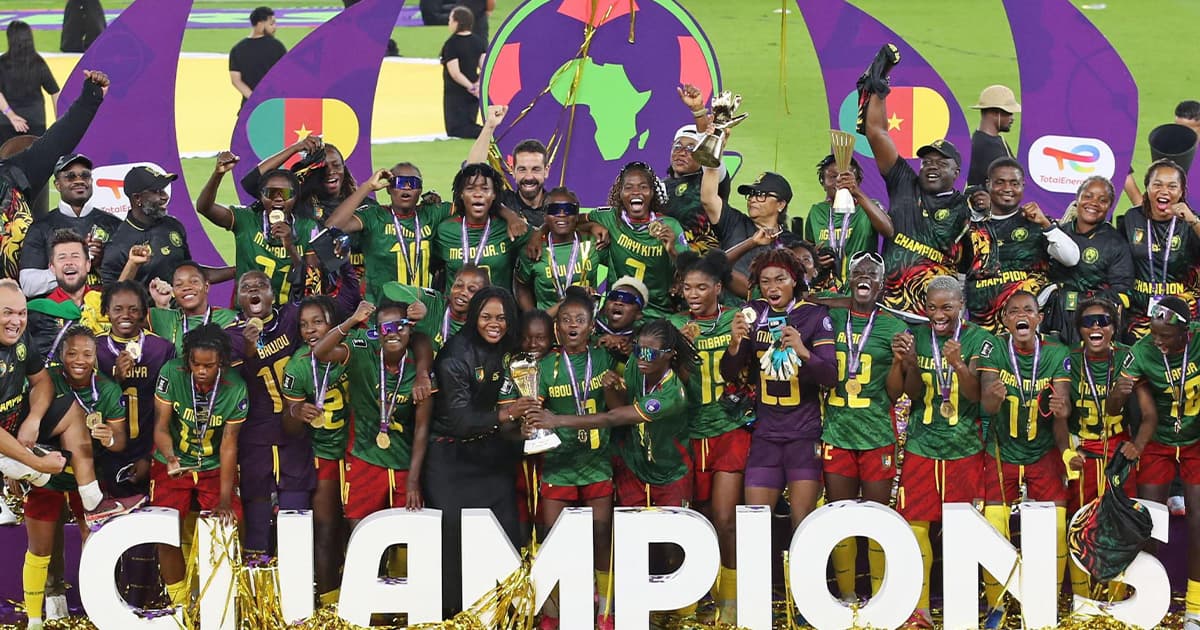
The 2026 Women's Africa Cup of Nations (WAFCON) concluded on Sunday, 16 August 2026, with Cameroon beating tournament debutants Malawi 3-0 victory over tournament debutants Malawi at the Prince Moulay El Hassan Stadium in Rabat, Morocco.
The 2026 Women's Africa Cup of Nations (WAFCON) concluded on Sunday, 16 August 2026, with Cameroon beating tournament debutants Malawi 3-0
The historic match and the broader tournament highlighted major shifts in African women's football.
Striver.Football profiles five key takeaways from a historic WAFCON final that was guaranteed to produce a first-time champion.
5. Cameroon Turned a Second Chance Into a Historic Triumph
Cameroon’s first-ever WAFCON title stands as one of the most remarkable redemption stories in WAFCON history.
The Indomitable Lionesses originally failed to qualify for the tournament after losing to Algeria in the qualification rounds.
However, when CAF expanded the final tournament format from 12 to 16 teams, Cameroon was handed a wildcard lifeline based on their high FIFA ranking.
They made the most of their second chance, pulling off a run reminiscent of Denmark's fairytale Euro '92 victory.
After losing three previous finals (all to 10-time champions Nigeria in 2004, 2014, and 2016), Cameroon finally lifted the continental trophy.
4. Malawi Have Established Themselves Among Africa’s Elite
Despite entering WAFCON 2026 as tournament debutants and the lowest-ranked nation in the competition (153rd in the FIFA World Rankings), Malawi enjoyed a magical run to the final.
Powered by the lethal attacking partnership of sisters Tabitha and Temwa Chawinga, the Scorchers played fearless football.
Temwa Chawinga finished tied as the WAFCON Golden Boot winner with 5 goals and 2 assists, proving that Malawi belongs among Africa's elite forces.
3. The Balance of Power Is Shifting in African Women’s Football
The 2026 tournament exposed a massive shift in power across the continent. Traditional heavyweights like Nigeria (10-time champions), South Africa, and Ghana all failed to make the semi-finals.
For the first time ever, Nigeria missed out on automatic qualification for the FIFA Women's World Cup after being eliminated by Cameroon in the quarter-finals.
Instead, a new crop of giants, Cameroon, Malawi, Morocco, and Algeria, secured the four automatic World Cup qualification places for the 2027 FIFA Women's World Cup in Brazil.
2. Cameroon’s Quality and Squad Depth Made the Difference
While Malawi's attack made headlines throughout the tournament, Cameroon's technical balance and experience proved decisive in the final.
Marie Ngah Manga scored a clinical first-half brace to move level with Temwa Chawinga and Barbra Banda on five total goals for the tournament.
Naomi Eto delivered a spectacular 30th-minute swivelling finish and produced the pinpoint cross for Ngah Manga's second goal.
Midfielder Monique Ngock was named the tournament's Best Player, while Michaely Bihina won the Golden Glove as Best Goalkeeper.
1. WAFCON’s Global Reach Continues to Grow
The broadcast infrastructure of the 2026 final signaled a commercial explosion for the African women's game.
The match was broadcast live in over 85 countries, including free-to-air coverage in the United Kingdom via Channel 4 alongside global networks like DAZN and beIN Sports.
Backed by a 100% prize money increase to $2 million (£1.47 million) for the champions, the tournament proved that international appetite and corporate backing for African women's football are at an all-time high.
WAFCON 2026 Final: The Numbers That Matter
3-0: Final score as Cameroon earned a clean-sheet victory over Malawi to lift their maiden trophy.
$2 million (£1.47 million): The record-breaking financial prize money awarded to Cameroon as tournament champions.
85+: Total number of countries that broadcast the final live worldwide.
153rd: Malawi’s official FIFA ranking entering the tournament as the lowest-seeded finalist in history.
5: Marie Ngah Manga, Temwa Chawinga and Barbra Banda finished level on five goals in the Golden Boot race.
4: Automatic 2027 FIFA Women's World Cup berths claimed by Cameroon, Malawi, Morocco, and Algeria.