As the expanded 48-team 2026 FIFA U-17 World Cup prepares to kick off in Doha on Thursday, most football fans will naturally gravitate towards major teams like Brazil, Argentina, Spain and France.
However, several other nations will be eager to show they belong on this stage, with the next generation of talent looking to make an impression.
Ahead of the tournament, Striver.Football has picked out five nations to watch and explained why they could spring a surprise in Qatar.
Tanzania
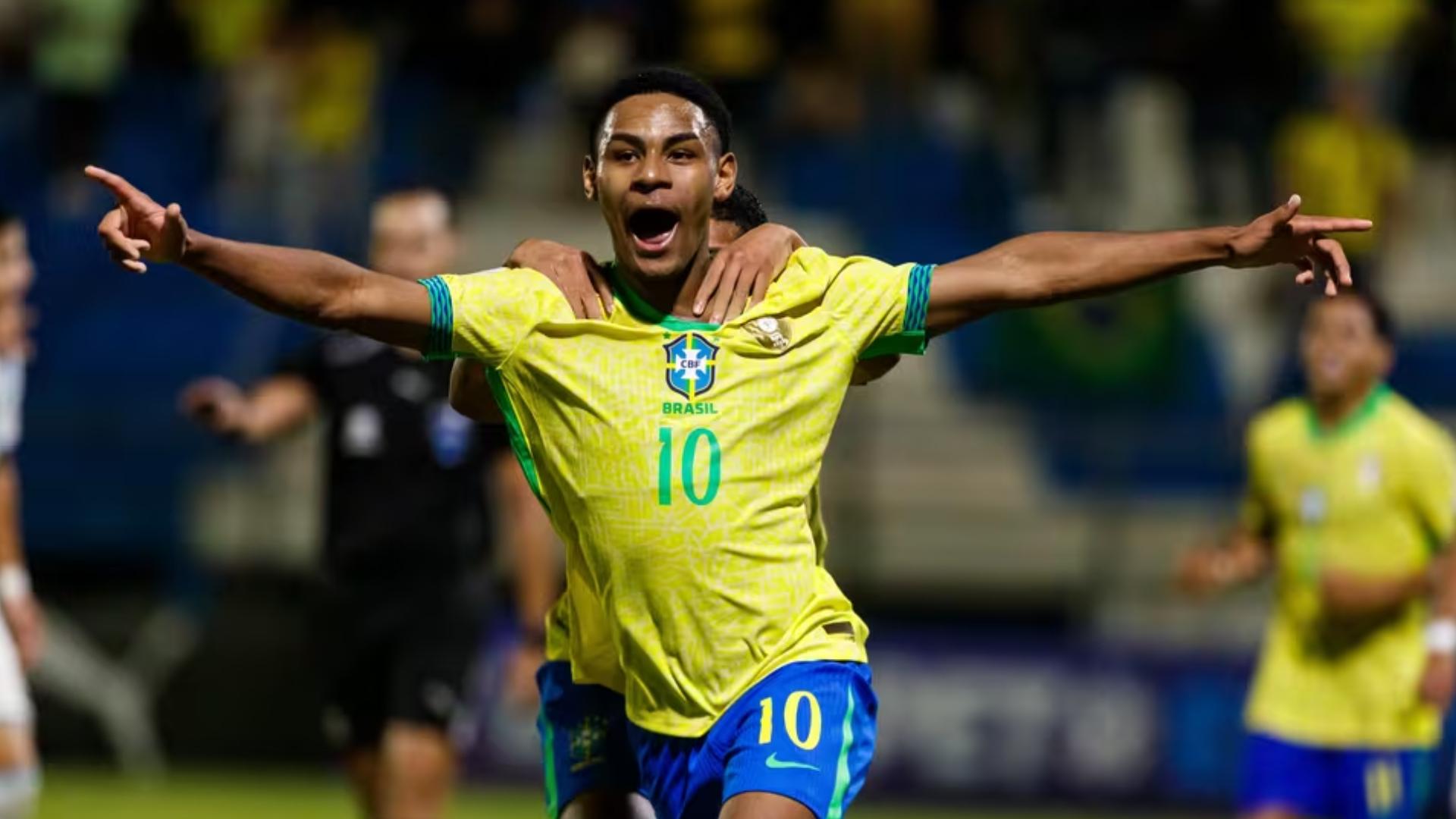
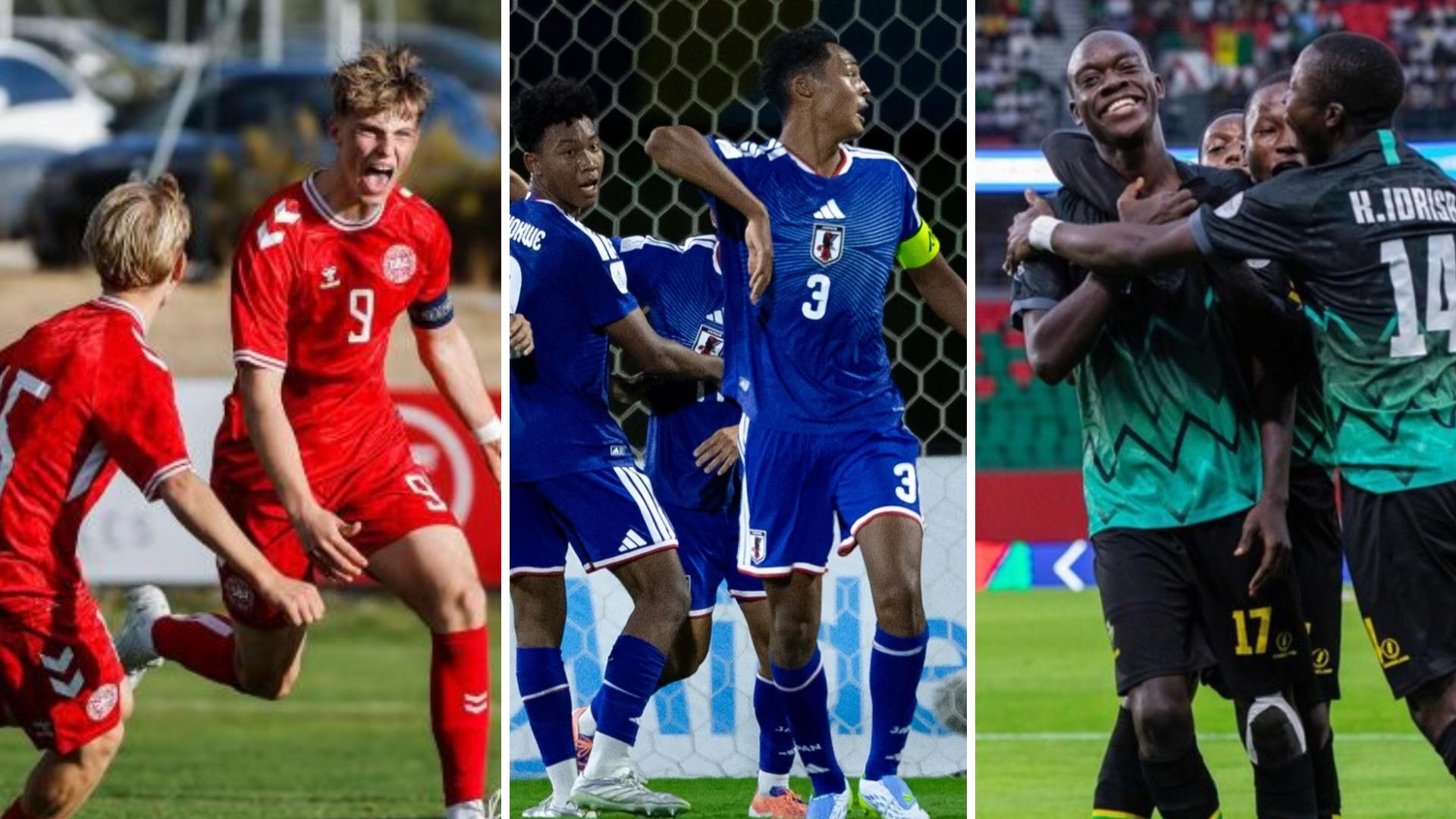
Drawn into Group I alongside Brazil, the Republic of Ireland, and Costa Rica, Tanzania are making their first-ever appearance at a FIFA men's tournament.
Yet the Serengeti Boys arrive in Qatar as the 2026 U-17 Africa Cup of Nations runners-up. Tanzania control matches through intelligent midfield circulation and lethal counter-attacking precision.
Their belief rests on two of the brightest individual award winners from the 2026 continental cycle.
Midfield metronome Issa Chole (Fountain Gate Academy) claimed the Man of the Competition award at the U-17 AFCON, dictating the tempo and breaking lines with composure while also gaining experience in senior domestic football.
Up front, 14-year-old Dismas Shida Athanasi won the AFCON Golden Boot despite being the tournament's youngest player.
Going head-to-head with Brazil in Group I, Tanzania possess the midfield-to-striker connection needed to punish an overcommitted favourite.
Denmark
Competing in Group C against Argentina, Australia, and Mozambique, Denmark return to the U-17 World Cup stage for the first time since 2011.
While Argentina dominate the pre-tournament headlines, and Denmark open their campaign against debutants Mozambique, the Scandinavians quietly enter Qatar with one of Europe's most cohesive pressing structures and goalscoring efficiency.
Danish youth setups have spent the past decade closing the technical gap with Europe's elite while retaining superior set-piece organisation.
Captain and centre-forward Mikkel Bro Hansen (PSV Eindhoven) gives Denmark a strong focal point capable of troubling opposing centre-backs.
Arriving in Doha with 13 goals in 16 U-17 international appearances, Hansen is a clinical finisher who could make the difference in a tight group-stage fixture, particularly against Argentina.
Croatia
Placed in Group F alongside Senegal, Croatia carry a reputation for punching above their weight on the international stage, including at youth level.
Blending prospects from Dinamo Zagreb and Hajduk Split with the ones sharpened at top Bundesliga academies like Bayern Munich, Croatia thrive in knockout-style environments where game management decides outcomes.
Croatia have defensive strength and attacking quality across the pitch. At the back, 16-year-old Filip Pavic brings composure and progressive passing from his time in Bayern Munich's academy, while Dinamo Zagreb's Jona Benkotic is capable of controlling the tempo in midfield.
In the final third, TSG Hoffenheim striker Jakov Dedic arrives after finishing as the top scorer at the 2026 UEFA European Under-17 Championship, where he also netted a hat-trick against Spain.
Haiti
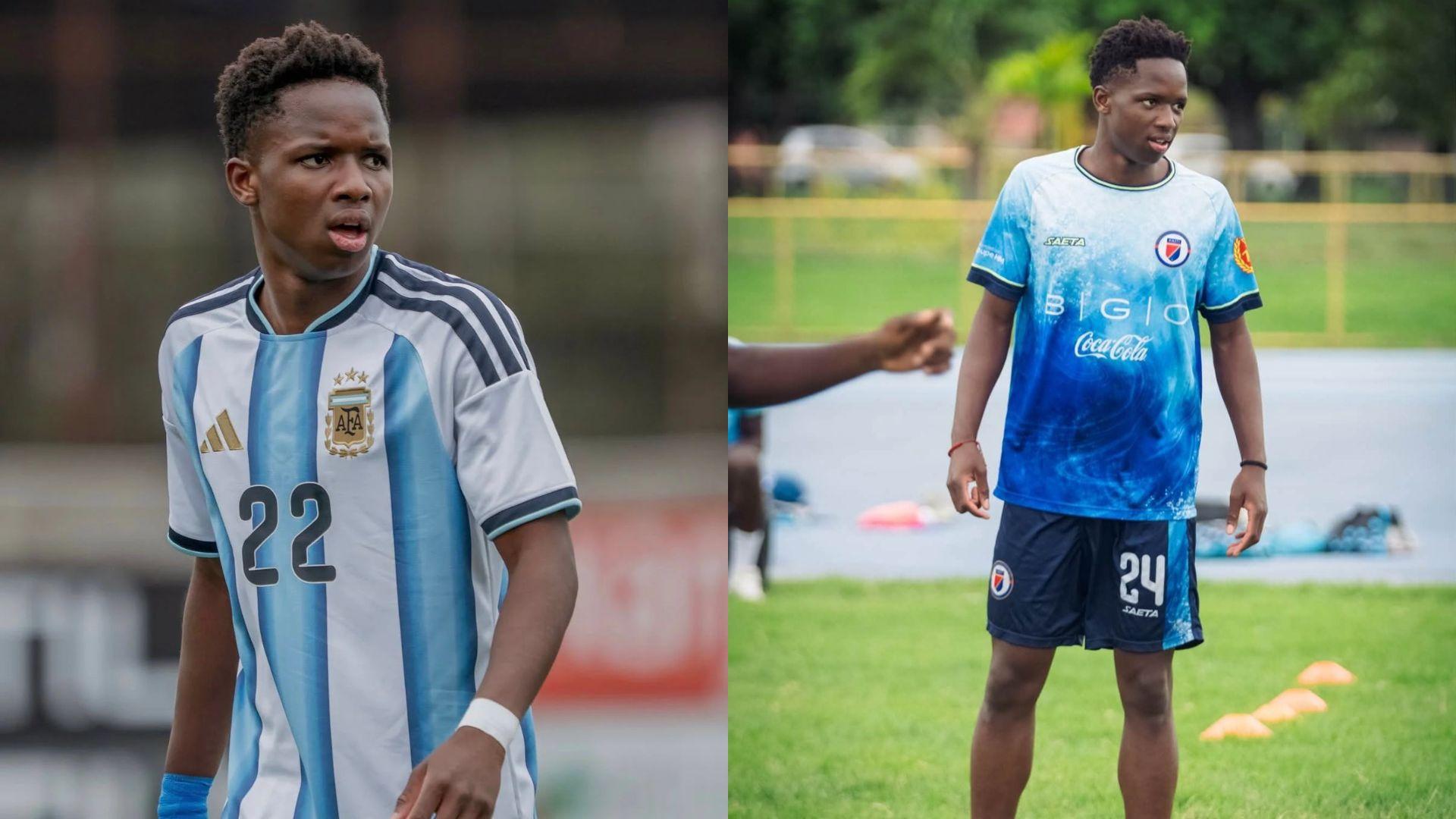
Drawn into a brutal Group D alongside France, Uruguay, and Saudi Arabia, Haiti are making their fourth U-17 World Cup appearance as an overwhelming underdog on paper. They will begin their campaign against France.
Although Haiti are known for their collective work ethic, they now have a South American-trained match-winner leading their attack.
Striker Stephen "Kiki" Ramos is one of the defining stories of Qatar 2026. Born in Port-au-Prince, Ramos developed at Argentine club Vélez Sarsfield, where he scored 30 goals in 68 youth matches. He subsequently switched his international allegiance to Haiti after being left out of Argentina's final squad.
His instinctive movement and sharp finishing could make Haiti dangerous against any opponent.
Japan
Competing in Group L at their 12th U-17 World Cup, Japan have established themselves as one of the most consistent producers of technically gifted young players in world football.
Their U-17 squad combines collective pressing and fluid rotations, with several players already gaining experience in senior domestic football.
Attacking midfielder Maki Kitahara of Tokyo FC, on loan at Fujieda MYFC, arrives in Qatar after sweeping both the MVP and Top Scorer awards at the 2026 AFC U-17 Asian Cup.
Having already made J1 League history as Tokyo FC's youngest-ever debutant, before gaining senior experience and scoring in J2 with Fujieda MYFC, Kitahara brings maturity and an additional goal threat to the Japanese side.
What young players can learn from these five nations
Continental accolades provide a platform: Tanzania's Issa Chole and Dismas Shida Athanasi earned recognition after winning the MVP and Golden Boot awards respectively at the 2026 U-17 AFCON.
If they carry that form onto the global stage against teams like Brazil, their performances could inspire young players from less established footballing nations to believe they can compete at the highest level.
Senior minutes sharpen youth-level decision-making: Japan's Maki Kitahara illustrates how experience against senior professionals can help young players when they return to compete against opponents in their own age group.
Setbacks can turn into opportunities: Stephen "Kiki" Ramos has turned his omission from Argentina's squad into an opportunity to lead Haiti's attack, showing how an unexpected setback can open a new international pathway.