
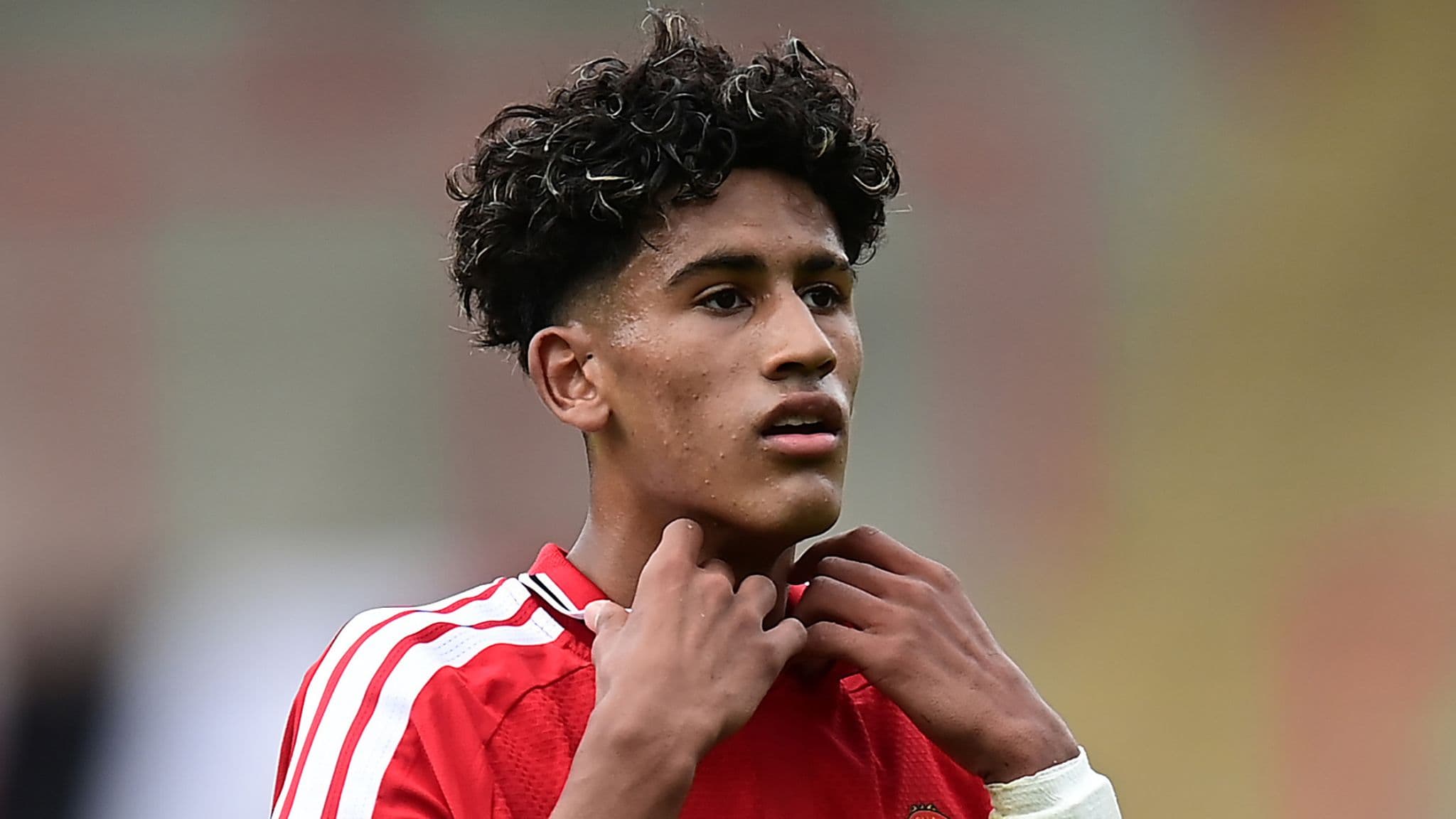
Under ordinary circumstances, a 15-year-old growing up in the UK is typically consumed by deciding which GCSE subjects to revise for, navigating friendship groups, and figuring out weekend plans.
But over the past few weeks, the choices made by Manchester United teenage striker JJ Gabriel have ignited an intense media storm, drawing public scrutiny onto an uncomfortable reality of modern football: highly rated academy players are increasingly valuable assets in a competitive youth recruitment market.
Gabriel’s decision to seek an exit from Old Trafford highlights the growing pressure surrounding elite academy recruitment and player development.
With clubs like Manchester United, Liverpool and Manchester City increasingly recruiting from one another's academies, why are schoolboys increasingly prepared to rock the boat and seek exits before they are even legally old enough to sign a professional contract?
5 Reasons Why Are Young Academy Players Seeking Moves So Early?
How Brexit Changed the Race for Young Academy Talent
As former Liverpool and Southampton youth scout Ryan Cardwell explained in his insights shared with the BBC, the UK's departure from the European Union completely altered scouting landscapes.
Before 2021, Premier League clubs routinely scoured academies in Belgium, the Netherlands, and across the continent using Heathrow and Gatwick airports as scouting highways.
With Premier League clubs generally unable to sign overseas players before they turn 18, elite academies have turned their crosshairs inward, sparking an unprecedented war to poach top-tier talent from rival domestic Category 1 setups.
Why Young Academy Players Matter Under New Financial Rules
Under the Premier League's new Squad Cost Ratio (SCR) system, academy recruitment can have important financial implications for clubs.
Academy signings do not count against squad cost ratios, and if a homegrown or poached youngster is eventually sold on for millions, a future transfer can generate a significant accounting gain for a club because academy players have little or no acquisition cost to amortise.
This financial engineering drives boardrooms to take aggressive risks on schoolboys.
How Agents, Families and Financial Incentives Can Influence Decisions
Gone are the days when academy hopefuls spent their evenings sweeping floors and cleaning first-team boots to build character—a tradition championed by former Premier League defender Phil Jagielka in his interviews with the BBC regarding his son Zac's academy journey.
Today, 9, 10, and 11-year-olds are increasingly surrounded by entourages, data analysts, and agents looking for long-term commissions.
With life-changing salaries and enormous compensation fees on the table, outside influences can also affect decisions about when and where a young player should move.
Why Young Players Fear Their Development Could Stall
Football is an unforgiving meritocracy. As Phil Jagielka noted to the BBC, families and representatives are acutely aware that a single severe injury or a dip in developmental favor can cause a club's interest to evaporate overnight.
When a player like Gabriel feels their progression is being mishandled, the prevailing philosophy has become to force a move immediately while interest from other clubs remains high.
How Data and Social Media Are Bringing Young Players Into Focus Earlier
Advanced video scouting platforms, sophisticated tracking metrics, and ubiquitous social media profiles mean elite prospects can now be identified, analysed and followed by clubs and audiences at an earlier age.
As Ryan Cardwell highlighted, teenagers in elite sports are thrust into the global spotlight long before they step into a professional dressing room, normalising high-stakes contractual standoffs.
Read More: 5 Clubs JJ Gabriel Could Join if He Leaves Manchester United
Read More: Ranked: 10 Biggest Premier League Transfers of Summer 2026
Read More: Mikel Merino Reveals 3 Things Max Dowman and Lamine Yamal Have in Common
What Young Players Can Learn From the JJ Gabriel Situation
For aspiring youngsters tracking the JJ Gabriel saga from grassroots academies across Africa, Europe, and beyond, this changing environment offers several lessons for young players and their families.
Protect Your Development Over the Pound Note: Big contracts and elite academy badges can be intoxicating, but daily minutes, quality coaching, and a clear pathway to senior football can matter more to long-term development than academy reputation alone.
Beware the Echo Chamber: Surrounding yourself with people who prioritise your footballing education over short-term financial commission is crucial. As scouts point out, a strong financial offer does not guarantee long-term progression if development stalls and you drop down the football pyramid.
Resilience Trumps Hype: Social media hype and early media attention are fleeting. Long-term progression requires resilience, discipline and the ability to respond constructively when development does not go to plan.