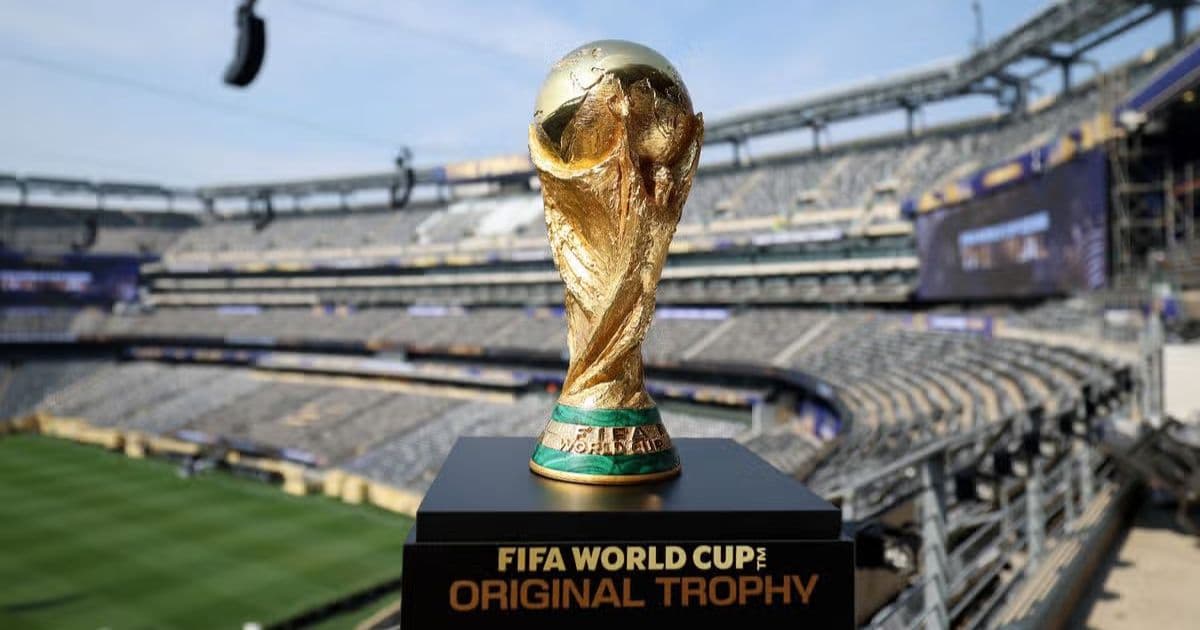
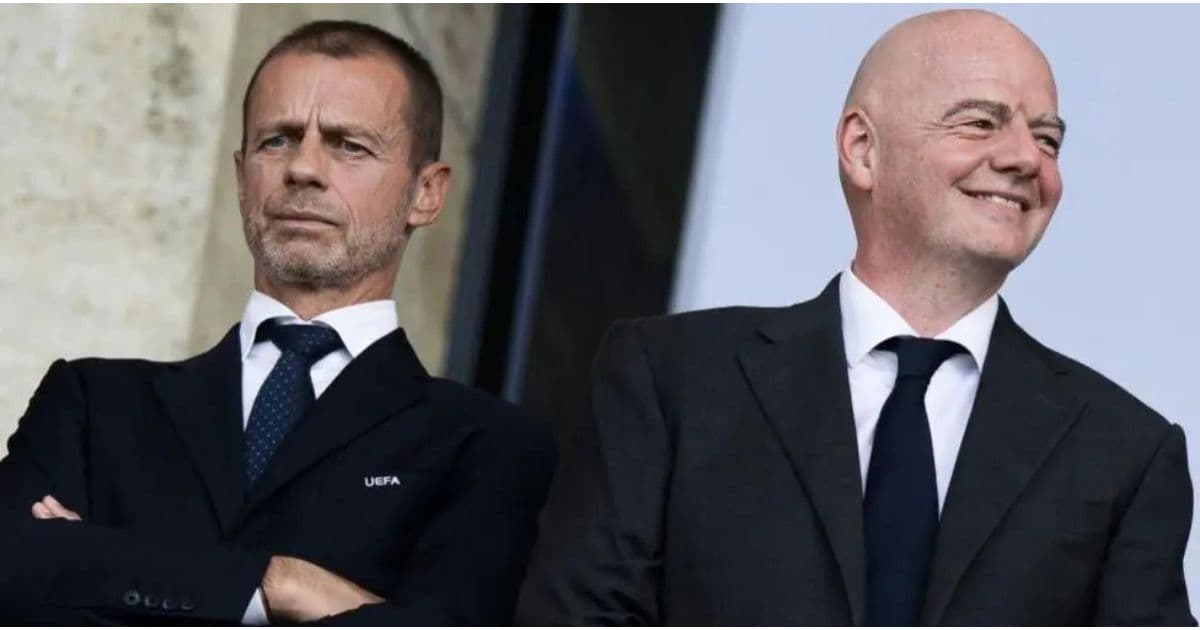
Gianni Infantino received the full support of FIFA’s senior leadership this week. UEFA, however, says the dispute remains unresolved. UEFA’s 55 member associations have maintained their threat to boycott FIFA competitions, with the first affected tournaments scheduled from September 2026.
The European body says its position will change only if FIFA fully withdraws its plans to sell stakes in its major competitions and provides assurances that similar proposals will not return. It also says it has lost confidence in Infantino’s leadership.
Why UEFA Still Refuses to Back Down After Rabat Talks
UEFA set out two conditions for ending its boycott threat in July: FIFA had to withdraw the plan to sell stakes in its major competitions and guarantee that similar proposals would not be made again. FIFA has since abandoned the sell-off plan.
But UEFA says it has not received the assurances it requested. That is why the boycott threat remains in place. FIFA’s senior leadership met in Rabat this week to address fallout from Gianni Infantino’s abandoned plan to sell private stakes in the World Cup and other competitions.
After the meeting, FIFA said its officials had reaffirmed their “full support” for the president and warned that it would no longer tolerate attacks on the organisation’s integrity.
UEFA, however, rejected the show of unity. In a statement reported by Sky Sports, the European football body said the Rabat meeting changes nothing; the proposals "had to be withdrawn", and the second condition, guarantees against repeat attempts, simply "have not been met."
FIFPRO also criticised FIFA’s handling of the proposal, describing it as a “profound abuse of presidential power.” The players’ union said the plan had been developed behind closed doors and had damaged footballers’ confidence in FIFA.
Even CONMEBOL, usually one of Infantino's more consistent allies, criticised the way decisions were pushed through without proper dialogue.
Which FIFA Tournaments Are at Risk of a UEFA Boycott
UEFA’s threat of a boycott could affect five FIFA tournaments between September 2026 and July 2027. None has been cancelled, but all could lose European teams if the dispute with FIFA continues. The first tournament at risk is:
- The FIFA Under-20 Women’s World Cup in Poland, which begins on 5 September
- It will be followed by the Under-17 Women’s World Cup in Morocco
- The Under-17 World Cup in Qatar
- The Women’s Champions Cup in Miami
- And the 2027 Women’s World Cup in Brazil
Four of the five tournaments threatened by the boycott are women's or youth competitions. If the standoff continues, those tournaments could be the first to feel the effects, even though they carry less commercial and political weight within FIFA.
How a Boycott Could Impact Youth and Women’s Football
It would hit them first and hardest, before any senior men's teamis affected. The FIFA Under-20 Women's World Cup in Poland is due to begin on 5 September, making it the first tournament directly affected if the standoff continues.
A boycott intended to pressure Infantino could instead have its biggest impact on players and teams with little say in the dispute. England, France, Italy, Portugal and hosts Poland are among them.
Most of those squads are teenagers who have waited their entire careers for a World Cup shot, and now their participation is caught up in a dispute between UEFA and FIFA over Infantino’s leadership and the abandoned investment plan.
Chelsea and England defender Lucy Bronze has backed UEFA’s position, saying a boycott could be justified if it protects the future of the sport. Speaking on Chelsea’s pre-season tour of New Zealand, she said the decision should be viewed beyond the immediate impact on current players.
“It’s for all the little girls or little boys who come after us,” Bronze said. “It’s for the future of the game and not just for me today and tomorrow.”
Her club-mates in the England squad are reportedly still preparing for Poland as normal, according to The Times' Henry Winter, even as the political ground shifts under them daily.
Can Infantino Survive The Split Inside FIFA?
FIFA's senior leadership appears less united than Wednesday's statement suggested. The Guardian reported that Arsene Wenger, FIFA's chief of global development, skipped the Rabat meeting entirely. Wenger once called the World Cup sell-off plan necessary.
Jordan's FA president, Prince Ali bin al-Hussein, has kept his opposition firm too, despite FIFA quietly settling bonus payments owed to his federation from last December's Arab Cup. Not every confederation opposes Infantino.
CAF threw its unanimous support behind him on Thursday, choosing to frame the row as one for governance and transparency.