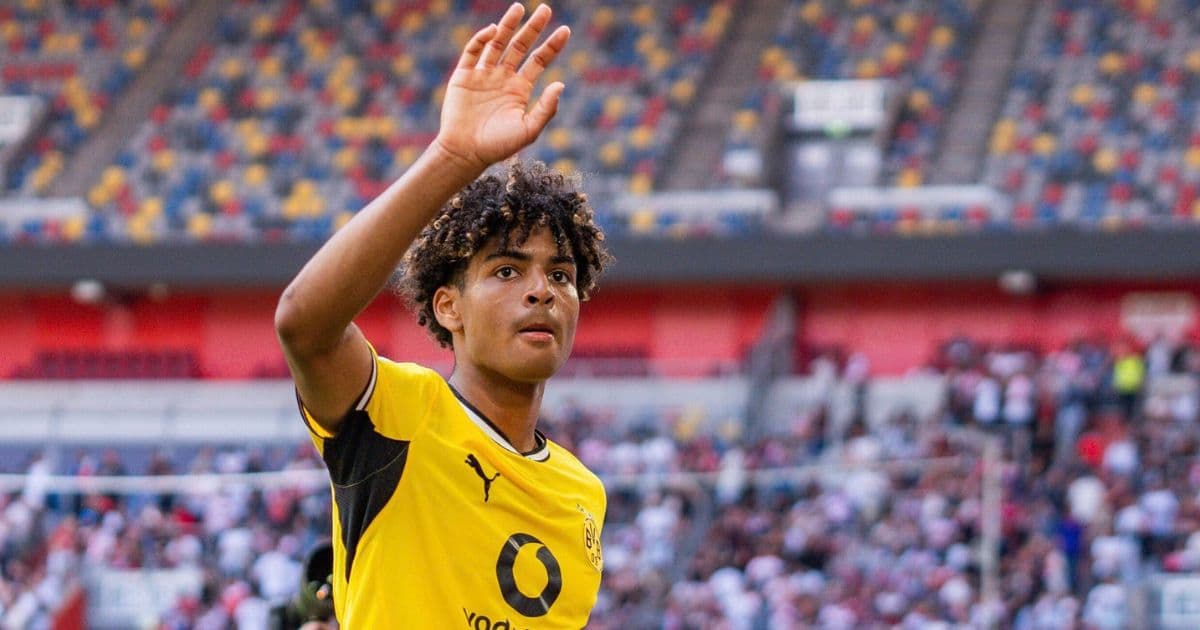
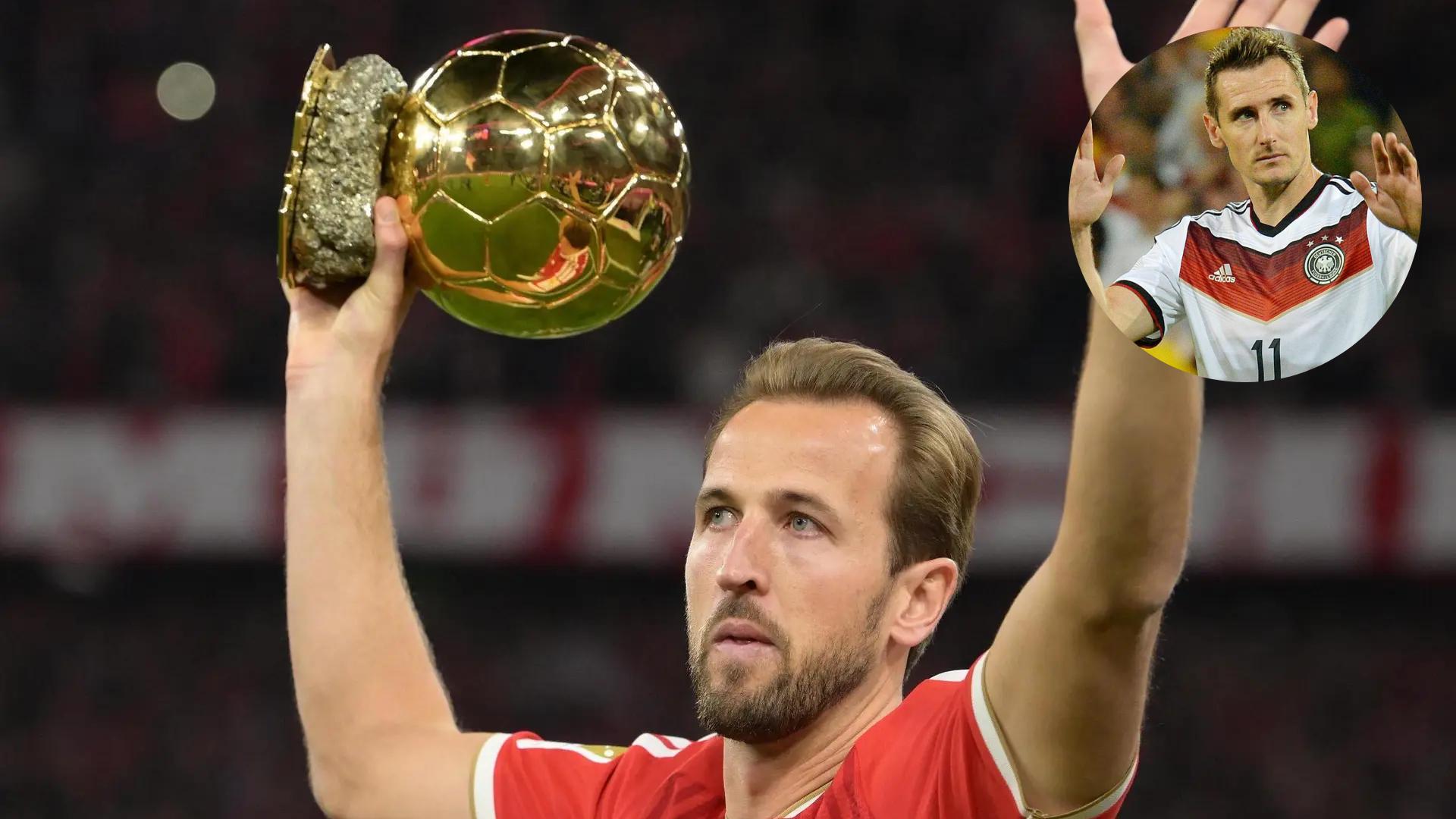
When Miroslav Klose speaks about the art of goalscoring, the footballing world listens.
Germany’s all-time leading international goalscorer and a key architect of their 2014 World Cup triumph, Klose built a career spanning over 300 goals by mastering box intelligence.
Out of those 300-plus strikes across Kaiserslautern, Werder Bremen, Bayern Munich, and Lazio, Klose estimates that all but two were finished inside the 18-yard box.
Now head coach of 1. FC Nurnberg, Klose uses Bayern Munich striker and recent Ballon d'Or winner Harry Kane as an example for his young forward group to lean on.
Here are five lessons young strikers can take from Klose's advice and Kane's development.
Why strikers must always look to occupy the penalty box
The modern game has often asked centre-forwards to drop into midfield, create overloads and draw defenders out of position. Klose believes, however, that teams still need a striker whose primary responsibility is to score goals.
"For me, the most important thing is that you need someone who is there to score goals. You need someone in the box because that's where you're closest to the goal," Klose said in an interview with the BBC.
Kane offers an example of this balance. He can drop deep to help build attacks, but his movement and positioning also allow him to remain a threat in the penalty area.
How repetition helps strikers develop instinctive movement
Effective movement on matchday is often the result of repeated work on the training pitch. Klose believes that strikers and their teammates must develop automatic patterns of movement through regular practice.
Executing the Final Ball: Repeatedly practising crosses, cutbacks and other final-third combinations helps attacking players understand each other's movements and anticipate where the final ball will arrive.
Teammate Awareness: Understanding teammates' strengths and preferred movements helps a striker anticipate passes and make better decisions inside the penalty area.
Why strikers must study goalkeepers and their positioning
Klose's preparation as a player included studying opponents' movement and analysing how goalkeepers positioned themselves when facing different types of shots.
Do they position their hands high or low? Do they try to make themselves bigger early, or stay on their feet to react?
For young strikers, the lesson is to study goalkeepers before and during matches, looking for clues in their positioning, body shape and reactions.
Why young strikers must keep working to improve
Klose warns young players against becoming complacent or believing that talent alone will guarantee success.
"If you understand that you train to become better, then in five years' time you'll naturally be a different player,” Klose continued to the BBC.
"But if you think everything will happen automatically just because 10 people around you tell you that you're a fantastic player, I don't think you'll continue to develop."
Klose's own route to the top was not straightforward, having progressed from Germany's lower leagues before establishing himself in the Bundesliga. Kane also needed time and experience before becoming one of the world's leading strikers. Kane’s ascension into a global powerhouse required constant technical refinement season after season.
Kane gained experience through loan spells at Leyton Orient, Millwall, Norwich City and Leicester City before establishing himself in Tottenham's first team under Mauricio Pochettino during the 2014-15 season.
How strikers can exploit the space created by their teammates
Klose believes Kane benefits from playing alongside dangerous wide players such as Michael Olise, whose ability to attract multiple defenders can create more space for the striker.
When wide players attract extra defensive attention, strikers must recognise the spaces that open up elsewhere and adjust their positioning accordingly.
Understanding how teammates move and how opposition defenders react can help strikers find better positions to receive the ball and finish chances.
Key lessons young strikers can take from Harry Kane
Prioritise positioning: Stay alert to opportunities to occupy the penalty area and give teammates a target, rather than dropping deep simply to get more touches.
Build instinct through repetition: Practise crosses, cutbacks and attacking combinations regularly so that movement and decision-making become more natural during matches.
Focus on long-term improvement: Treat every training session as an opportunity to improve, and do not let praise or setbacks distract you from your development.