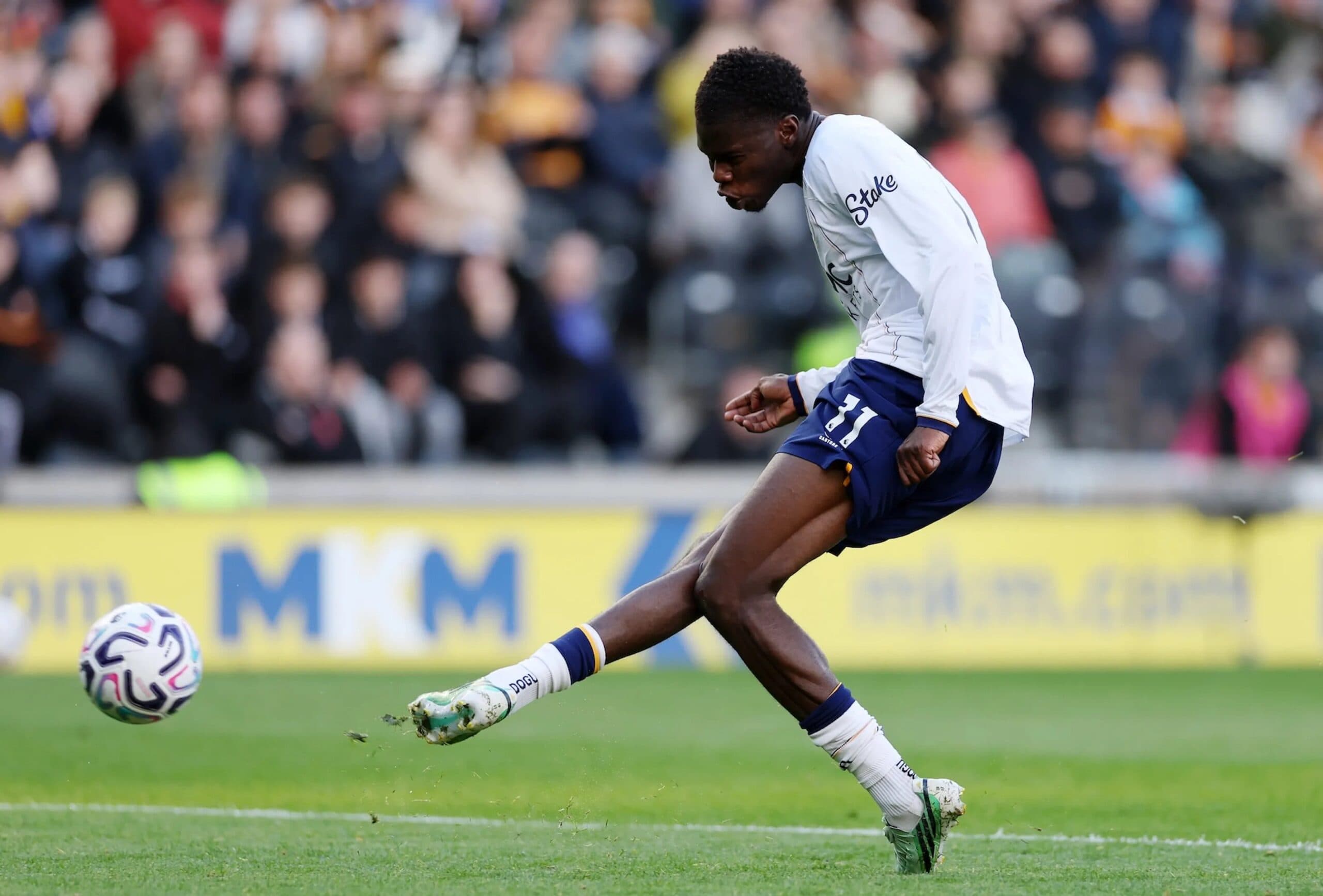

Japan goalkeeper Zion Suzuki might perhaps be the closest equivalent to a post-Ederson modern goalkeeper the Premier League has witnessed since the Brazilian's departure.
During his unveiling as an Aston Villa player following a stellar 2026 World Cup for Japan after snubbing PSG, Unai Emery waxed lyrical of the custodian’s qualities and why he was the best fit to replace Chelsea-bound Emi Martinez.
"We signed Zion Suzuki first because he’s a fantastic goalkeeper saving in his goal and second because he has qualities to play in build-up like we want," Aston Villa manager Unai Emery explained following a thrilling 3-2 victory over Tottenham Hotspur.
"He can play short and he has a very long ball to try to threaten when the opponents are coming to us in a high press, man-to-man. This is the evolution in football."
Suzuki’s early period at Villa Park has naturally delivered mixed moments: he produced game-defining saves against Spurs, yet he will certainly want to erase the memory of Brentford’s late near-post equaliser from Kristoffer Ajer.
However, what has become unmistakably clear about the 24-year-old Japan international is the extraordinary precision, ambidexterity, and technical breadth of his distribution.
Although he might not have the stature or bonafide ability of Ederson, who helped City win six Premier League titles in nine seasons in Manchester, Suzuki might be the closest reincarnation of all current Premier League goalkeepers.
Baiting the Press: How Zion Suzuki Executes Emery’s Build-Up Plan
Unai Emery specifically instructs his backline and goalkeeper to "bait" the opposition's high press—deliberately drawing man-to-man pressure forward before punishing them with rapid, vertical ball progression.
During his second Premier League start against Hull City, Suzuki showcased this exact composure. Placing his foot calmly on the ball, he invited pressure from forward Oli McBurnie, whose curved run blocked simple passes to Tyrone Mings.
Unfazed by the oncoming pressure, Suzuki drilled an exquisite line-breaking pass straight through the heart of Hull’s shape into the feet of Nicolas Jackson.
Jackson has repeatedly served as the primary relief valve for Suzuki's distribution: Against Brentford, when the Bees locked on man-for-man and choked short passing lanes, Suzuki effortlessly clipped a mid-range ball onto Jackson's chest to kickstart a quick transition.
Just 20 minutes later against Brentford, Suzuki picked out the Senegalese forward using his weaker left foot, proving he can escape high-intensity pressure on either side of the pitch.
In the 3-2 win at Spurs, Suzuki launched a direct long pass into Jackson, who isolated Jan Paul van Hecke, laid the ball off to Johan Manzambi, and finished off a lightning counter-attack.
The Long Ball Returns: Zion Suzuki’s Direct Route Through the Press
Ederson’s intricate passing style previously inspired a league-wide drop in long goal kicks, with managers obsessing over short buildup from the back.
However, as opposition high-pressing schemes have become increasingly coordinated and suffocating, long-range distribution is undergoing a tactical renaissance.
Through his initial Villa appearances, Suzuki has already completed 10 long passes to Jackson (defined by Opta as traveling over 32 meters) alongside finding the physical John McGinn five times from deep. Both players excel at making the ball stick under pressure, granting Villa an elite escape route whenever tight short buildup becomes overly hazardous.
Having developed through Sint-Truiden in Belgium and spent two seasons in Serie A with Parma, Suzuki remains relatively young in high-level European goalkeeper terms. Teething errors will happen.
Yet, as Premier League clubs push pressing structures to absolute extremes, Suzuki's sledgehammer kicking and ambidextrous vision place him directly at the forefront of modern goalkeeping's next tactical iteration.
What Young Goalkeepers Can Learn from Zion Suzuki’s Distribution
Two-Footed Calm Under Harassment: Suzuki refuses to panic or blindly clear possession under pressure. Aspiring goalkeepers must practice receiving and distributing with both feet to neutralise high presses.
Baiting to Create Space: Rather than passing immediately, modern goalkeepers use controlled pauses on the ball to entice opponents forward, opening up space for central passes.
Mastering Hybrid Range: Elite modern distribution requires more than short ground passes; combining short-passing bravery with 30-meter laser-guided long balls makes a goalkeeper virtually un-pressable.