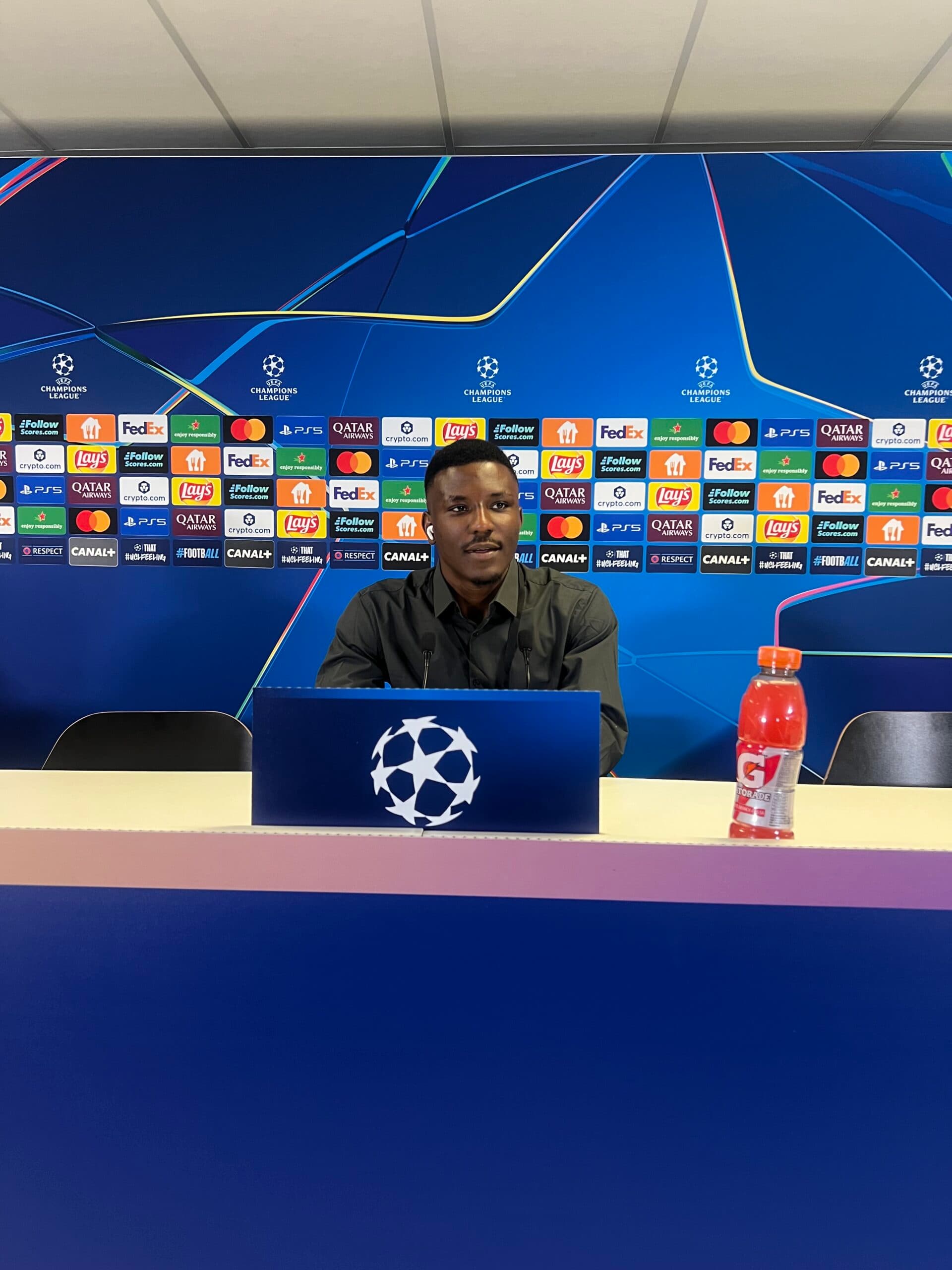
Royal Spanish Football Federation (RFEF) has staked out its clearest position yet on where the 2030 World Cup final should be played, with RFEF president Rafael Louzan quoting that the match "has to be at Camp Nou or at the Bernabeu."
FIFA has not confirmed a host stadium for the tournament's showpiece fixture, but Louzan's remarks amount to Spain's clearest public backing yet for a final at either the Spotify Camp Nou or the Bernabeu, arriving as Barcelona steps up its campaign to bring the match to its rebuilt home.
The comments carry weight beyond one federation president's preference. Spain, Portugal, and Morocco are jointly staging the 2030 World Cup, and the choice of final venue touches construction timelines, stadium capacity rules, and competing claims to national pride across three countries.
Morocco has not stayed quiet either, promoting its still-unfinished Casablanca project as a rival venue, with its greater capacity strengthening the country's case for hosting the final.
Louzan laid out his reasoning in comments published by Mundo Deportivo on Saturday, explaining why he believes Spain should host the final and why, in his view, Camp Nou edges the Bernabeu as the venue.
Why Louzan Believes Spain Should Host the 2030 World Cup Final
The RFEF chief argued Spain's role in launching the joint bid gives it a strong claim on the final. "It would not be understood if Spain were not the venue for the World Cup final," Louzan said, noting the tournament "was born in Spain, between Spain and Portugal, and Morocco joined later."
He went further on Spain's standing among the three co-hosts, telling Mundo Deportivo that Spain carries "55 percent of the organizational weight" for the tournament, while acknowledging that FIFA alone will decide where the final is played.
Turning to the two Spanish contenders, Louzan avoided naming an outright favourite between them, calling Real Madrid's stadium spectacular while arguing that Barcelona's rebuilt Spotify Camp Nou would have the edge once completed.
He pointed to capacity as Camp Nou's biggest advantage, saying the rebuilt stadium would hold around 25,000 more spectators once construction is complete, describing that gap as "an important detail" rather than a minor one.
Independent redevelopment figures broadly support that claim. Barca's rebuilt Camp Nou is projected to hold around 105,000 spectators, compared with roughly 78,000 at the renovated Bernabeu.
That difference matters because FIFA requires World Cup final venues to have a minimum capacity of 80,000 spectators. Camp Nou would clear that threshold comfortably, while the Bernabeu sits much closer to the requirement.
Morocco's own candidate, the still-under-construction Grand Stade Hassan II in Casablanca, is planned for around 115,000 seats, giving Rabat's bid a capacity argument neither Spanish stadium can match on paper.
Why Camp Nou Is Barcelona's Strongest Bid for the Final
Club president Joan Laporta has already described Camp Nou as the "ideal stage" for the 2030 final, aligning Barcelona's leadership with Louzan's stance before FIFA makes its decision. For the club, landing the final would carry meaning well beyond one match.
It would mark the culmination of the Espai Barca redevelopment, which forced Barcelona to play away from Camp Nou for the better part of three seasons.
Construction forced Barcelona to play at the Estadi Olímpic Lluis Companys (Montjuic) throughout the 2023-24 and 2024-25 seasons before a partial return to Camp Nou in November 2025, with full completion of the redevelopment targeted for 2027.
Barcelona's city government has also mounted its own campaign. Mayor Jaume Collboni confirmed the city had formally submitted a bid to both FIFA and the RFEF, separate from the club's own efforts.
Loas Blancos has hardly been absent from the conversation either, with Spanish media reporting for more than a year that the Bernabeu remains the frontrunner, even as Louzan stopped short of backing either stadium outright.
Before any city rivalry can be settled, Spain and Portugal must first overcome Morocco's bid to host the final, a separate contest layered atop the domestic one. FIFA typically confirms the World Cup final venue around two years before kickoff, meaning this battle between the competing stadiums is likely to continue well before the tournament begins.