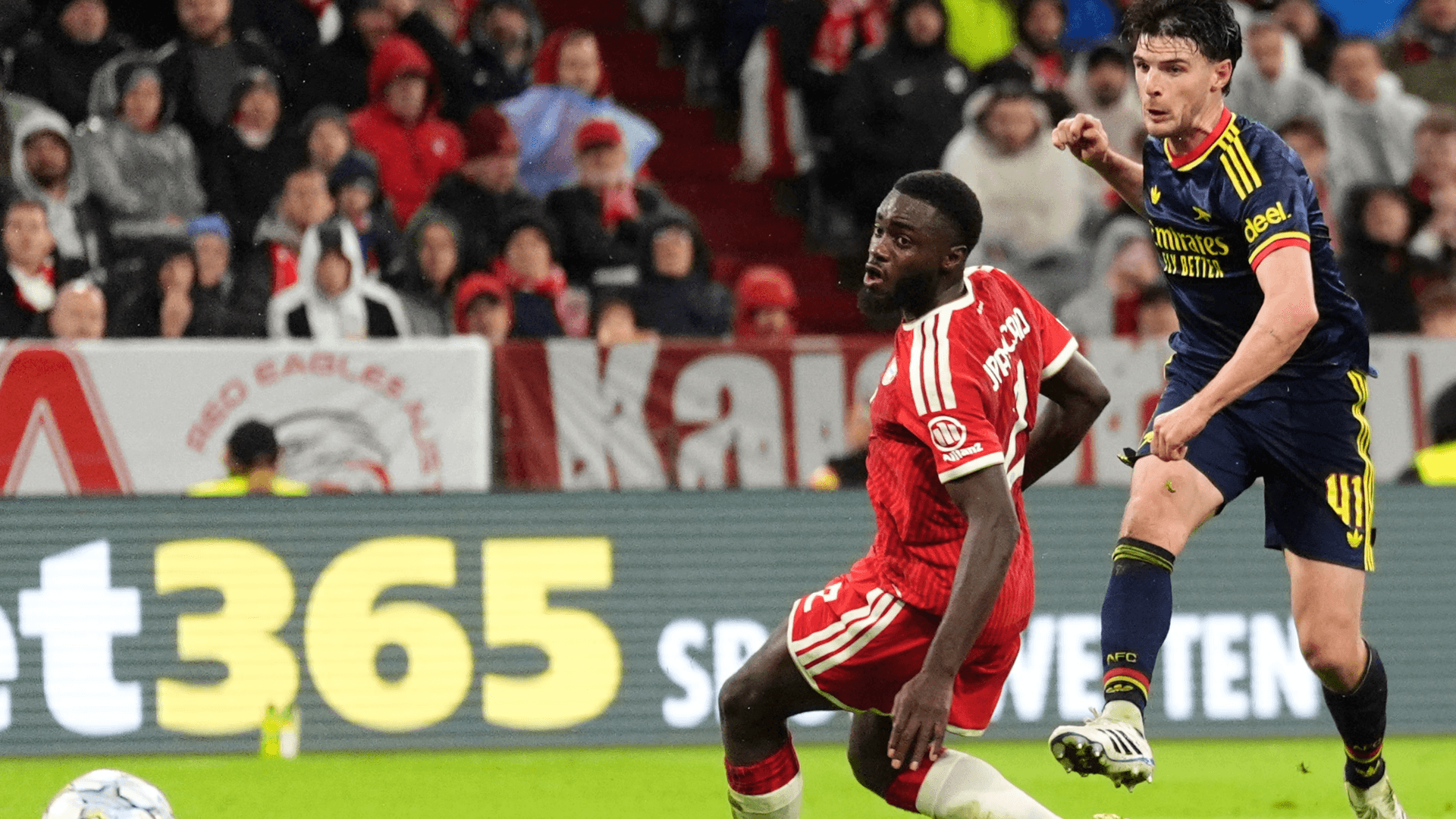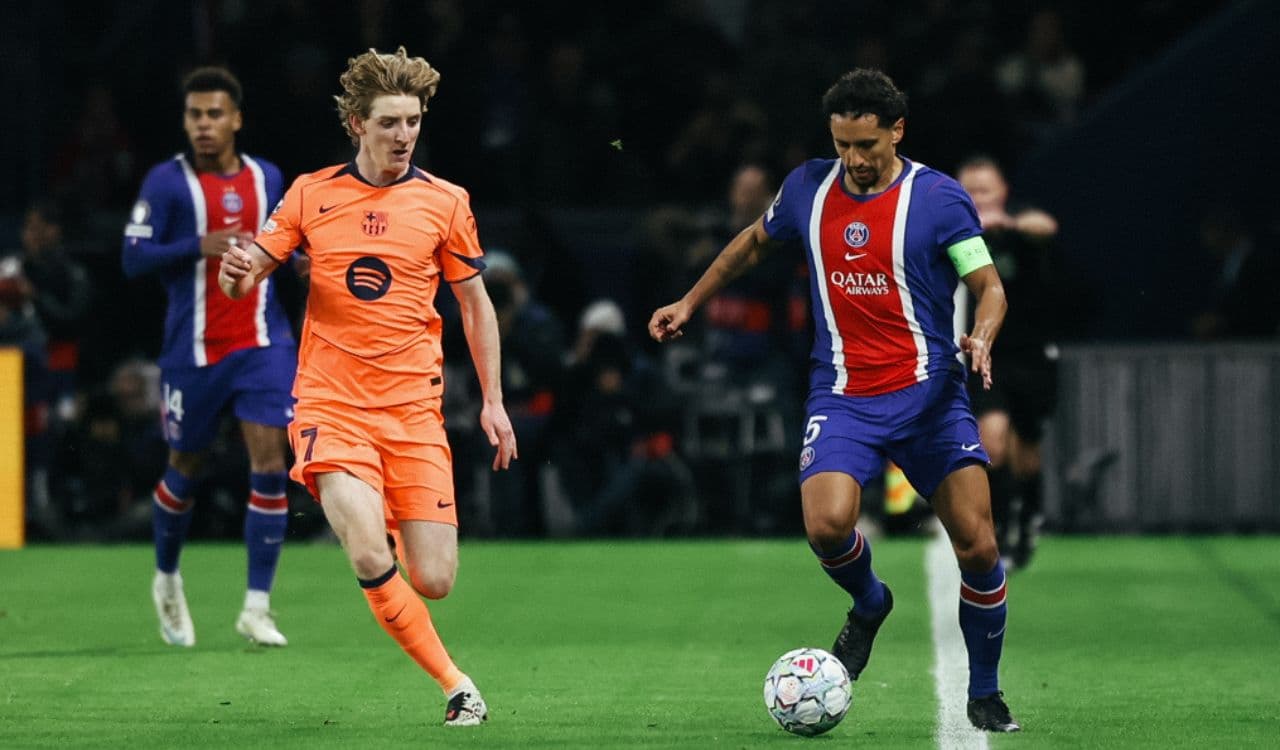
The Champions League anthem has become almost as iconic as the competition itself, but a refreshed version has left some fans longing for the sound of European nights gone by.
There are certain sounds that immediately mean football.
The roar of a crowd. The whistle before kick-off. The noise of a stadium when a goal goes in.
And then there is the Champions League anthem.
For more than three decades, those opening notes have signalled that Europe's biggest clubs are about to meet on the biggest stage.
But when UEFA recently shared its updated version of the anthem ahead of the 2026/27 Champions League campaign, the reaction from some supporters was less about excitement and more about nostalgia.
The message was simple: bring back the old version.
How the Champions League Anthem Became a Football Tradition
The Champions League anthem dates back to 1992, when the European Cup was rebranded as the UEFA Champions League.
British composer Tony Britten was commissioned to create the music, taking inspiration from George Frideric Handel's Zadok the Priest.
The result was something that sounded less like a conventional sports theme and more like a ceremony.
That was exactly what made it so memorable.
Performed by the Royal Philharmonic Orchestra and the Academy of St Martin in the Fields Chorus, the original recording quickly became synonymous with European football. UEFA itself has described the anthem as being almost as iconic as the trophy.
It has since been played before Champions League matches around the world, becoming part of the ritual of European nights.
For supporters, hearing it often meant one thing: the biggest games were about to begin.
What Changed in the Champions League Anthem?
The anthem itself did not disappear.
Instead, UEFA introduced a refined re-recording as part of a wider Champions League brand refresh in 2024.
Britten returned to the piece, enhancing the orchestration and re-recording it with a new orchestra and the internationally renowned Tenebrae choir.
UEFA described the change as a way of giving the competition a more modern identity while retaining its most recognisable elements.
On paper, it was a relatively subtle change.
For some fans, however, it made a noticeable difference.
The newer recording has a different balance and feel, with supporters arguing that the original possessed a greater sense of drama and anticipation.
And that is where football nostalgia comes in.
Why Fans Still Feel So Strongly About the Anthem
It might seem strange that a slightly different recording of the same piece could cause such a reaction.
But football is built around rituals.
The walkout. The floodlights. The stadium announcer. The matchday programme. The shirt. The music.
Change one part of that routine and supporters notice.
The Champions League anthem is particularly powerful because it has been attached to so many defining football memories.
For one generation, it might bring back memories of watching Manchester United, Arsenal or Liverpool on European nights.
For another, it might mean Real Madrid's dominance, Barcelona's greatest sides or iconic Champions League finals.
The music becomes attached to the memories.
That makes it difficult to modernise without changing how those memories feel.
Read More: UEFA Champions League Draw 2026-27: Who Has the Easiest and Toughest League Phase?
StriverOfficial account
Do changes in football ever work?
Why Fans Prefer the Original Champions League Anthem
Part of the criticism surrounding the newer recording is that the original felt bigger.
The combination of the orchestra and choir gave it a dramatic, almost theatrical quality.
It was grand without needing to be complicated.
And perhaps most importantly, it sounded like the Champions League.
That familiarity is incredibly valuable in sport.
When the opening notes played, supporters knew exactly where they were and what was coming next.
Some fans now feel that the updated recording has lost a little of that atmosphere.
One recent social media post comparing the newer recording with the 2012 version attracted thousands of likes, while other supporters called for UEFA to restore the previous performance.
The criticism centred largely on the newer version feeling less powerful and dramatic than the recording many fans had grown up with.
The Challenge of Modernising a Football Tradition
Probably not.
The Champions League itself has changed considerably since the original anthem was introduced.
The competition has expanded, the format has changed and UEFA has increasingly modernised its branding and presentation.
The latest brand identity was explicitly designed to create a younger, more modern expression of the competition while continuing to appeal to established supporters.
That creates a difficult balancing act.
UEFA wants the Champions League to feel fresh and relevant to a new generation, but the competition's greatest strength is arguably its history.
The anthem sits right in the middle of that debate.
It is old enough to feel timeless, but familiar enough that even the smallest change can be noticed.
Why Football Nostalgia Still Matters
There is an argument that football should evolve.
Of course it should.
New players arrive, tactics change, competitions develop and clubs constantly look towards the future.
But not everything needs improving.
Sometimes the things that make football special are the things that have been there for decades.
The Champions League anthem is one of them.
It does not need to be louder, faster or more modern.
It simply needs to play, and for millions of supporters, that familiar sound is enough to make a European night feel like a European night.
Maybe that is why the calls to bring back the original version have been so loud.
Because when it comes to football, nostalgia is sometimes part of the magic.