Harry Kane’s staggering consistency, highlighted by a double in a record-shattering 7-0 rout of Croatia that pushed his international tally to 89 goals, makes England’s looming striker succession plan look increasingly complicated.
With Kane marching toward his mid-30s, the Three Lions cannot rely indefinitely on a player who has defined their attacking identity for a decade.
But as Thomas Tuchel searches for a post-Kane blueprint and looks past traditional target men like Ivan Toney, Ollie Watkins, or developing profiles like Liam Delap, England’s tactical evolution points toward an identity built on verticality, midfield runners, and chaos.
With reference to reporting by The Athletic, Here are five ways England can score goals and sustain their ruthless attacking edge when life after Harry Kane finally arrives.
1. Use Jude Bellingham as an Advanced Nine
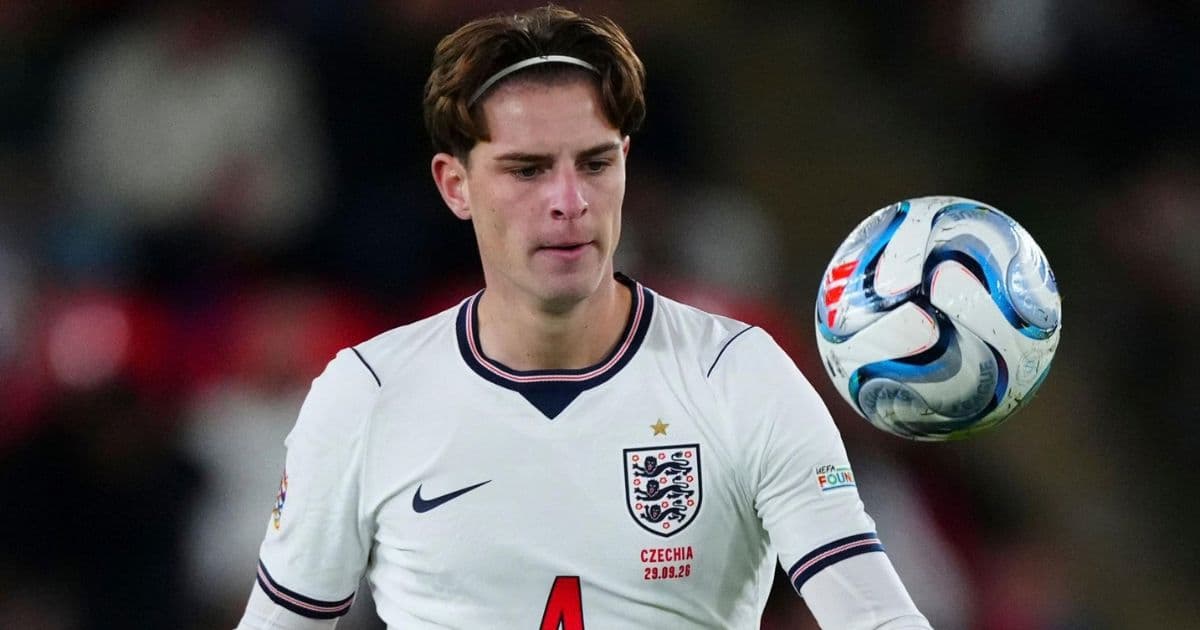
When Kane was withdrawn in the 71st minute of England's win over the Czech Republic, Tuchel shifted Jude Bellingham into the central striker role. It proved to be a tactical lightbulb moment.
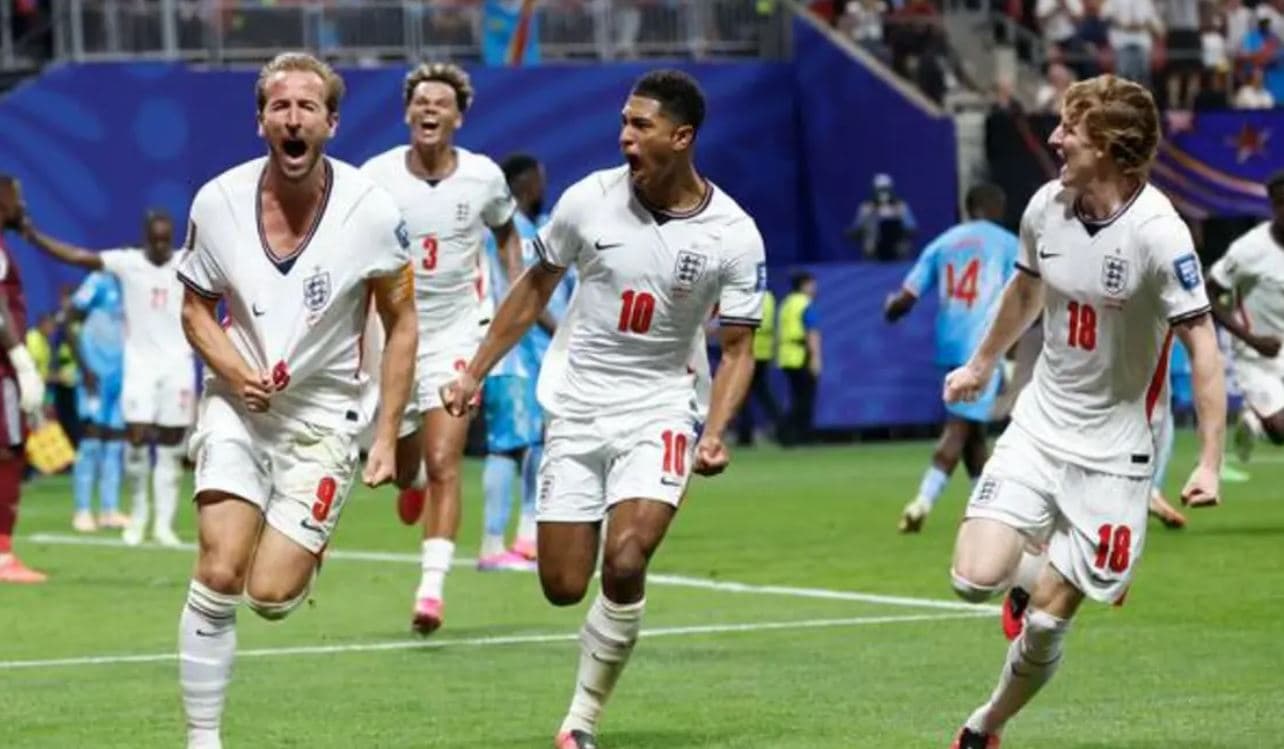
His ability to run the channels during that period was a handful for the opponents, remniscient of the run he made in the build up to Harry Kane's winning goal against DR Congo in the World Cup Round of 32.

Bellingham bagged seven goals at the World Cup—the third-most in the tournament behind Kylian Mbappe and Lionel Messi, and the best-ever return by an Englishman at a major finals.
By operating higher up the pitch, Bellingham can attack the channels and arrive in the box without requiring England to use a conventional target man. His elite timing and natural knack for late runs into the box make him an unpredictable focal point who creates verticality naturally.
2. Use Anthony Gordon’s Runs to Attack the Back Post
Because Kane frequently drops deep to break lines, England’s wingers are forced to become primary penalty-box threats. Enter Anthony Gordon.
Gordon has thrived under this tactical demand, scoring in three consecutive international matches. Whether it's crashing the back post to meet deep crosses from overlapping full-backs like Jarrell Quansah against Croatia, or hiding behind full-backs for tap-ins reminiscent of his under-21 Euros success under Lee Carsley, Gordon provides the direct, wide-striker profile that mirrors how France and Spain adapted wingers like Ousmane Dembele and Ferran Torres into central scoring threats.
3. Keep Using England’s Strength From Wide Areas
While modern European trends lean heavily toward intricate, possession-heavy central control, Tuchel can use England’s strengths from wide areas rather than abandoning them in search of a completely different attacking model.
Over the past four major tournaments, England rank as the undisputed top side for completed crosses, goals from crosses, and headed goals.
Even without a traditional target man like Kane, maintaining high-volume wide deliveries allows athletic midfielders and arriving wingers to swarm the penalty area, utilising sheer box presence to overwhelm defensive blocks.
Read More: England’s Next No.9: Who Replaces Harry Kane?
Read More: How Jude Bellingham Can Become One of Football’s Greatest Players After Roy Keane’s Prediction
4. Attack Quickly After Winning the Ball
This England side is at its most devastating when they defend by attacking. Rather than grinding opponents down with sterile possession, Tuchel’s team thrives on chaotic, high-tempo bursts such as scoring twice in two minutes against Mexico at the World Cup, or putting four past France and Croatia in rapid first-half surges.
Without Kane pinning centre-backs, a fluid front line featuring Bellingham, Gordon, and Saka can press high, transition at blistering speeds, and exploit disorganised defenses through sheer athletic dynamism.
5. Build a Fluid Front Three Without a Fixed Nine
If England cannot find a direct physical clone of Kane, and as Tuchel noted, his eventual successor will not be a copy, the tactical solution lies in positional rotation.
By pairing Bellingham’s surging central runs with interchangeable wide forwards who rotate inside (such as Phil Foden or Cole Palmer operating alongside dynamic runners), England can deploy a fluid, positionless attack.
It forces opposition defenders into marking nightmares, ensuring that goals come from waves of midfielders rather than a single stationary focal point.