A footballer can score the winning goal, represent their country at a World Cup, and still spend the evening reading messages that question their humanity. The applause is public. The abuse often is too.
Social media has become part of modern football. Players use it to connect with supporters, build their profiles and share moments from their careers.
But the same platforms also expose them to racist, sexist, homophobic and threatening messages, sometimes within seconds of a missed chance, a red card or a tournament exit.
Despite repeated campaigns and public statements from football authorities, online abuse remains a problem across the game. Players continue to face it, and the response from clubs, governing bodies and social media companies is still under scrutiny.
England’s World Cup Players Reveal the Scale of Online Racism
During the 2026 World Cup, campaign group Hope Not Hate analysed more than 300,000 posts on X relating to England players. It identified more than 5,500 explicitly racist posts targeting members of the squad.
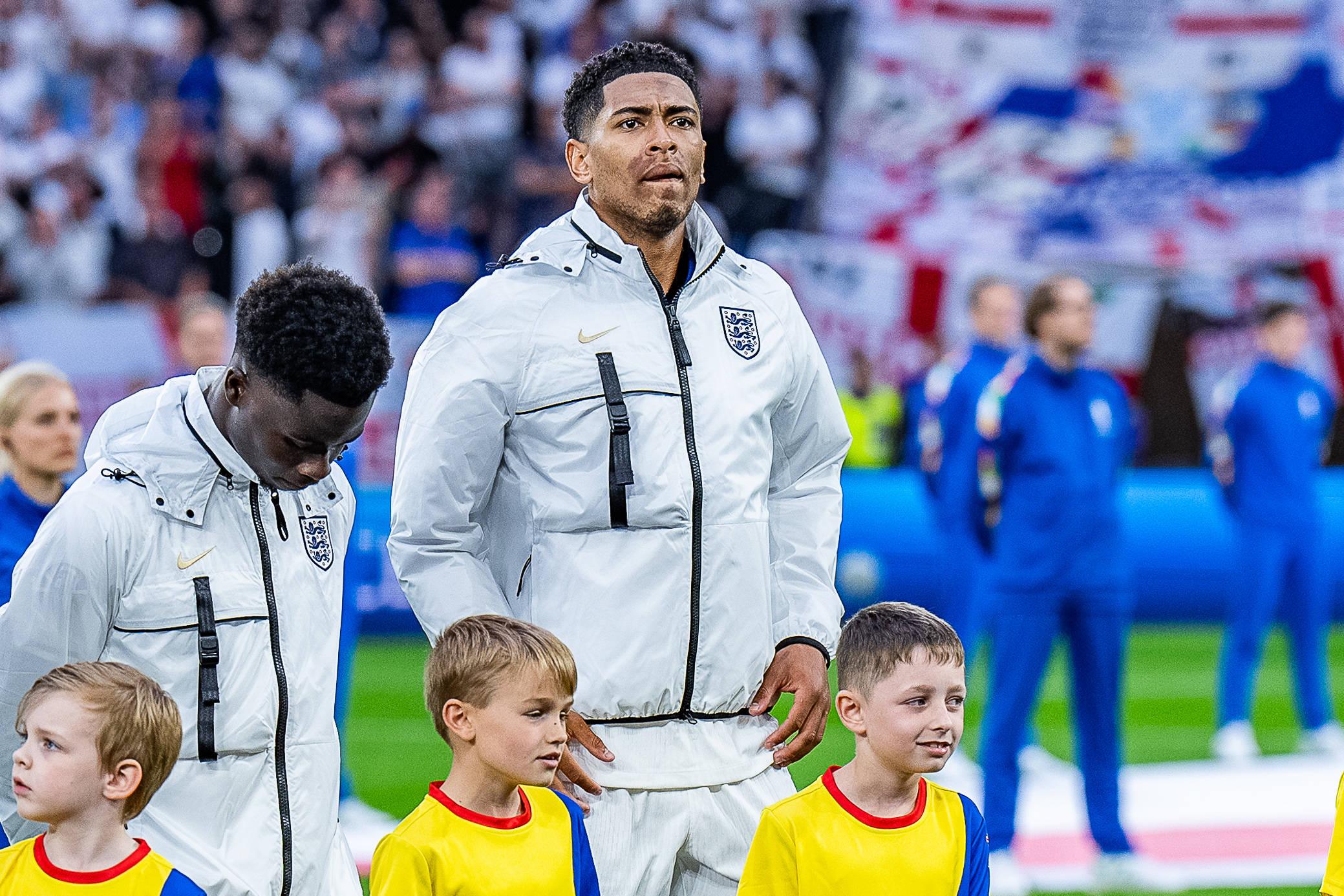
The research found that Jude Bellingham received the highest overall volume of racist abuse, while Bukayo Saka and Kobbie Mainoo experienced the highest proportion of racist posts relative to the total number of posts mentioning them.
Djed Spence was also subjected to a distinct stream of anti-Muslim abuse. Hope Not Hate argued that X’s recommendation system helped amplify toxic material because posts designed to provoke anger often generate more engagement.
The group said abusive posts appeared in users' recommendation feeds rather than staying in obscure corners of the platform. The findings also showed how racism and anti-Muslim abuse can target players differently, regardless of their position or status in the squad.
Jess Carter’s Experience Shows How Online Abuse Affects Everyday Life
For England defender Jess Carter, online abuse during Euro 2025 affected how safe she felt away from the pitch.
Carter told BBC Sport that she was reluctant to leave her hotel room because she feared encountering people who had sent her racist messages. She said the abuse “completely undermines your dignity as a human being”.
“I was hesitant to leave the hotel, worried that those who were making those comments might be in Switzerland with us,” Carter said. “It was a frightening time.”
The abuse also led to a criminal case. Nigel Dewale admitted sending offensive posts to Carter’s TikTok account during the tournament, including a racial slur and inflammatory claims about people with brown skin.
Carter said the experience affected her confidence on the field.
“It’s probably the first time in my life that my confidence has significantly taken a hit,” she said. “I usually have a strong sense of confidence in everything I do, but this was the first instance where I felt a lack of it on the field.”
Online Hate Reaches Far Beyond Football’s Biggest Names
Football’s online-hate problem is not limited to elite male players.
Fair Game’s Online Harms in Football report, supported by the All-Party Parliamentary Group for Football, described online abuse as a systemic safeguarding issue affecting players, referees, coaches, journalists, volunteers, club staff and supporters.
The report found that 83% of respondents said online abuse had negatively affected their wellbeing. It also found that female players were 29% more likely to receive online abuse than male players.
The research further showed how concentrated the abuse can be. Half of all abusive tweets sent to Premier League players during the 2021-22 season were directed at just 12 individuals.
Fair Game's report called for football to treat online spaces with the same seriousness as physical grounds. While stadiums have stewards, security teams, and procedures for dealing with abusive behaviour, similar protections are not consistently available online.
Brian Brobbey’s Case Highlights the Pressure on Clubs to Act
Sunderland's response to racist abuse directed at Brian Brobbey showed how quickly an online incident can become a club-wide issue. Following a Premier League win over Tottenham, the club reported the abuse to the Premier League, social media platforms and police.
Sunderland also pointed to the recent targeting of Romaine Mundle and Lutsharel Geertruida, describing the incidents as part of a wider problem. The club said it expected “swift action” against those responsible.
“We stand firmly with Brian and offer him our full and unwavering support,” the club said. “This is not an isolated incident.”
The Premier League said it was “disgusted” by ongoing discrimination and would continue working with clubs, authorities, law enforcement and social media companies.
It warned that those found guilty of discrimination could face custodial sentences, football banning orders and criminal records. The incident came amid wider evidence of rising reports of online abuse.
Anti-discrimination group Kick It Out said reports had increased by a third compared with the previous season, while the UK Football Policing Unit reported an increase of about 115%.
Why Blocking Abusive Accounts Cannot Solve Football’s Wider Problem
Players can mute accounts, block users and report messages. Clubs can issue statements, platforms can suspend accounts and police can investigate serious cases. However, these measures often come into play after the abuse has already reached its target.
Hope Not Hate argued that platforms should prevent abusive posts from being widely recommended in the first place. It proposed downranking posts that attract large volumes of abuse, reducing the likelihood that they appear in other users' feeds.
The group also called on Ofcom to use its powers under the Online Safety Act more effectively, including designating major sporting events as “high risk”. This would require platforms to introduce stricter safety-by-design measures.
Remove abuse proactively and downrank rapidly escalating viral hate.
Ofcom said it was “pushing tech firms hard to make their services safer” and would hold them accountable if they failed to do so. It also pointed to its partnership with police and football bodies ahead of the World Cup.
What Clubs, Platforms and Authorities Must do to Protect Players
Fair Game's proposed STEP-UP framework calls for support, training, education, policy, unity and positive culture. It sets out a shared responsibility for tackling online abuse rather than leaving individual players to deal with it themselves.
Clubs need clearer reporting and escalation procedures, staff trained to preserve evidence, and welfare support for players affected by online abuse. Governing bodies should establish consistent standards across competitions.
Social media platforms need to explain their safety measures before major tournaments begin.
Carter also highlighted the differences between what police and social media platforms consider unacceptable.
“What I’ve learned is that the criteria for what police consider crossing the line differs from what some social media platforms view as unacceptable,” she said. “There needs to be better collaboration between law enforcement and social media companies to align their approaches.”