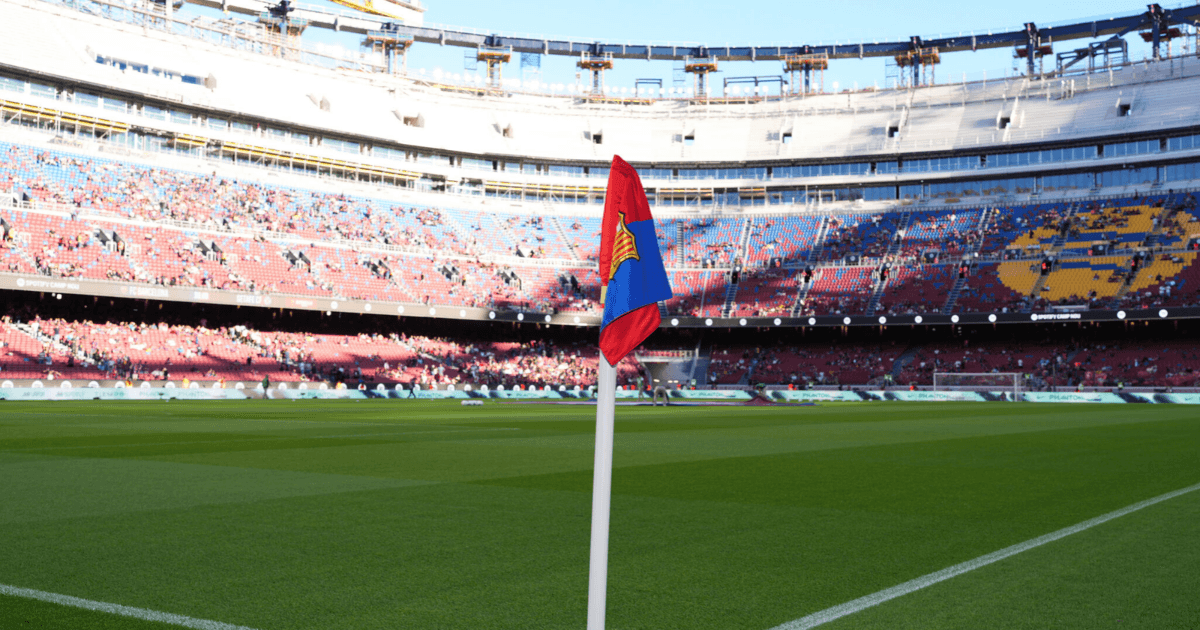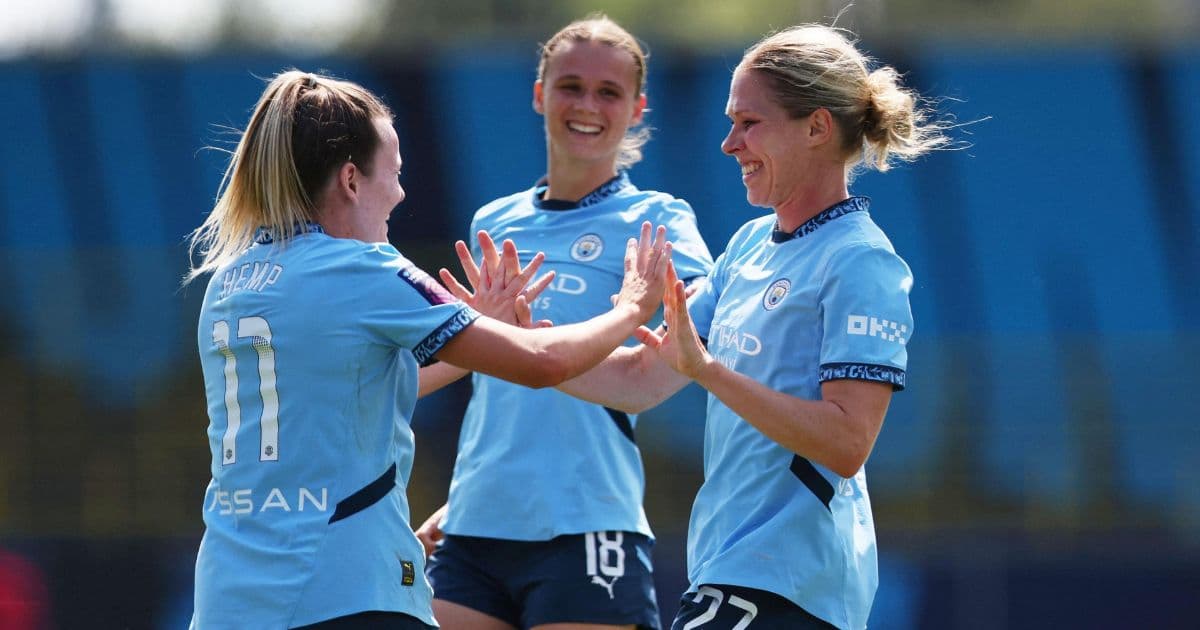
When Barcelona lifted the UEFA Women's Champions League trophy in Oslo last month, it marked more than the end of another European campaign.
The 2025-26 season represented the beginning of a new era for women's club football, with UEFA introducing major changes designed to make European competition more competitive, accessible and sustainable.
A New Look Champions League
The UEFA Women's Champions League entered a new format this season, bringing more variety to the competition and creating fresh matchups throughout the campaign.
Rather than seeing the same teams face each other repeatedly, supporters were treated to a wider range of fixtures. According to UEFA, the league phase produced 54 unique matchups, more than double the previous format.
The result was a more competitive tournament. Nearly half of all matches were decided by a single goal or ended level, while the number of teams coming from behind to earn a result increased significantly compared to the previous season.
For fans, that meant more drama and fewer predictable outcomes.
Record Audiences Highlight Women's Football's Rapid Growth
The competition's growth wasn't limited to what happened during matches.
UEFA reported that viewership more than doubled compared to the previous season, with over 39 million viewers tuning in before the final. Matches were broadcast across more than 200 territories, helping women's football reach a wider audience than ever before.
Attendances also continued to rise. The semi-finals were staged in major stadiums across Europe, while the final in Oslo was played in front of a sold-out crowd and set a new attendance record for women's football in Norway.
Social media engagement also surged, highlighting the growing appetite for the women's game around the world.
Read More: From Training Grounds to Main Stadiums: How Women’s Football Is Changing Matchday Experiences
Read More: Are London City Lionesses the Blueprint for Women’s Football’s Future?
The Arrival of the Women's Europa Cup
Perhaps the biggest change came with the introduction of the UEFA Women's Europa Cup.
The new competition provides more clubs with the opportunity to experience European football and gives teams eliminated during Champions League qualifying another route to compete on the continental stage.
A total of 43 clubs from 28 associations took part in the inaugural edition, demonstrating how much broader the European landscape has become.
The competition concluded with an all-Swedish final, as BK Hacken defeated Hammarby to become the first-ever winners of the trophy.
Why 2025-26 Could Be Remembered as a Turning Point
The biggest takeaway from the season is simple: more teams are getting opportunities, more fans are watching and the level of competition continues to improve.
With 86 clubs from 50 national associations participating across UEFA's women's competitions this season, the game is becoming more connected than ever.
Barcelona may have lifted the biggest trophy in Oslo, but the real story is the continued growth of women's football across Europe.
The introduction of the Women's Europa Cup and the evolution of the Women's Champions League suggest that this season could be remembered as a major turning point for the sport.