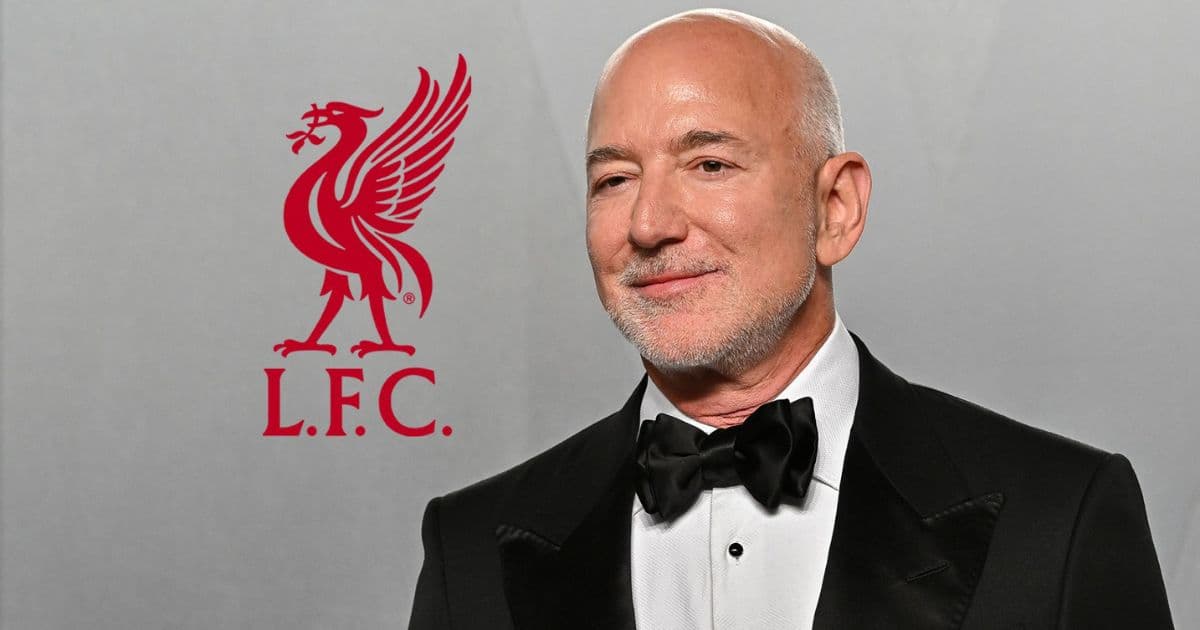
Liverpool have sold a 30% minority stake to a consortium led by Amit Bhatia, with Amazon founder Jeff Bezos and Facebook co-founder Eduardo Saverin among the investors. Fenway Sports Group (FSG) confirmed the agreement on Friday.
The deal is worth around £1.65 billion, valuing the Premier League club at approximately £5.5 billion.
The investment marks Bezos' first move into professional sports. Despite the sale, FSG will remain Liverpool's majority owner and continue to oversee the club's day-to-day operations.
Who Is Behind the £1.65bn Liverpool Investment?
1892 Holdings is led by British-Indian businessman Amit Bhatia, the former co-owner and director of Queens Park Rangers. Under the terms of the deal, Bhatia is expected to become Liverpool's vice-chairman.
The consortium also includes K5 Sports, a fund backed by Jeff Bezos, and EE Capital, the family office of Facebook co-founder Eduardo Saverin and his wife, Elaine. Elaine Saverin is set to join Liverpool's board.
Despite the size of the investment, Bezos will not take a seat on Liverpool's board. Instead, K5 Global managing partner Bryan Baum will represent the consortium, according to ESPN.
The deal is still subject to regulatory approval before it can be completed.
Read More: Peter Moore Explains Why Amit Bhatia Matters More Than Jeff Bezos In Liverpool Investment Talks
Why Fenway Sports Group Sold a 30% Liverpool Stake
FSG bought Liverpool for approximately £300 million in 2010. Under its ownership, the club ended a 30-year wait for the English top-flight title in 2020 and won another Premier League title in the 2024-25 season.
The Reds also won their sixth European Cup in 2019, extending their record as the most successful English club in the competition. The investment from 1892 Holdings provides FSG with fresh capital.
The American owners will continue to oversee Liverpool's football and commercial operations. FSG president Mike Gordon said the consortium’s long-term outlook was an important factor in the agreement.
“Liverpool has always been built by thinking beyond one season and making decisions with the club’s long-term interests in mind,” Gordon said.
He added that Bhatia and his partners shared FSG’s appreciation of Liverpool’s identity and would bring experience that could strengthen the club’s existing foundations.
What the Investment Could Mean for Liverpool
Although the deal is not expected to transform Liverpool's transfer budget overnight, it gives FSG greater financial flexibility.
The additional funding could support future infrastructure projects, academy development, and commercial expansion while helping the club compete with Europe's biggest clubs. The investment could also have a long-term impact on Liverpool's academy.
Extra funding may strengthen the club's scouting network, improve training facilities and support player development. That doesn't automatically mean more academy graduates will reach the first team, however.
Those opportunities will still depend on talent, form and the manager's willingness to promote young players.
Bhatia said the group was “incredibly proud” to invest alongside FSG and described joining Liverpool as a significant privilege.
“We believe deeply in Liverpool and its leadership,” he said, adding that the consortium wanted to support the club’s progress for years to come.