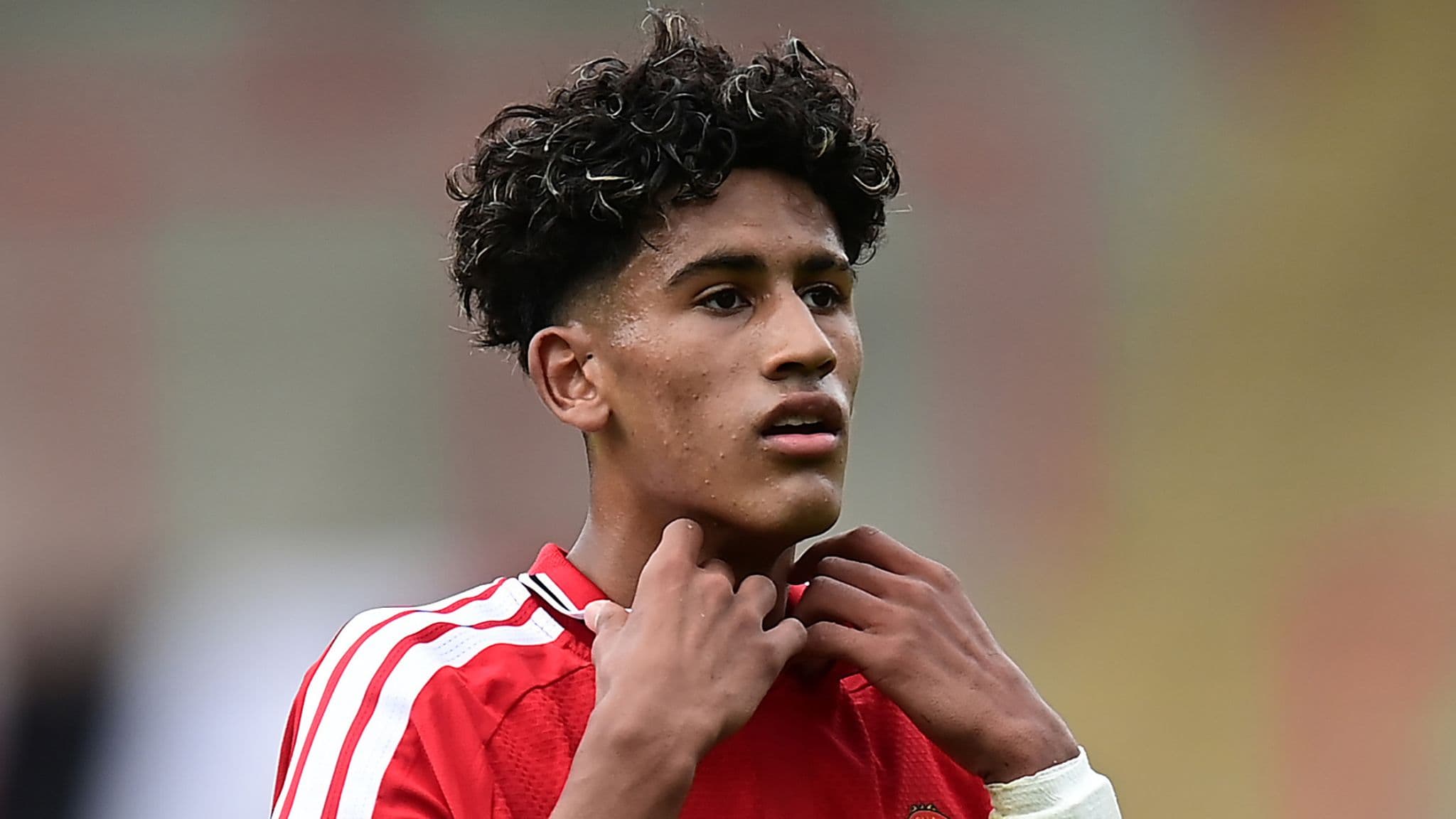
The deadline day of the Dutch transfer window yielded a major youth capture for Eredivisie outfit Willem II, who agreed on a loan move for Man Utd youngster Chido Obi, giving the 18-year-old his first sustained taste of senior football.
The young striker will get a chance to show his quality in the Netherlands, with the deal set to be completed before the Dutch window shuts.
Obi will move on a straight loan, with no option to make it permanent, after which he will return to Old Trafford next summer.
Who is Chido Obi?
Danish youth international Chido Obi was born in Denmark to Nigerian parents, and began his football journey with FC Copenhagen.
He moved to England with his family when he was 13 and enrolled in Arsenal's academy, where he rapidly rose through the ranks.
He was only 15 years old when he made his U-18s debut for the Gunners, and then played for the U-21s a few months later, while still only 15.
Obi attracted international attention for the first time in November 2023, when he scored ten goals in an U-16 game against Liverpool, which ended 14-3 to the Arsenal team.
In April 2024, he scored seven goals in a 9-0 win for Arsenal's U-18s against Norwich City, once again grabbing headlines.
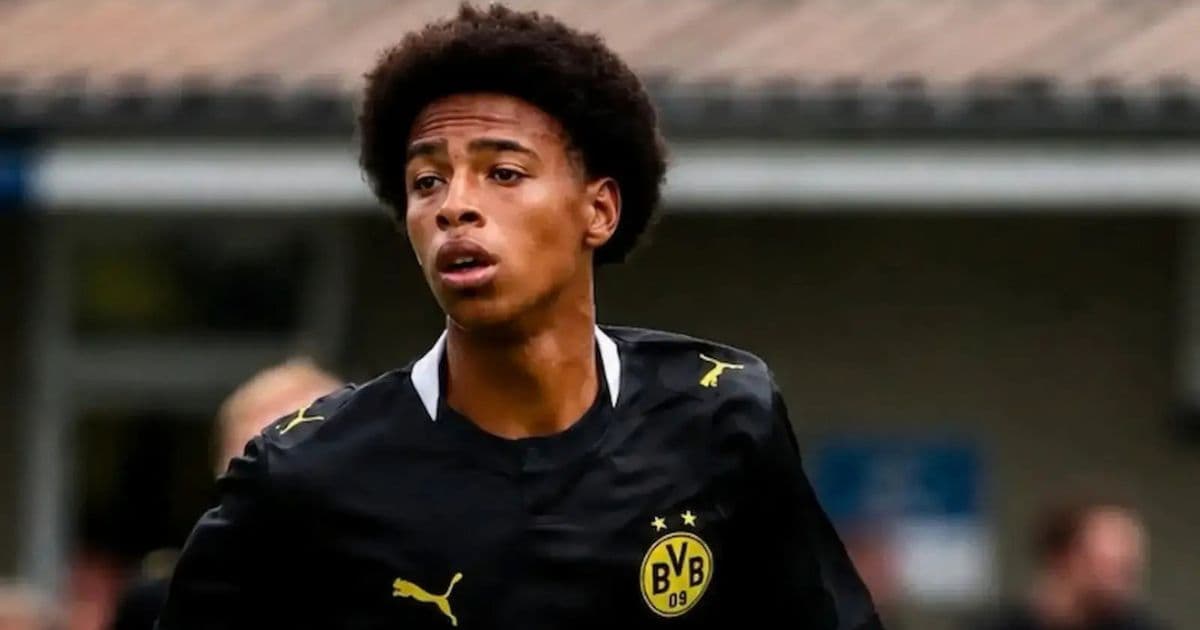
He left the Gunners for Manchester United in the summer of 2024, despite having offers from Arsenal, Bayern Munich, and Borussia Dortmund, among others.
Obi became a first-team player for the Red Devils in the 2024-25 season, and became their youngest-ever Premier League starter at 17 years and 156 days old in May 2025.
His first-team opportunities have since dried up at Man Utd, but he has remained a regular for their youth teams, scoring 15 goals in 31 U-21 appearances last season.
He played in one pre-season friendly this summer before the club decided to send him out on loan for the remainder of the season.
The Isak Blueprint: Why Willem II is the Ideal Eredivisie Launchpad
Many years before he became the most expensive signing in Premier League history, Alexander Isak had a brief stint in the Netherlands at Willem II.
The Sweden international joined the Eredivisie side for the second half of the 2018-19 season from Borussia Dortmund.
He was a hit in the Netherlands, recording 14 goals and six assists in only 18 appearances in Tilburg, proving his readiness for greater responsibility.
The technically demanding and expansive nature of the Dutch top flight provides an ideal environment for Obi to transition his prolific academy goalscoring numbers into consistent senior output.
Bridging the Gap Between Academy and Senior Level
Having posted extraordinary goalscoring records at youth level for Arsenal and Manchester United, Chido Obi must now try to recreate his numbers in senior football.
The competition for places in the Man Utd frontline and increased scrutiny at the club prevented him from getting regular opportunities to showcase his quality.
Rather than spend another year dominating fellow youngsters in Premier League 2, the decision has been made for him to dive into senior league football with a side that is struggling in the Eredivisie.
He will be exposed to the weekly physical duels and tactical responsibilities required of a top-flight central striker, and will significantly develop his all-round game.
Lessons for Young Players from His Journey So Far
Young players must know the right time to prioritise senior minutes over academy football, as this provides the fastest route to maturity.
Dominance in youth football is not the end goal and is not important if it cannot be translated to senior performances; hence the need to know when to move towards senior football.
Young players should target leagues that suit their tactical development and be careful when choosing the teams they play for.
Forwards have historically thrived in the Eredivisie due to its fast-paced, open nature, and Obi's decision to move there will be beneficial to his development.
Young players must understand that loan moves are not setbacks but rather stepping stones toward their progress.
Loans must be treated as opportunities to prove their worth and earn the trust of their parent clubs or other clubs.