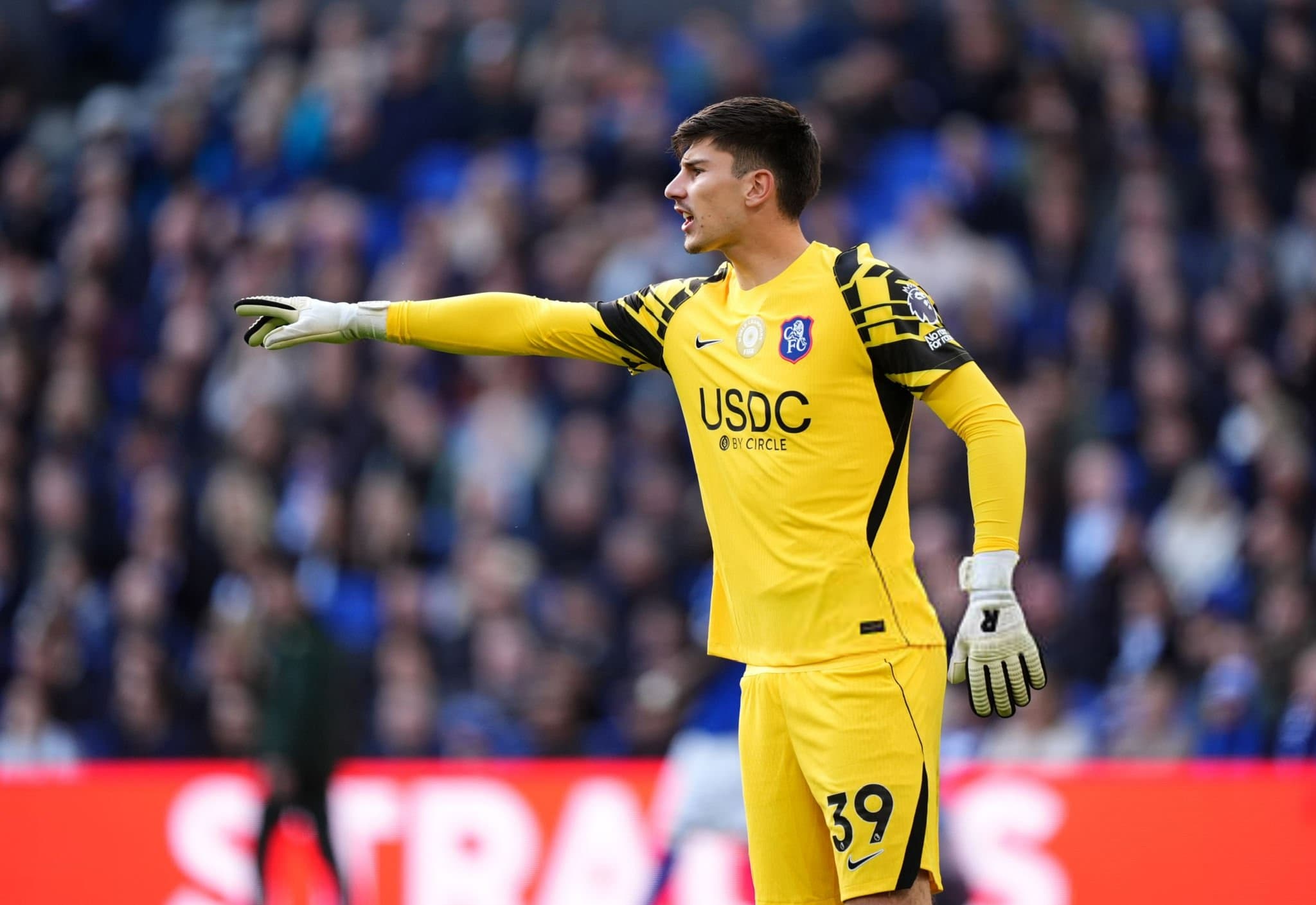

Manchester City have completed one of the most intriguing attacking hijackings of the window . by agreeing to a £65m package with Everton for Iliman Ndiaye to bolster new manager Enzo Maresca’s front line.
With Jack Grealish heading in the opposite direction on a season-long loan to Goodison Park and Arsenal pressing hard after their title triumph, City required immediate depth and tactical variety.
Striver.Football profiles five reasons why the 26-year-old Senegal international fits Maresca's blueprint at the Etihad.
1. Resolving the Out-and-Out Winger Shortage
Following the recent departures of Savio and Omar Marmoush to Tottenham Hotspur, Manchester City’s squad was left surprisingly thin on natural perimeter width.
While Phil Foden prefers drifting into central pockets and Jack Grealish's loan to Everton vacates a spot on the left, City only possessed Antoine Semenyo and Jeremy Doku as orthodox wide options.
Ndiaye’s arrival instantly restores balance and gives Maresca the rotational flexibility required to compete across four fronts.
2. Dual-Footed Ambidexterity Across Both Flanks
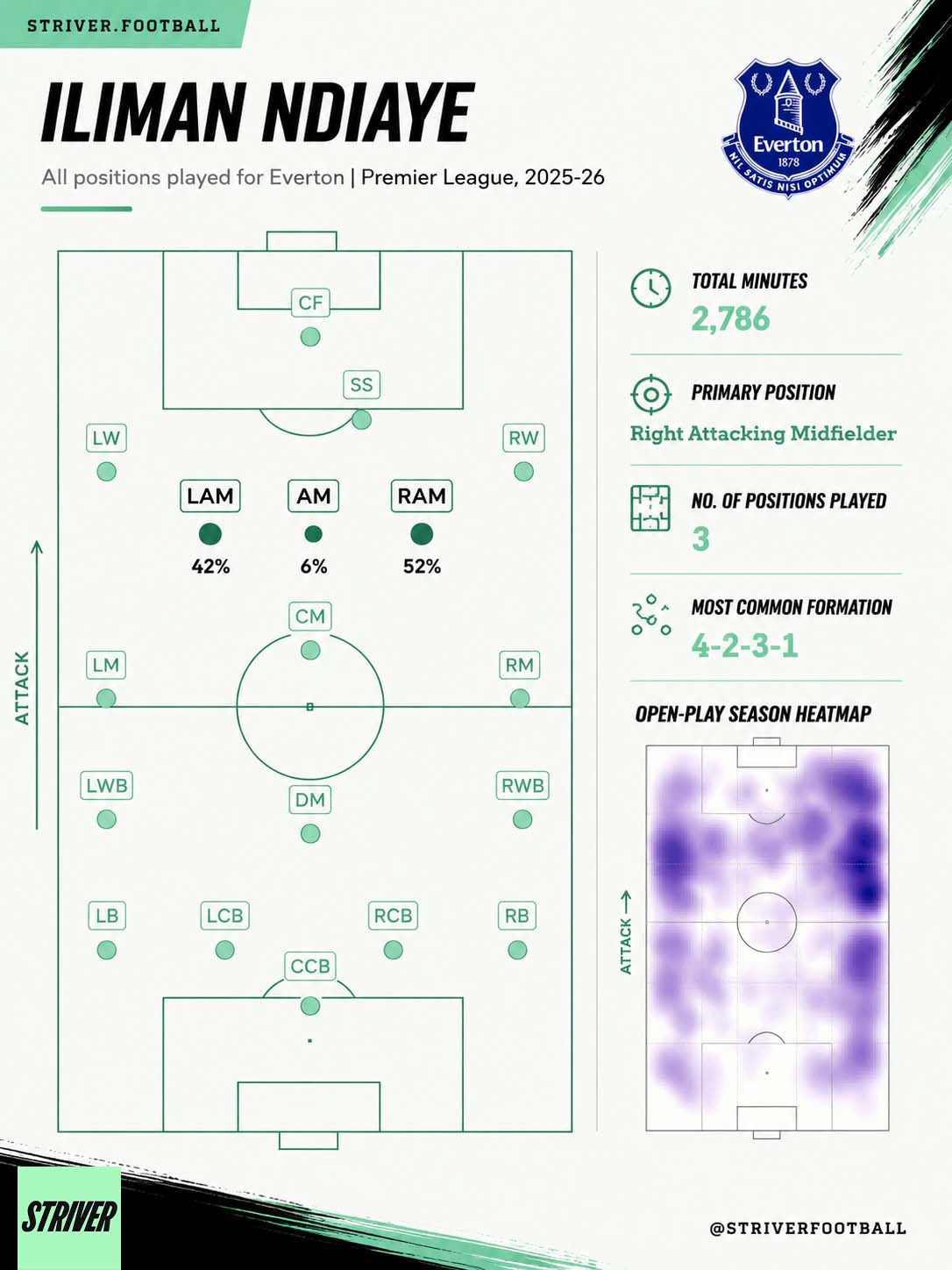
Ndiaye offers rare two-footed comfort on either touchline. Under David Moyes at Everton last term, Ndiaye started the campaign on the right wing before seamlessly shifting to the left following Grealish's season-ending injury in January.
Five of his 11 open-play goals for Everton were struck with his nominally weaker left foot, making him an unpredictable 1v1 threat whether cutting inside or driving to the byline.
3. A Unique Dribbling Profile Built for Low Blocks
Maresca's tactical framework relies on methodical short passing to pin opponents before unleashing wingers to break down compact blocks. While Jeremy Doku excels at static 1v1 isolations from a standing start, Ndiaye brings momentum-driven carries.
According to data compiled by The Athletic, Ndiaye completed 427 long carries last season, the most of any player in the Premier League.
Despite playing in a more conservative Everton side, Ndiaye accounted for 34.8% of Everton's total completed take-ons while converting at a 49% success rate—slightly outperforming Doku’s 46%.
4. Resistance to High Press and Tight-Space Link-Up
Refined through his journey from English non-League football to Sheffield United and the Championship, Ndiaye possesses exceptional physical balance in tight areas.
Last season, he received the ball under direct pressure 3.4 times per 30 minutes of team possession,a rate trailing only Tottenham’s Mohammed Kudus.
Furthermore, his affinity for rapid, short give-and-go passes aligns perfectly with the quick combinations City utilise to unpick stubborn defensive units.
5. Elite Off-the-Ball Defensive Work Rate
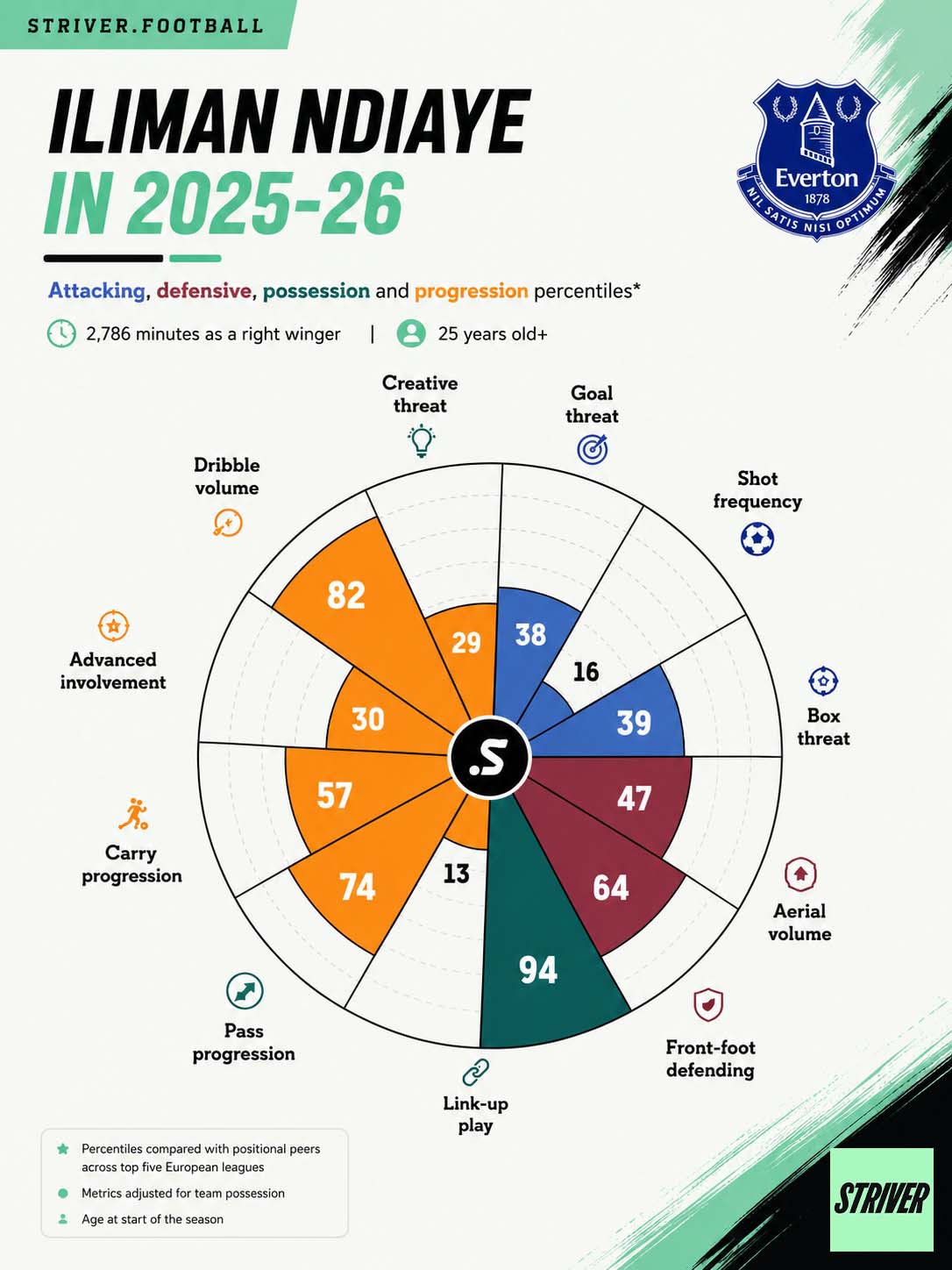
Maresca demands unselfish out-of-possession pressing from his front three. Despite his flair, Ndiaye is far from a luxury player; he registered the third-most tackles (2.26 per 90) and the highest number of recoveries (5.75 per 90) among all Premier League forwards last season.
That defensive graft ensures City maintain their counter-pressing structure when losing possession high up the pitch.
Key Lessons for Young Players
Develop Ambidexterity Early: Being capable of finishing and crossing on your weaker foot doubles your value to elite managers who swap wingers mid-match.
Embrace Physicality in Possession: Using your body to shield balls in tight spaces turns high-pressure scenarios into fouls won or quick combinations.
Defensive Output Unlocks Top Moves: Flashy dribbles catch attention, but top-tier clubs pay premium fees for attackers who actively graft out of possession.