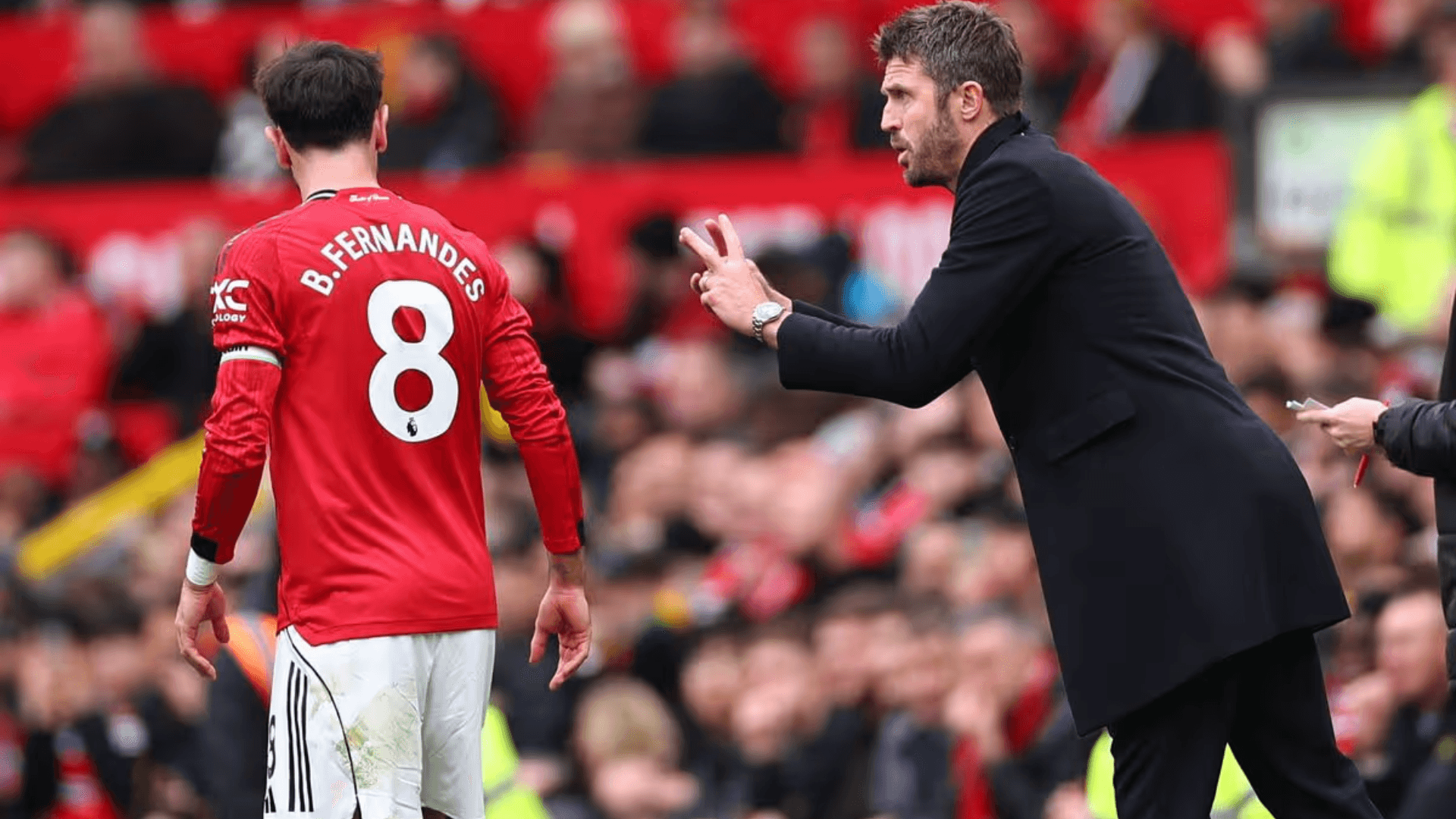
Chelsea’s current squad includes Cole Palmer, Romeo Lavia and Morgan Rogers, three players with links to Manchester City’s youth system. Palmer and Rogers came through the City academy, while Lavia joined the club from Anderlecht as a teenager and progressed through its youth setup.
All three left City before establishing themselves as regular senior players elsewhere. Their presence at Stamford Bridge raises the question of what City might have built had they retained more of that talent.
Chelsea started Palmer, Lavia and Rogers together against Arsenal last Sunday, with Lavia in midfield and Palmer and Rogers supporting João Pedro. Rogers scored after 77 seconds, although the Gunners recovered to win 2-1.
City let all three go during the early stages of their careers and decided not to follow their rivals, Manchester United. The Red Devils' success under Sir Alex Ferguson was in part due to the reliance on the club's academy, including Ryan Giggs, David Beckham, Paul Scholes, Nicky Butt, Gary and Phil Neville, the Class of 1992.
Chelsea Trio Remind Manchester City To Trust in Youth
Palmer is the clearest example of City's reluctance to put their faith in youth sometimes coming back to haunt them. The Cityzens and Pep Guardiola had already seen what he could offer at the senior level.
The English attacker joined City’s academy at eight, captained the under-18s and made his first-team debut in September 2020. He was part of the senior squad during the treble-winning 2022-23 season, but regular playing time was hard to come by in a team packed with established attacking players.
Chelsea came along and gave Palmer a more prominent role in attack. He became one of their main attacking players, evolved into one of the Premier League’s leading creators, and earned international recognition with England.
City do deserve credit for developing him, but his departure remains difficult to overlook. The club developed the player, but it's the west Londoners who are reaping the rewards.
Rogers, though, is a different case as he began his career at West Bromwich Albion before joining City’s youth setup, unlike lifelong academy product Phil Foden. The club still played a role in his growth before he moved to Middlesbrough and later Aston Villa.
At Villa, Rogers fulfilled his potential and became key under Unai Emery, boasting a versatile attacking profile, capable of carrying the ball, creating chances, and playing in several positions.
Chelsea paid a club-record deal reported to be worth up to £117 million to bring Rogers to Stamford Bridge. That fee does not prove City made the wrong decision, but it does show how significantly the England international’s value increased after leaving the club.
Lavia’s route was different again. He began at Anderlecht before joining Manchester City as a teenager and progressing through the club’s youth system. He later moved to Southampton.
Chelsea subsequently signed Lavia, who is now part of the same senior squad as Palmer and Rogers. However, he should not yet be described as an established Chelsea regular. Injuries and a lack of continuity have made his case less conclusive than Palmer’s.
His inclusion is still relevant because it adds a midfield example to the argument. The discussion is not limited to City’s attacking academy players, even if there is no evidence that Lavia would have become a regular starter at the Etihad.