
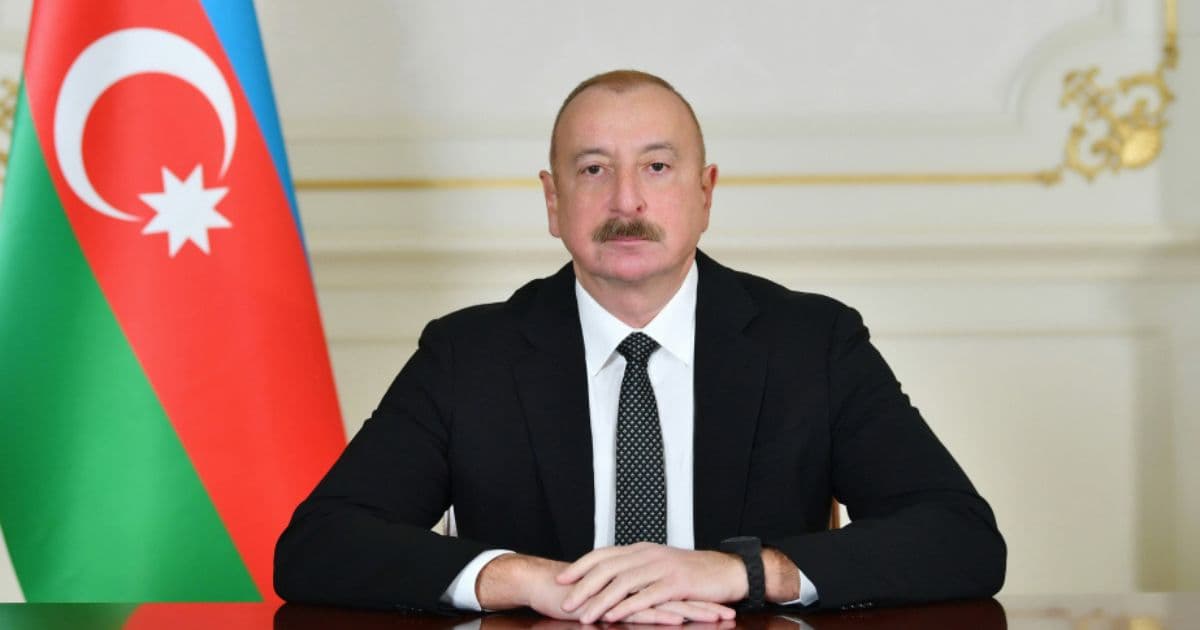
Preparations for FIFA's inaugural U-15 World Cup have taken another important step after Azerbaijani President Ilham Aliyev officially signed a decree outlining the country's plans to host the tournament later this year.
The competition, which will run from 22 to 31 October 2026, will be the first FIFA tournament specifically created for under-15 international teams, marking a significant addition to the global youth football calendar.
Under the new decree, responsibility for coordinating preparations has been handed to the Organising Committee already established for Azerbaijan's hosting of the 2027 FIFA U-20 World Cup.
The decision provides a formal framework for delivering the competition and reinforces Azerbaijan's growing reputation as a destination for major international football events.
A New Era For International Youth Football
The creation of the FIFA U-15 World Cup represents a new chapter in youth development.
For decades, talented young players have progressed through domestic academies and regional competitions before making the leap into international football. This tournament provides another opportunity for some of the world's brightest prospects to experience representing their country at a FIFA event much earlier in their development.
While many of the players involved will still be years away from senior international football, the experience of competing against different nations, adapting to new playing styles and performing under the pressure of a global tournament could become an important part of their football education.
For many participants, it will be the first time they have worn their country's colours on one of football's biggest stages.
Why Azerbaijan Will Host FIFA's First U-15 World Cup
Azerbaijan has steadily increased its involvement in hosting international sporting events over the last decade.
From European football fixtures to major international competitions, the country has continued to invest in sporting infrastructure and tournament organisation.
With preparations already underway for the 2027 FIFA U-20 World Cup, using the same organising structure for the U-15 competition allows organisers to build valuable experience ahead of next year's larger tournament.
The latest decree confirms that planning is now moving into its next phase, with government agencies and organisers working together to deliver FIFA's newest youth competition.
Why The FIFA U-15 World Cup Matters
Although the U-15 World Cup is a brand-new competition, its purpose extends beyond identifying future stars.
International football at youth level offers players opportunities that domestic football simply cannot replicate.
Young footballers are exposed to different cultures, coaching styles and tactical approaches while learning how to adapt both on and off the pitch. For many, tournaments like this are where confidence grows, friendships are formed and valuable life experiences begin.
Not every player who competes in Azerbaijan will go on to play professionally.
However, every participant will leave having experienced the demands and excitement of representing their nation at a FIFA tournament.
That alone could have a lasting impact on their development.
The Wider Talking Points Around The Tournament
The tournament has also attracted wider attention because of who may be involved.
Earlier this year, FIFA confirmed that all member associations would be eligible to participate, leading to discussion over whether Russia's U-15 national team could return to FIFA competition for the first time since 2022.
While that debate is expected to continue as participating teams are confirmed, Azerbaijan's latest announcement shifts the focus back towards the practical task of hosting what promises to be a landmark event for youth football.
What To Expect From FIFA's First U-15 World Cup
As October approaches, excitement will continue to build around a competition unlike any FIFA has staged before.
The U-15 World Cup has the potential to become an important stepping stone within the international football pathway, offering young players an early taste of elite competition while giving supporters a first glimpse of the stars who may shape the future of the game.
For Azerbaijan, it is another opportunity to showcase its ability to host world-class football events.
For FIFA, it represents the beginning of a new tournament designed to strengthen youth development across the globe.
And for hundreds of young footballers, it could mark the first chapter in what they hope will become an unforgettable international career.