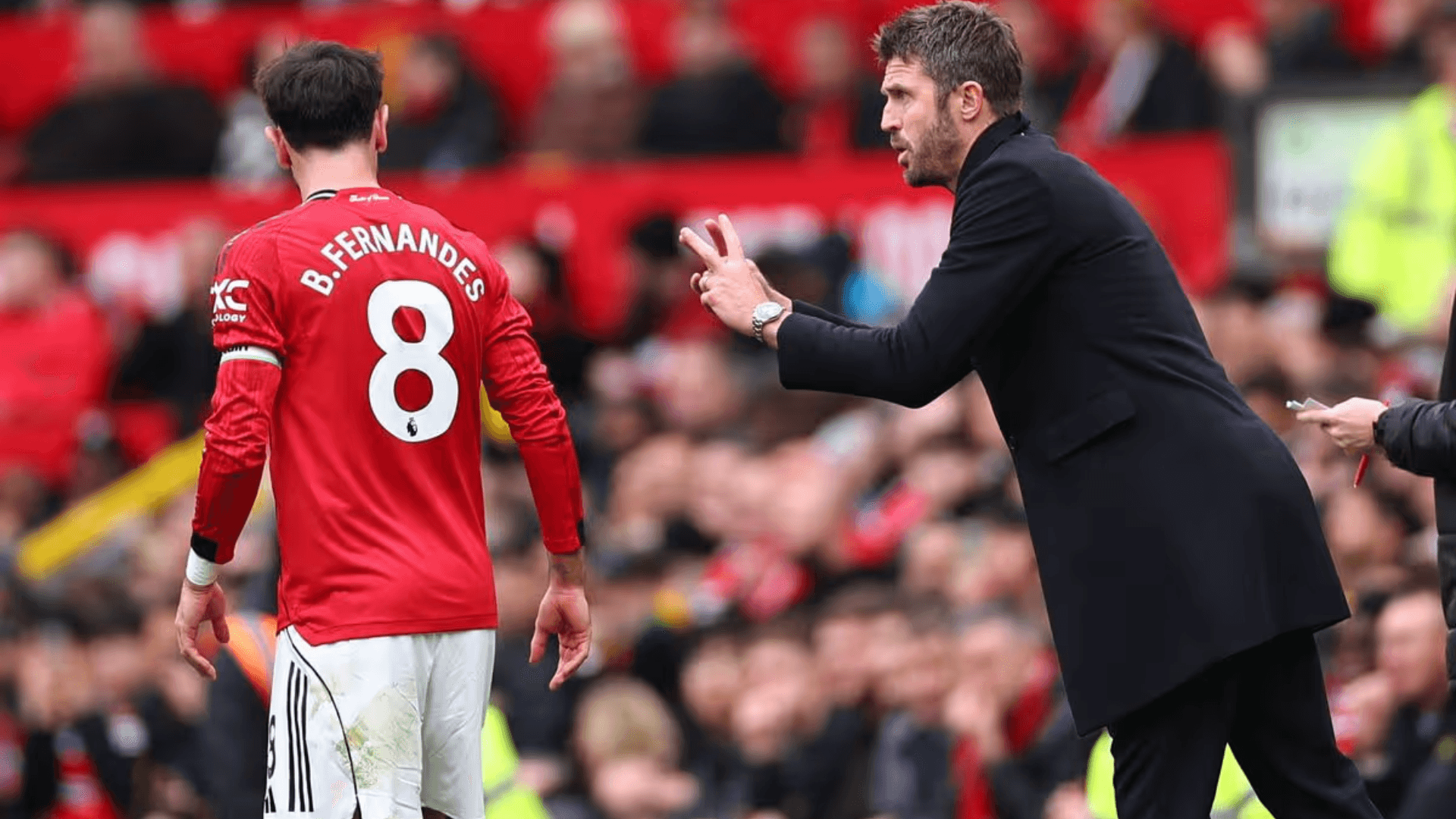
Following approval from the International Football Association Board (IFAB), there will be a new rule for goalkeepers feigning injuries to waste time.
The trial of the new rule will be implemented in both the men's and women's game but won't extend below the second tier of non league football.
How the New Goalkeeper Injury Rule Works
If play is stopped due to a goalkeeper injury, the manager will have to immediately nominate an outfield player to wait on the sideline for a minute.
However there are exemptions to this rule. If the goalkeeper requires immediate medical attention, collides with a teammate or the goalkeeper is bleeding, then no outfield player is required to come off the pitch
The rule will come into effect as of the 1st August with Tranmere hosting Rochdale in the Carabao Cup qualification final ahead of the 2026-27 campaign.
The Carabao Cup first round starts on 8th August before EFL league games start on Friday 14th August and Premier League fixtures commencing on 21st August.
Football officials will monitor the progress of the experiment alongside the International Football Association Board to determine if it improves match flow without compromising player welfare.
FA include multitude of changes for 2026-27 season
The FA have announced a handful of changes for the upcoming season. 10 laws and one protocol have been implemented ahead of this football season, which awaits in just a few weeks.
Law 3 has been amended, with players now required to come off within 10 seconds of a substitution. If the substituted player doesn't come off within 10 seconds, then the player coming on has to wait an additional minute until they are eligible to come onto the pitch.
Changes to VAR have been made making it possible for VAR to intervene in an incorrect red card resulting from a clearly wrong second yellow card, a wrongly awarded corner kick if the decision can be changed immediately and without delaying the restart or a mistaken identity when a player is shown a yellow/red card but the offence for which the card was shown was committed by another player of either team.
Referees will now use a five-second visual countdown when a player/team is delaying the taking of a throw-in. If the time limit is exceeded, the throw-in is awarded to the opposing team.
Read More: How the Premier League’s New SCR Spending Rules Could Change English Football Forever
Why the FA and IFAB Introduced These Changes
Football's lawmakers have continued to make adaptations to rules to improve the speed of play whilst maintaining player safety.
The IFAB have made multiple changes, such as allowing five substitutions in three windows to maintain player welfare following Covid-19. This rule has widely been accepted by fans, staff and players since it's inclusion half a decade ago.
In 2024-25, the International Football Association Board also included an extra substitution if a player is taken off with a concussion. Once again, they displayed their clear plan to improve player welfare whilst simultaneously improving the flow and speed of games.
As per the Analyst, across the opening 70 Premier League games last season, the ball was in play for just 55 minutes per game. That was two minutes lower than the 2024-25 season (56 mins, 59 secs) and the 2023-24 season (58 mins, 11 secs). This has led the IFAB to make vast changes to improve the in-ball time across the Premier League.
What Happens After the Trial?
This goalkeeper rule isn't in for good, with the IFAB currently running it on a trial basis for the 2026-27 season. The rule may be scrapped, altered or kept as is for future seasons, but there is no way of confirming it until the end of the season.
IFAB have done trial rules before, with VAR being included in multiple competitions on a trial basis before being implemented in 2018. However, since being added, VAR has undergone many changes to its protocol to improve the speed of the game.
It is likely that, regardless of how the trial impacts the game, there will be changes to improve the amount of time the ball is in play across all English leagues at all levels. This could be the rule that sees the uptick in in-ball time, which decreased last season. If not, the International Football Association Board will likely alter the ruling or bring in an additional change to reach their goals.