Jamal Musiala walked out for Germany’s opening match with a strip of tape covering the logo on his headphones. It was neither an injury precaution nor a superstition: FIFA had asked him to conceal the Beats by Dre branding before the match against Curacao, and the German star quietly complied.
Such a small piece of tape points to a much broader policy: FIFA’s ‘clean stadium’ rule, which removes from World Cup venues any branding not tied to an official tournament sponsor. Its reach extends far beyond stadium signage.
Across the 2026 World Cup’s host cities, the rule has affected everything from venue names and seat markers to restaurant condiments and players’ personal accessories.
Rather than fight it, several brands have leaned into the joke, turning FIFA's enforced censorship into some of the tournament's most shared moments online.
Why FIFA Covers Brand Logos At The World Cup
FIFA's contracts with host venues are blunt about what's allowed: no signage, seating, scoreboards or staff uniforms may carry commercial branding beyond what FIFA itself approves. The reasoning is exclusivity.
Official partners pay enormous sums for category rights, and FIFA is set to earn roughly €1.6 billion from sponsorship in 2026 alone, a figure it protects by keeping rival names off screen entirely. Individual sponsorship categories also come at a cost.
Sports management professor Florian Pfeffel estimates official partners pay somewhere between €45 million and €90 million a year for that exclusivity.
FIFA calls the surrounding no-go areas "clean zones," and the policy draws a distinction between ordinary businesses going about their day-to-day operations near a venue and what the governing body labels ambush marketing, any attempt by an outside brand to piggyback on the tournament's visibility.
That distinction helps explain why the clean-up has extended to 14 of the tournament’s 16 host venues. MetLife Stadium became New York New Jersey Stadium; AT&T Stadium in Arlington was rebranded as Dallas Stadium.
Hard Rock Stadium became Miami Stadium, and Philadelphia’s Lincoln Financial Field lost its corporate name altogether, with even Eagles posters removed from the concourses.
That is why stadium names are stripped away for the tournament, unofficial branding is taped over, and even a restaurant’s ketchup bottle can become a compliance issue.
How Levi's Turned A Covered Logo Into A Viral Moment
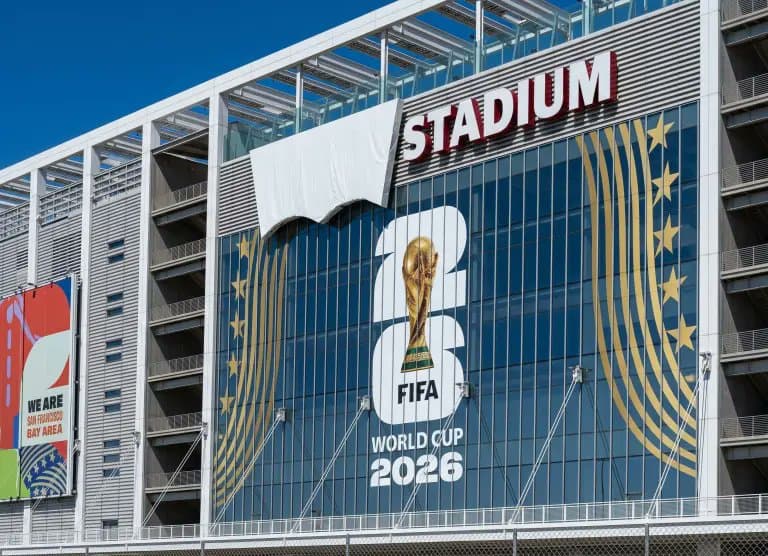
Santa Clara’s Levi’s Stadium, home of the San Francisco 49ers, was rebranded as San Francisco Bay Area Stadium for the tournament, with white tarps covering the venue’s exterior signage. The cover-up didn't quite work.
Levi's distinctive batwing logo remained recognisable through the tarp. Levi’s embraced the moment, changing its social media profile picture to an image of its own covered sign.
The joke spread more quickly than any paid advertising campaign likely could have. Even opposing coaches noticed. Austria's Ralf Rangnick said he had to laugh when he saw the covered Levi's sign outside the stadium.
How Beats, Heinz and Musiala Turned FIFA's Rules Into Free Marketing
Musiala's taped-up headphones came before Germany's 7-1 win over Curaçao at Houston's stadium on June 14, a match in which he also scored. Beats by Dre isn't an official FIFA partner, so the logo was not permitted to appear in broadcast footage under FIFA regulations, regardless of how many fans recognised it anyway.
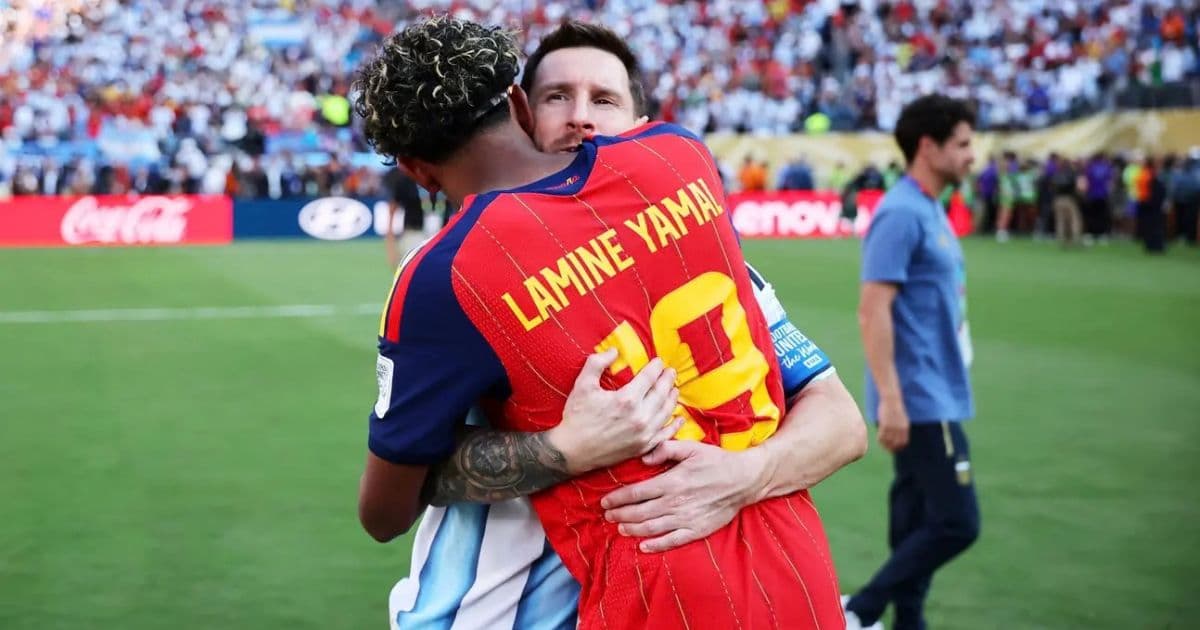
Rather than complain, Beats used the moment to tease an unreleased headphone model already worn by players like Lamine Yamal and Lee Kang-in during warm-ups, turning FIFA's restriction into free product buzz.
Not every sponsor's branding was covered. At Atlanta's stadium, the large Mercedes-Benz logo on the roof remained visible throughout the tournament. According to source, removing it would have required work on the retractable roof itself, creating practical and safety concerns.
Heinz faced no such luck. Stadium restaurants taped over the ketchup bottles on their tables, and at one venue FIFA staff even covered condiment labels in the press box, hiding them from the journalists working matchday.
The brand responded with its own "Unofficial Stadium Ketchup," poking fun at the rule rather than pushing back against it.
Why Gillette Stadium Became the Biggest Branding Story of the Tournament
The most extreme example belongs to Foxborough. Gillette Stadium, home of the New England Patriots, was renamed Boston Stadium for the tournament. FIFA required workers to cover the Gillette logo printed on nearly 65,000 individual seats, applying tape strip by strip across the stadium.
Gillette responded with its own social post: a giant pile of shaving foam covering its stadium signage, captioned, "At least we got to choose how we cover it."
The post pulled in close to 34,000 likes and hundreds of comments within days, alongside a cheeky jab at Levi's, tagging the denim brand and noting "they got us too."
Why Football Fans Loved It
Supporters didn't need a marketing background to enjoy this. One fan joked that whoever taped over "all 60,000 seats" deserved sympathy, a comment that alone gathered thousands of likes. Others pointed out the obvious.
covering a logo doesn't erase a shape everyone already recognises by heart, with one commenter writing simply that "it's the shape of the logo," giving the game away.
A third fan took it further, joking that Levi's should hang its actual denim like drying racks on the covered sign, since the shape practically invited the comparison.
The Other Branding Rules FIFA Enforces at the World Cup
FIFA’s control extends far beyond logos. The governing body also regulates stadium naming rights, limits branding within official interview areas, sets rules on what players may wear when arriving at venues, and enforces category exclusivity, ensuring that only one brand from each industry receives official tournament exposure.
The exclusivity rules can produce some surprisingly specific outcomes. With Rexona holding the tournament’s official deodorant sponsorship rights, rival brands in the category are effectively shut out of World Cup visibility, no matter how inventive their marketing campaigns may be.
It isn't only commercial, either. In the days before the tournament, Haiti's federation had to adjust elements of its kit for political reasons.
Two host venues escaped the clean-up entirely: Vancouver's BC Place and Mexico City's Estadio Azteca, since neither carries a corporate naming deal to begin with.