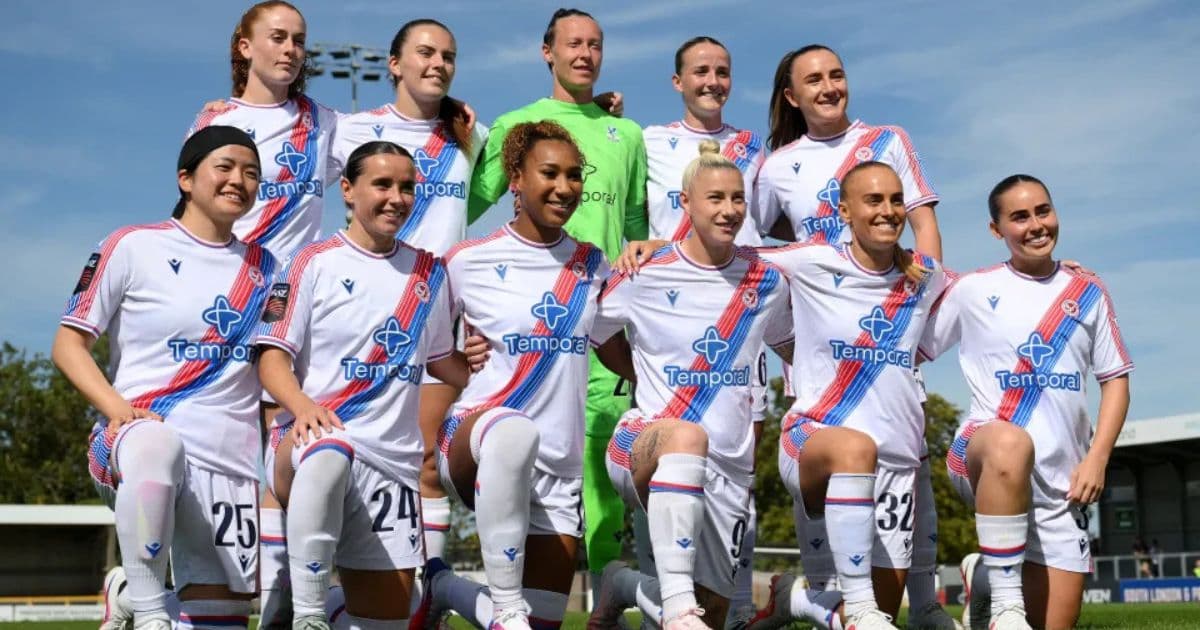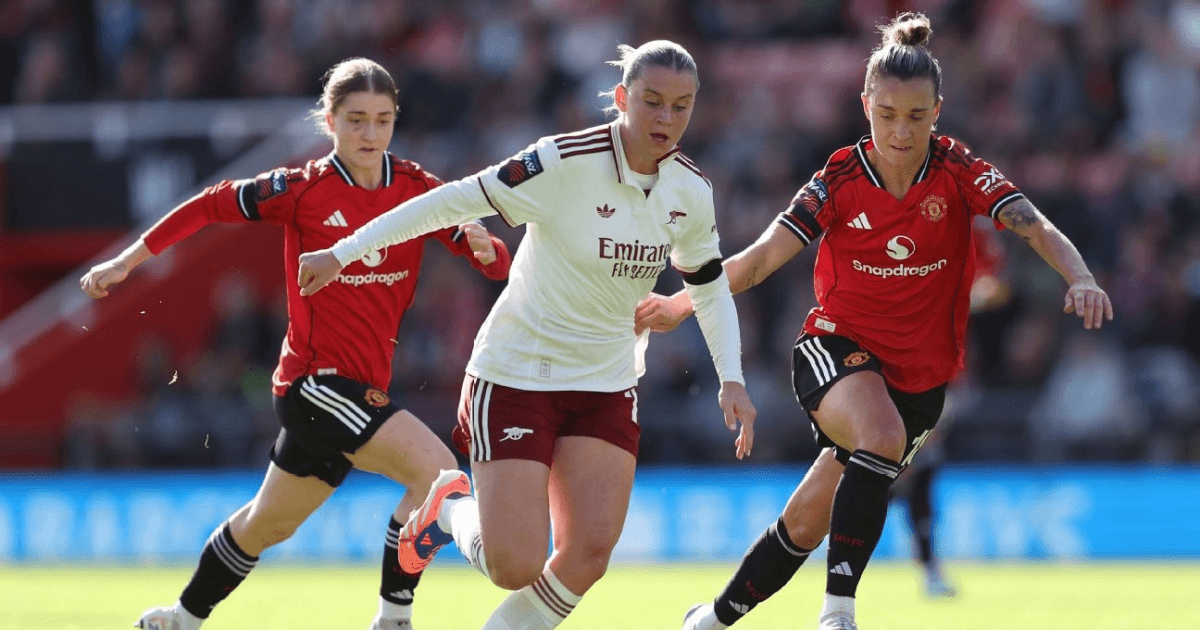
Katie McCabe's move from Arsenal to Chelsea has sparked one of the biggest debates of the summer.
For some supporters, the reaction was immediate. A club legend joining a direct rival felt unthinkable. Social media quickly filled with accusations of disloyalty, betrayal and claims that the Republic of Ireland captain had abandoned the club she helped represent for so many years.
But beneath the emotion sits a bigger question.
Why are footballers still being labelled "traitors" for making professional career decisions?
In a summer that has already seen several high-profile free transfers across men's and women's football, McCabe's move has reopened a debate that goes far beyond one player, one club or one rivalry.
Katie McCabe's Chelsea Move Reignited The Loyalty Debate
Few players embodied Arsenal quite like Katie McCabe.
Her passion, leadership and relentless competitiveness made her a favourite among supporters and one of the defining figures of Arsenal's modern era.
That is exactly why her move to Chelsea hurt.
Football supporters invest emotionally in players. They celebrate their successes, defend them during difficult periods and often build a connection that feels much deeper than a normal employer-employee relationship.
When a player leaves, particularly for a rival club, that emotional bond can feel broken.
But disappointment and betrayal are not necessarily the same thing.
Supporters are entitled to feel upset when a favourite player leaves. The question is whether that disappointment should automatically become criticism of the player's character.
Football's Loyalty Myth
Football often demands a level of loyalty that simply doesn't exist in most other professions.
Players are expected to remain devoted to clubs regardless of opportunities elsewhere, while supporters frequently view departures through an emotional lens rather than a professional one.
Yet few people would criticise a teacher for moving schools, a doctor for changing hospitals or a lawyer for joining a rival firm.
Career progression is considered normal in almost every industry.
Football, however, operates by a different set of expectations.
Supporters often want players to prioritise loyalty above ambition, opportunity or personal circumstances. When they don't, accusations of greed, betrayal or disloyalty quickly follow.
But modern football careers are increasingly complex.
The reality is rarely as simple as choosing one badge over another.
The Summer Of Free Transfers Shows Football Is Changing
This summer has already demonstrated how much power players now have over their own futures.
Across both the men's and women's game, free transfers have become one of football's biggest talking points.
Rather than clubs dictating every move, players are increasingly reaching the end of contracts and choosing the environment that best suits their ambitions.
For some, that means pursuing trophies.
For others, it means more playing time, a different tactical system or a fresh challenge.
Football has become more player-driven than ever before.
Yet fan culture has not always evolved alongside it.
Many supporters still view transfers through the lens of loyalty and rivalry, even when the decisions themselves are driven by practical considerations.
The Personal Decisions Fans Rarely See
One of the most overlooked aspects of football transfers is that players are people before they are footballers.
Supporters often see a transfer as a simple move from one club to another.
Players see something much more complicated.
Behind every contract negotiation are factors that fans rarely consider.
Family commitments.
Relationships.
Financial security.
Playing opportunities.
Coaching styles.
Location.
Long-term career ambitions.
In women's football especially, where players have historically earned significantly less than their male counterparts, these decisions can have an enormous impact on life after football.
A move is rarely just about changing shirts.
It is often about building a future.
Has Women's Football Inherited The Worst Parts Of Football Culture?
One of the most interesting aspects of the reaction to McCabe's move is what it says about the growth of women's football itself.
For years, many supporters praised the women's game for feeling different.
The connection between players and fans felt more personal. Rivalries existed, but they rarely carried the same hostility seen elsewhere.
As the sport continues to grow, however, some of football's more tribal behaviours have grown alongside it.
Terms like "snake", "traitor" and "Judas" are increasingly appearing in discussions around transfers.
That raises an important question.
As women's football becomes more professional and commercially successful, does it need to inherit every aspect of traditional football culture?
Or can it continue to evolve while maintaining some of the values that helped make it unique in the first place?
Can Fans Be Passionate Without Being Possessive?
Football will always be emotional.
That is part of what makes the game so special. The highs matter because supporters care deeply. The lows hurt because football means something.
But perhaps there is a difference between passion and possession.
Players do not belong to clubs.
They do not belong to supporters.
They belong to themselves.
That does not mean fans cannot feel disappointed when a favourite player leaves. It simply means recognising that footballers have the same right as anyone else to make decisions about their own future.
Katie McCabe's move may divide opinion.
Many other transfers this summer will do the same.
But perhaps the conversation should focus less on where players go next and more on what they gave while they were there.
After all, loyalty is not always measured by staying forever.
Sometimes it is measured by the commitment, effort and memories created along the way.