From the outside, matchday looks simple.
The players arrive.
The shirts are ready.
The crowd takes its place.
The teams walk out.
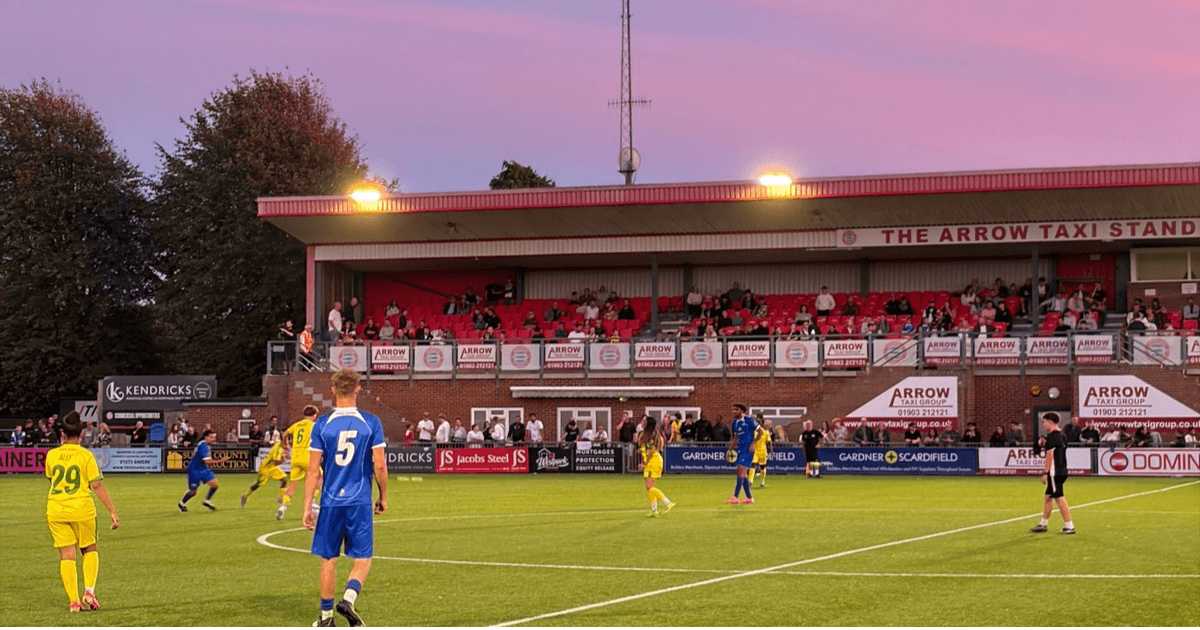
The whistle blows.
For everyone watching from the stands, that is the story.
But behind every successful football event is another story one that rarely makes it onto the scoresheet.
At StriveAid 2026, it was being played out in corridors, changing rooms, around the pitch and anywhere else that needed an extra pair of hands.
The Work Begins Before the First Whistle
Long before the football began, the work was already underway.
Kits needed organising.
Passes needed handing out.
Talent needed getting to the right place at the right time.
Water needed moving.
People needed directing.
And, as with any major event, plans needed to change when reality inevitably refused to follow them.
That is the nature of matchday.
There is always something else to do.
And that was one of the defining characteristics of the StriveAid team: if something needed doing, somebody did it.
There was no room for “that’s not my job”.
The priority was simply making sure everyone else could enjoy theirs.
The Unseen Team Behind StriveAid 2026
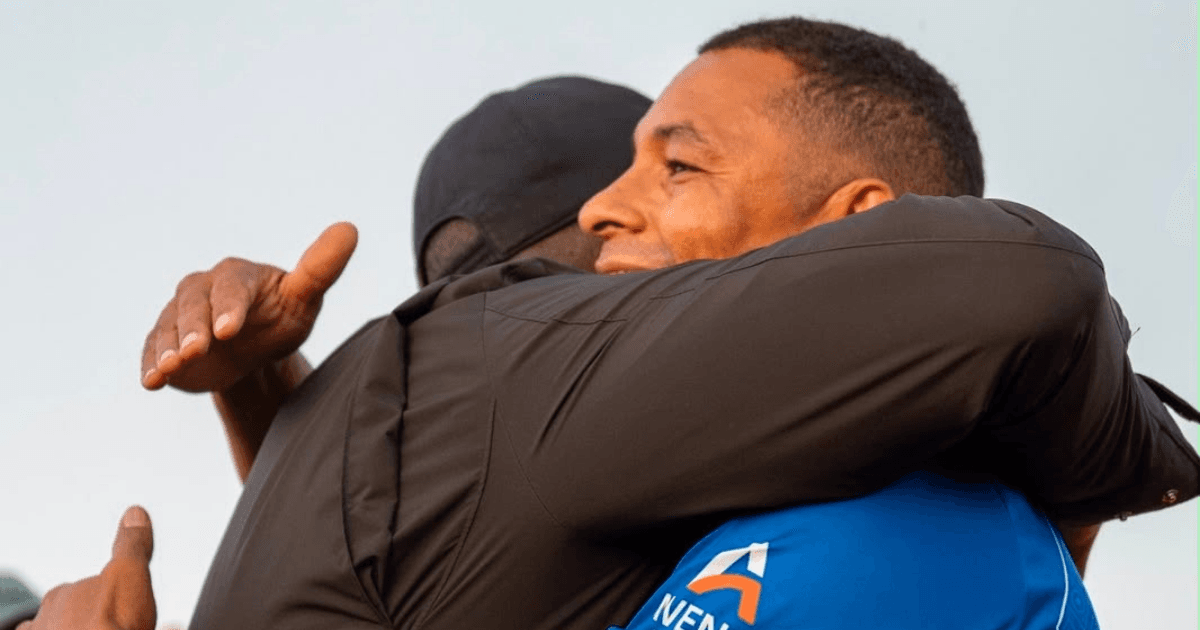
For supporters, the arrival of players such as Gilberto Silva and Sol Campbell was a moment to remember.
For the people working behind the scenes, it was another part of an increasingly busy day.
Getting people where they needed to be.
Making sure everyone had what they needed.
Keeping things moving.
Then doing it all again.
It is easy to forget how much coordination sits behind the moments that look effortless from the outside.
When a player walks onto a pitch at exactly the right time, nobody thinks about the person who made sure they knew where to go.
When a guest has the right pass, the right kit and the right information, nobody sees the dozens of small decisions that made it happen.
When a child gets to meet their hero, there is a whole chain of people who helped make that interaction possible.
That is the match you don’t see.
How Everyone Pulled Together Behind the Scenes
Perhaps the most impressive thing was not how much work there was.
It was how willing everyone was to do it.
People stepped in wherever they were needed.
One minute, someone could be organising equipment. The next, they were helping with talent. Then they were carrying water, answering a question or solving a problem that had appeared seemingly from nowhere.
It was hectic.
It was exhausting.
And it was incredibly rewarding.
Because every small job contributed to something much bigger.
The children in the crowd did not need to know who had moved the kit.
The supporters did not need to know who had handed out the passes.
The players did not need to see who had been running around making sure everything was ready.
They simply needed the day to work.
And it did.
The Reward of Making StriveAid Happen
There is a strange satisfaction in watching something come together when you know how much work has gone into it.
From the outside, you see the finished product.
From the inside, you remember everything that happened before it.
The moments that almost went wrong.
The last-minute changes.
The constant movement.
The jobs that nobody else even knew needed doing.
Then you look out and see children meeting Gilberto Silva and Sol Campbell.
You see families enjoying themselves.
You see supporters celebrating.
You see the players on the pitch.
And suddenly all those little jobs make sense.
Because they were never really little.
They were all part of the same thing.
Read More: How StriveAid 2026 Brought Football Legends, Young Fans and a Community Together
Read More: How Gilberto Silva and Sol Campbell Inspired the Next Generation at StriveAid 2026
The Other Side of StriveAid Matchday
Football has always been a team sport.
StriveAid was no different.
The players had their roles.
The organisers had theirs.
The volunteers had theirs.
The staff had theirs.
And together, they created something that was far bigger than any individual contribution.
That is the part of matchday that supporters rarely see.
The running around.
The problem-solving.
The teamwork.
The people quietly working while everyone else enjoys the spectacle.
But perhaps that is exactly what made the day so special.
Because the spirit that people saw on the pitch was also being lived out behind it.
Everyone pulling together.
Everyone helping each other.
Everyone doing whatever was needed.
And when the final whistle eventually went, the feeling was not simply that a football match had finished.
It was that something had been achieved.
Not by one player.
Not by one organiser.
But by a team.
The supporters saw the football.
The children saw their heroes.
The players saw the crowd.
But behind all of it was another team — one that worked tirelessly, often unseen, to make sure those moments could happen.
That was the match you didn’t see.
And it might just have been one of the most important parts of the day.