

When Nicolas Jackson completed his summer move to Aston Villa, even the most optimistic Villa fans could have been forgiven for urging patience.
Replacing the sheer output and tireless work rate of Ollie Watkins was never going to be an easy task. Yet, just months into his tenure in the Midlands, Jackson has re-energised Villa's frontline.
Taking his tally to seven goals in all competitions this season after a devastating performance against Manchester City, the 25-year-old forward looks comfortable in his own skin in one of the most demanding tactical setups in world football.
The secret behind this rapid adaptation? A reunion with the manager who unlocked his potential in the first place: Unai Emery. Striver.Football explains why Jackson might end up becoming a top class striker.
1. How Emery uses Jackson in the left channel
One of the intriguing aspects of Villa’s recent clash against City was how Manchester City attempted to neutralise Jackson—and how Emery looked to counter their approach.
Facing a reshuffled central defence, Jackson found himself pitted directly against Marc Guehi in the left channel. This was no accident; it is precisely where Emery demands his central forward to operate.
By positioning Jackson in the left channel, Emery can isolate him against central defenders. Jackson's directness and right-footedness force defenders into footraces or uncomfortable adjustments, while opening space inside for Villa's arriving midfielders.
Six minutes into the contest, Jackson capitalised on Marc Guehi’s error to open the scoring, firing past Gianluigi Donnarumma.
2. Jackson’s pressing and off-the-ball movement
Emery’s system relies heavily on a striker who can meet its physical demands. Jackson was targeted not only for his technical ability, but also for his movement and capacity to repeat high-intensity sprints.
Against elite opposition, Jackson serves as both the first line of defense and the primary relief valve: His relentless pressing helps Villa stay higher up the pitch given his aggression and by cutting off central passing lanes.
His ability to stretch defences continuously stretches line depth, dragging defenders toward their own goal, and leading lethal counter-attacks.
3. How Jackson’s hold-up play is improving his finishing
During their shared time at Villarreal, where Jackson fondly recalls Emery starting him over high-profile names like Edinson Cavani as reported by The Athletic, the Spanish tactician identified key growth areas in Jackson’s game.
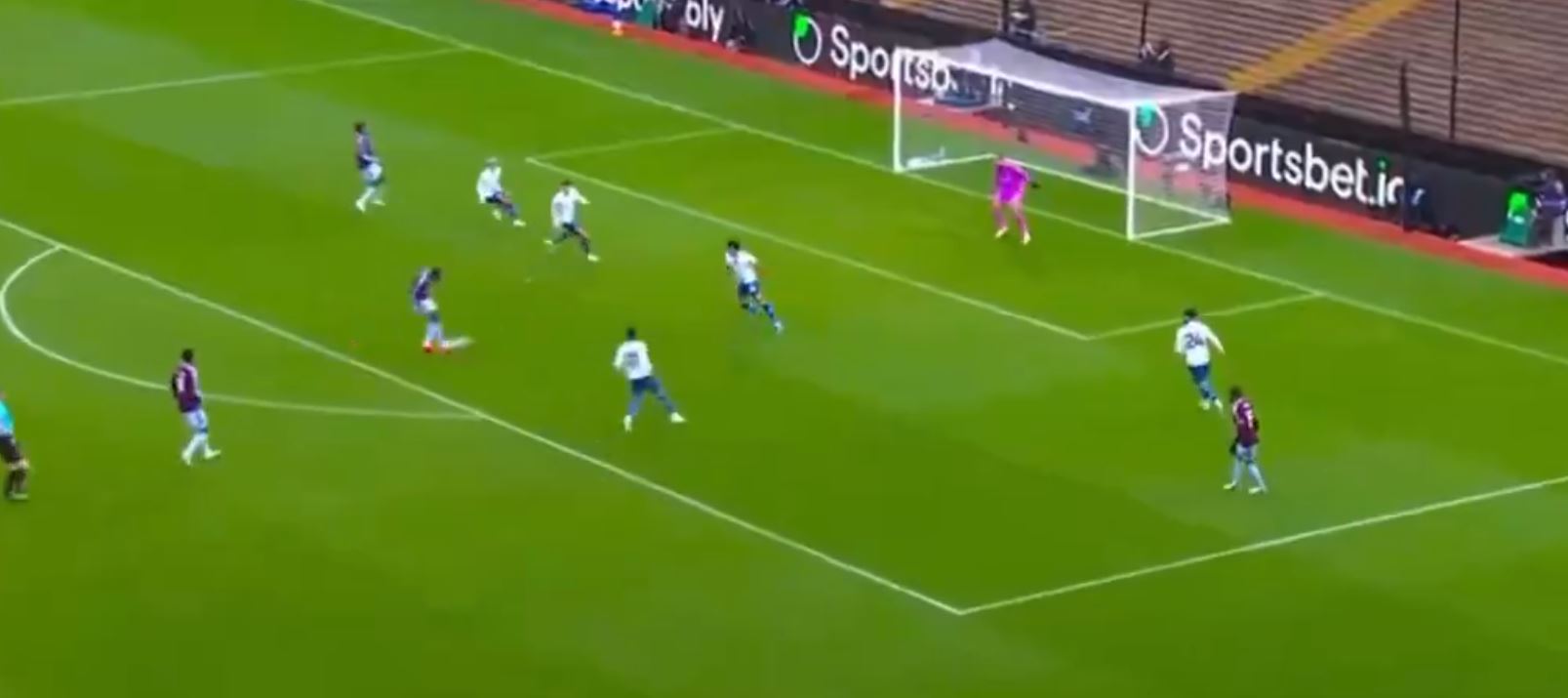
Among them were his hold-up play and link-up play with his back to goal. Jackson’s second goal against City offered a clear example of those qualities:
Jackson pinned his marker, showing physical strength to secure the ball under pressure.

He lifted a delicate pass into the path of the surging Ibrahim Mbaye.


Rather than admiring his pass, Jackson continued his run straight into the penalty area.

Meeting Mbaye’s cutback, he dispatched a ruthless first-time finish.
Final Thoughts
Jackson’s journey from Villarreal to Villa Park highlights the profound impact of trust and tactical clarity. Under Emery’s meticulous coaching, the Senegalese international has evolved from a raw, chaotic speedster into a disciplined, multifaceted focal point.
In replacing Watkins, Jackson has added a direct, terrifying dimension to Villa's attack. If this early-season form is any indication, the Emery-Jackson partnership is set to terrorise Premier League defenses for a long time to come.