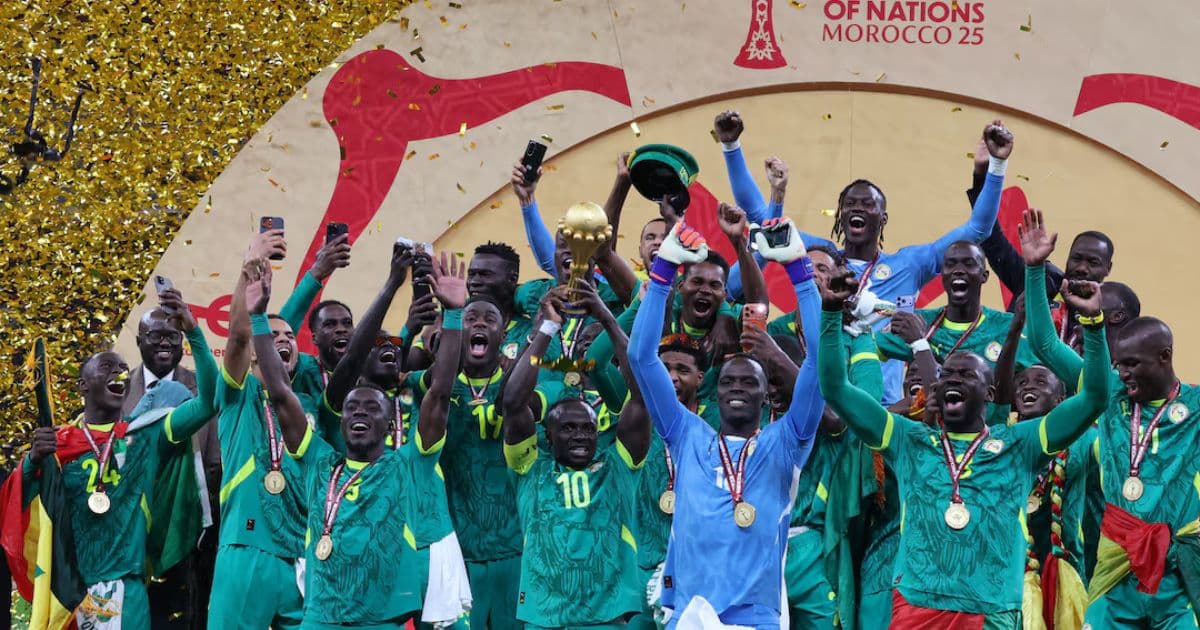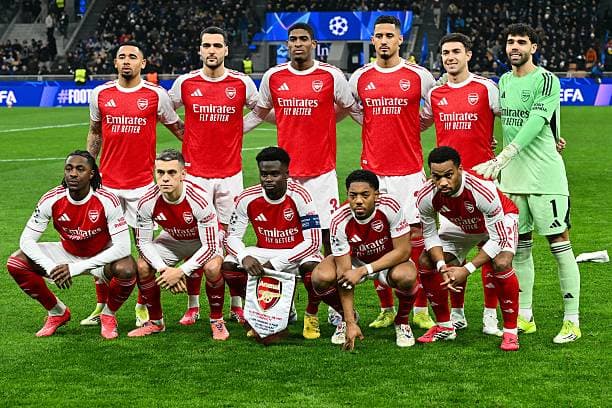
AFCON football has undergone a quiet but significant transformation over the last decade. What was once seen as a tournament defined by physicality and individual brilliance has evolved into one of the most tactically diverse competitions in world football. AFCON 2025 is expected to show the most advanced tactical landscape the tournament has ever seen.
Pressing and Shape Control Take Centre Stage
Modern African teams now adopt pressing structures that mirror top European clubs. Morocco and Senegal lead this shift, using aggressive mid-blocks paired with rapid transition play. Morocco attempt to funnel opponents into predefined zones, while Senegal rely on compact spacing that shuts down central progression.
Even sides once considered tactically unpredictable are modernising. Nigeria have experimented with hybrid full back roles, allowing them to overload the left side in possession. Ivory Coast now build through short passing networks rather than long, direct routes.
The Rise of Data-Driven Coaching Across Africa
A new generation of African coaches embrace analytics, GPS tracking and structured periodisation. This has led to better game management, more effective substitutions, and clearer tactical identities. Teams are no longer entering AFCON with raw talent alone. They arrive with detailed match plans.
This tactical evolution is narrowing the gap between favourites and underdogs. Smaller nations with disciplined structures can now frustrate elite teams for long periods. The 2025 edition is expected to produce some of the tightest, most strategic matches in tournament history.
AFCON is no longer simply a stage for passion. It is becoming a masterclass in strategy.
Join The Conversation, The Ultimate Football Community, Striver.Football
For now, though, the outlook is positive. And for a tournament defined by rhythm, identity and narrative, these three returns add further depth to an already compelling landscape. With that in mind make sure you’re part of the conversation at JoinStriver.com