Football loves a dramatic storyline, but nothing shakes the sport quite like a crisis involving its ultimate competitive machine.
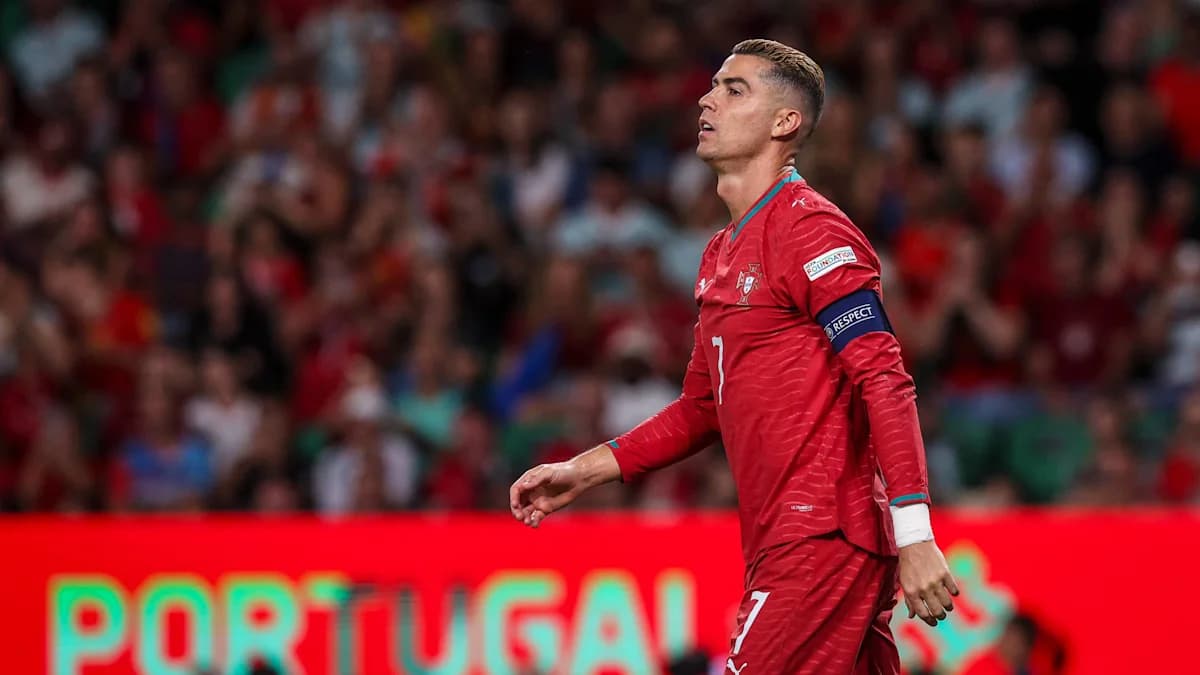
The headlines across Lisbon have centered on an internal earthquake: a high-stakes "crisis" meeting between 41-year-old captain Cristiano Ronaldo and new head coach Jorge Jesus.
For two decades, the script has been simple: Ronaldo plays, Ronaldo starts, and Ronaldo dictates the rhythm. But as the friction in Oslo proved, even the immortals eventually have to face the ticking clock.
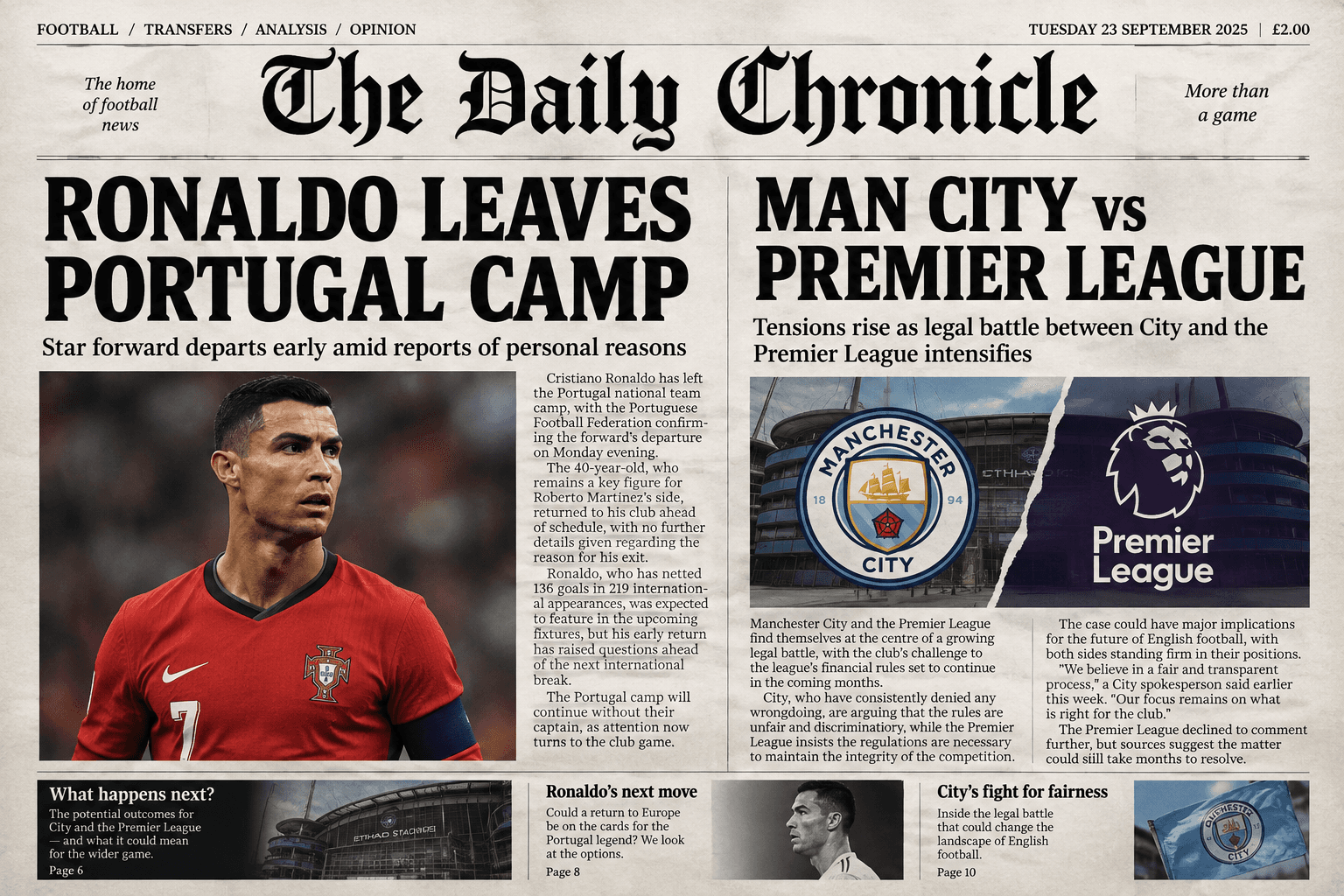
Why Did Cristiano Ronaldo Leave Portugal's Training Camp?
Under new manager Jorge Jesus—who previously coached the forward at Al Nassr—Portugal opened their Nations League campaign with strong wins over Wales, Norway and Denmark. Yet, behind closed doors, a storm was brewing.
In the 1-0 win over Wales, Ronaldo was subbed off in the 65th minute after failing to convert seven shots.
Jesus defended the move publicly, pointing to the need for fresh legs and high-press energy. But the real breaking point came three days later against Norway.
Ronaldo sat on the bench for the entire 90 minutes, reportedly just the third time in his international career that he had been an unused substitute in a competitive match.
Frustrated and visibly irritated, Ronaldo bypassed his teammates at the final whistle, heading straight down the tunnel instead of acknowledging the traveling Portuguese supporters.
Silence followed: no training sessions on Monday or Tuesday, intense media panic splashed across front pages like A Bola, and whispers of an emergency air-clearing summit with Jesus and FPF president Pedro Proenca.
While the federation insists it was a routine, respectful conversation rather than a crisis meeting, the reality is clear: the friction between an aging legend's competitive fire and a manager's tactical pragmatism has finally boiled over.
Read More: Cristiano Ronaldo Retirement: Why His Portugal Career Could End At Estadio Jose Alvalade
Jorge Jesus' Cristiano Ronaldo Dilemma
Jorge Jesus finds himself walking a tightrope. He shares a deep mutual respect with Ronaldo, a bond built on their successful stint together in Saudi Arabia.
Yet, Jesus is pragmatic. As he bluntly noted after the Norway match: "Whether we like it or not, Cris isn’t like Joao Neves, who is 20 and can play every three days."
For years, successive managers from Fernando Santos benching him at the 2022 World Cup to Roberto Martinez leaning heavily on him through Euro 2024 have wrestled with how to phase out a living god without breaking the team's morale.
Ronaldo himself admitted before the break that he feels the external noise, accusing critics of trying to push him out "with a shotgun."
Yet, with 234 caps and 146 international goals, his hunger remains unmatched. The question is whether modern international football will allow a 41-year-old to dictate his own exit.
What Young Players Can Learn From Ronaldo's Portugal Crisis
For young ballers watching this drama unfold from the grassroots to academy levels, there are massive life and career takeaways hiding behind the headlines:
1. Ego vs. Evolution: Even the greatest player in history has to adapt as his body changes. Knowing when to accept squad rotation is just as important as knowing how to score.
2. The Danger of Entitlement: Never let your past achievements blind you to present standards. Team success always supersedes individual milestones.
3. Handling Frustration Professionally: How you react to being benched—whether you storm down the tunnel or support your teammates from the touchline—defines your true character in the dressing room.
4. Controlling Your Narrative: External critics will always try to noise up your downfall. Stay grounded, protect your inner circle, and let your work ethic speak for itself.