With just few days remaining until the opening whistle in Doha, the FIFA U-17 World Cup is already generating excitement among fans, pundits and journalists.
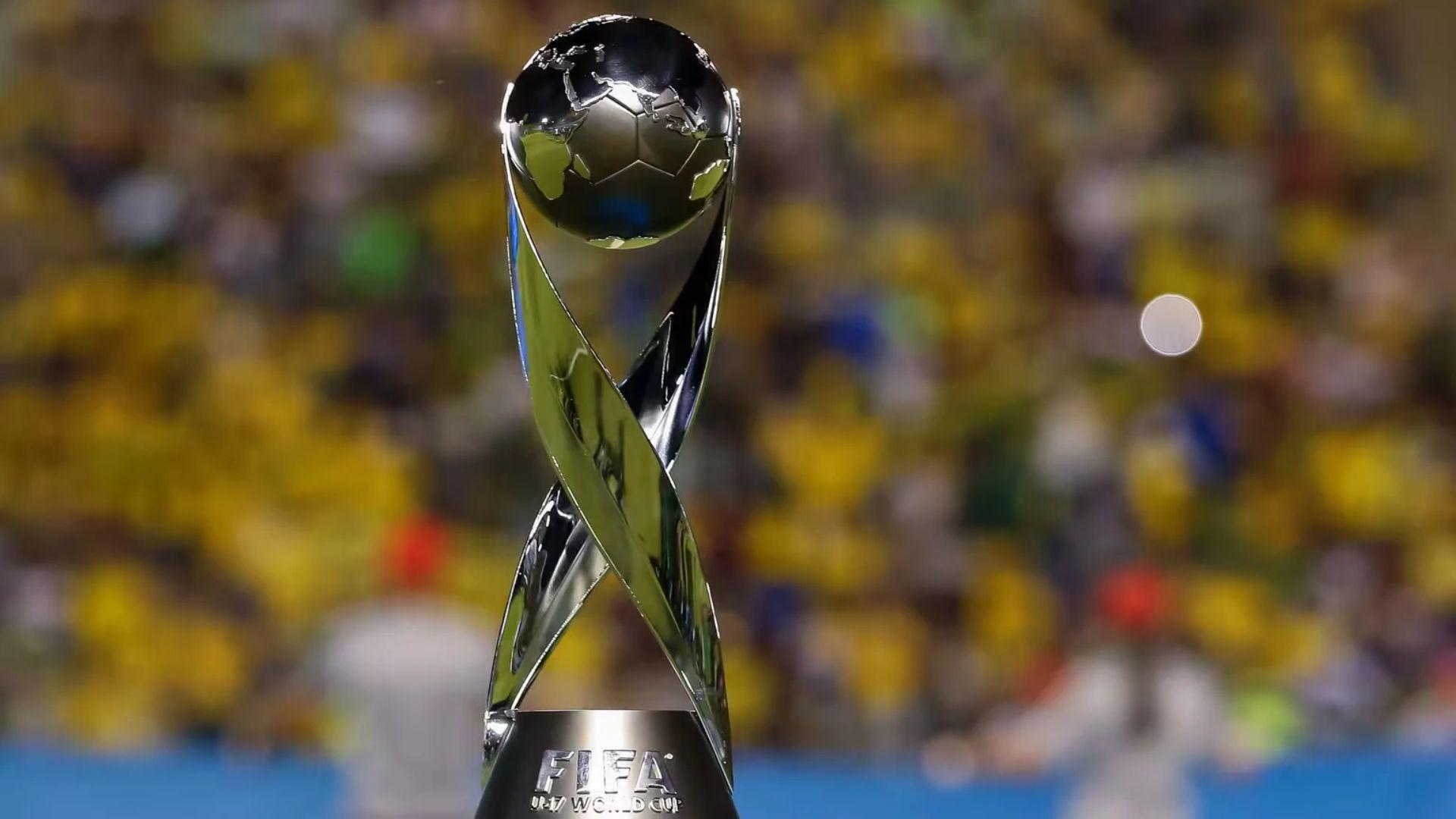
Running from November 19 to December 13, 2026, the FIFA U-17 World Cup will bring together 48 nations, including eight debutants, for 104 matches of youth international football.
Striver.Football brings you the complete guide to everything you need to know ahead of kickoff.
FIFA U-17 World Cup 2026: Dates, host city and venues
The tournament unfolds across 25 days in the Aspire Zone complex in Al Rayyan, Doha. Every group-stage fixture and early knockout round will be held at the multi-pitch Aspire Zone facility, allowing scouts, fans, and media to watch multiple simultaneous matches in one compact location.
The final will take place at Ahmad Bin Ali Stadium on December 13, 2026.
FIFA U-17 World Cup 2026 format explained
Following the expansion to 48 teams in 2025, the FIFA U-17 World Cup now takes place annually, with Qatar hosting each edition through 2029.
The 48 qualified nations are divided into 12 groups of four, with each team playing three group-stage matches between November 19 and November 27.
Qualification for the 32-team knockout stage rewards consistency across the group phase. The top two finishers in each of the 12 groups will advance automatically, joined by the eight best third-placed teams across the tournament.
From the Round of 32 onwards, the tournament will follow a single-elimination format, with matches level after 90 minutes going straight to a penalty shootout without extra time.
African teams and debutants at the 2026 U-17 World Cup
Africa arrives in Doha with 10 representatives, led by 2026 CAF U-17 Africa Cup of Nations champions Senegal and runners-up Tanzania, alongside established youth contenders such as Morocco.
Tanzania’s qualification marks a historic milestone. Making their first-ever appearance at the FIFA U-17 World Cup, the Serengeti Boys enter Group I alongside four-time champions Brazil, the Republic of Ireland and Costa Rica, with U-17 AFCON standout Issa Chole and Golden Boot winner Dismas Shida Athanasi among their players to watch.
Elsewhere, seven other nations - the Dominican Republic, Greece, Montenegro, Mozambique, Romania, Serbia and Vietnam – will also make their FIFA U-17 World Cup debuts in Qatar.
Young players and storylines to watch at the 2026 U-17 World Cup
The 2026 FIFA U-17 World Cup features a number of teenagers who have already made their mark in senior club football.
In Group C, 17-year-old playmaker Giovanni Baroni, a young playmaker who has already established himself in Club Atletico Talleres’ senior side, wears the iconic No. 10 shirt as Argentina pursue their elusive first-ever U-17 World Cup title against a clinical Denmark side led by PSV Eindhoven striker Mikkel Bro Hansen.
In Group I, Palmeiras prodigy Eduardo Conceicao and Flamengo forward Joao Vitor Couto headline a star-studded Brazil squad chasing a fifth crown.
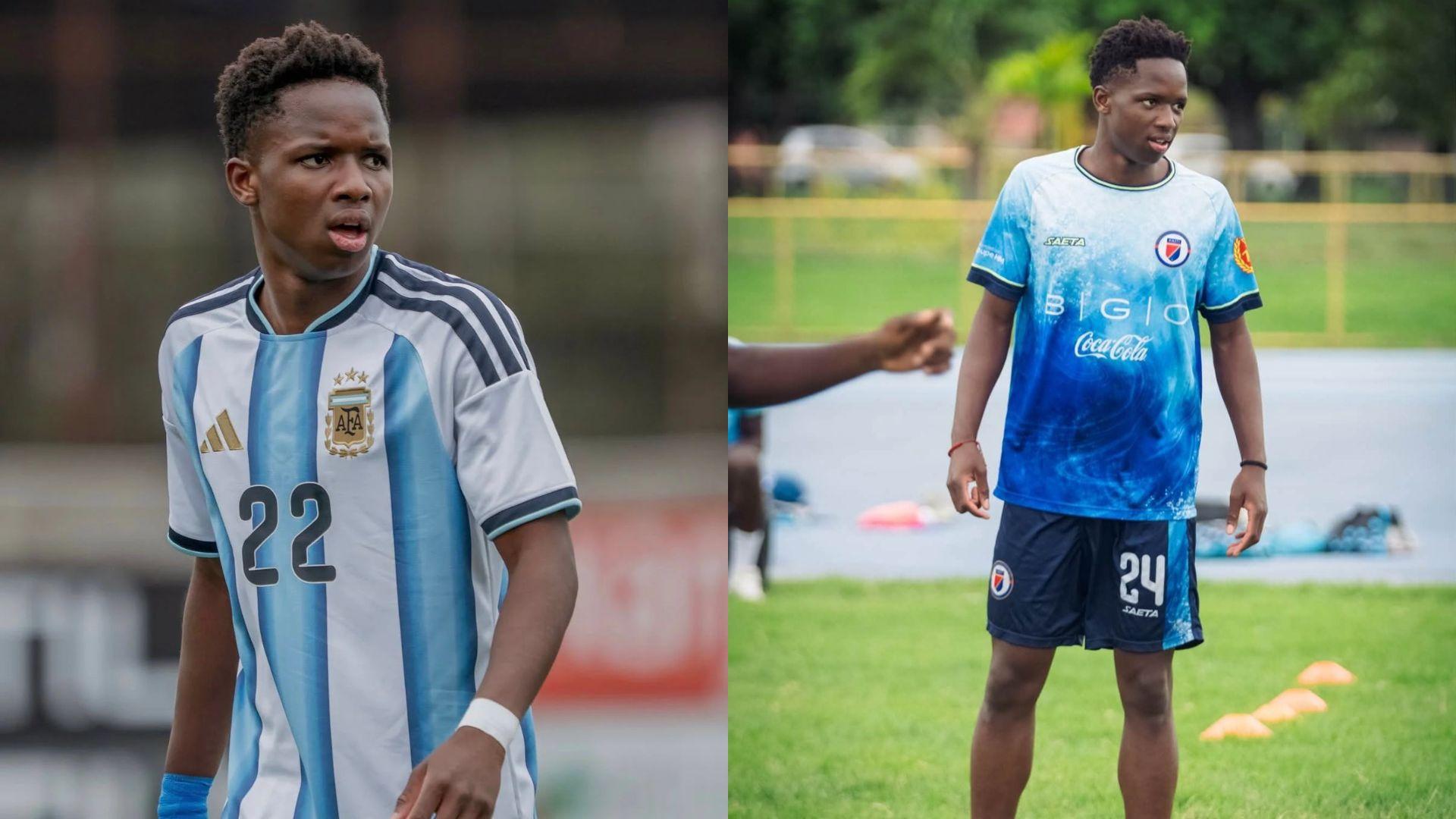
Meanwhile, European champions Spain lean on Barcelona midfielder Ebrima Tunkara in Group H, Japan deploy J.League-tested MVP Maki Kitahara in Group L, and Haiti unleash former Velez Sarsfield academy striker Stephen "Kiki" Ramos following his high-profile international switch from Argentina in Group D.
The expanded 48-team format and complete groups
Following FIFA’s transition to an annual 48-team U-17 tournament cycle hosted in Qatar through 2029, the competition mirrors the expanded senior World Cup format.
Drawn at the Home of FIFA on May 21, the 48 qualified nations are divided into 12 groups of four teams, playing a single round-robin across three matchdays:
Group A: Qatar, Panama, Egypt, Greece
Group B: Korea Republic, Uganda, New Caledonia, Ecuador
Group C: Argentina, Australia, Mozambique, Denmark
Group D: France, Haiti, Saudi Arabia, Uruguay
Group E: Italy, Jamaica, Côte d'Ivoire, Uzbekistan
Group F: Senegal, Croatia, Cuba, Tajikistan
Group G: Mali, New Zealand, Belgium, Vietnam
Group H: Spain, China PR, Fiji, Morocco
Group I: Brazil, Republic of Ireland, Tanzania, Costa Rica
Group J: Dominican Republic (Replaced USA) , Montenegro, Chile, Algeria
Group K: Mexico, Romania, Cameroon, Venezuela
Group L: Japan, Colombia, Serbia, Honduras
Progression into the 32-team knockout bracket rewards consistency and front-foot football. The top two finishers in each of the 12 groups advance automatically, joined by the eight best third-placed teams across the tournament.
From the Round of 32 onward, every tie is decided in a single-elimination format, going straight to a penalty shootout without extra time if scores are level after 90 minutes.
FIFA U-17 World Cup 2026 tickets: Prices and how to buy
Tickets are on general sale at fifa.com/tickets (with Visa serving as FIFA's preferred payment partner). Designed for supporters wanting to soak up multiple games in a single visit, Day Passes start at QAR 20, granting general first-come, first-served access to six Aspire Zone pitches (Pitches 1, 3, 4, 5, 8, and 9) alongside cultural and entertainment activities in the Fan Zone.
Prime Match Passes are priced at QAR 35 (7 GBP), adding a reserved seat on the two main show pitches (Pitch 2 or Pitch 7).
For the December 13 final at Khalifa International Stadium, tickets are priced at QAR 35 (7 GBP) for Category 1 and QAR 15 (3 GBP) for Category 2, with accessibility tickets also available at QAR 20 for matchdays and QAR 15 for the final (including accessible parking and a complimentary companion pass).
Where to watch the FIFA U-17 World Cup 2026
Fans in the United Kingdom can watch every match free on FIFA+, while viewers in the United States have full English and Spanish television and streaming coverage via FOX Sports and Telemundo/Peacock.
Across the rest of the world, FIFA+ and DAZN serve as the primary global streaming hubs alongside regional broadcast partners.