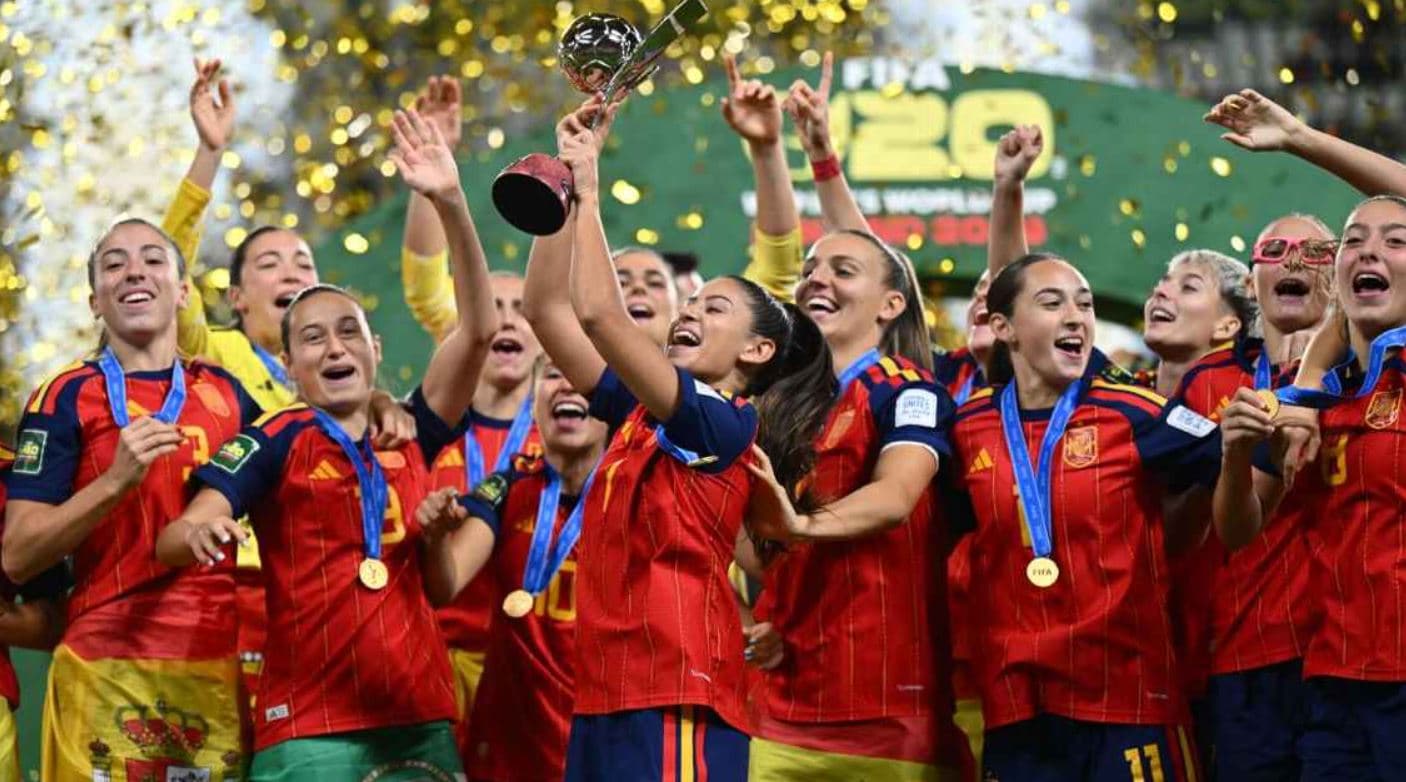

Stepping onto the global stage for the first time brings equal parts opportunity and exposure. At the FIFA U-20 Women's World Cup, first-time nations face a steep jump in tactical intensity, physical conditioning, and tournament pressure.
With six debutants, Benin, Ecuador, New Caledonia, Poland, Portugal, and Tanzania preparing to make history at Poland 2026, Striver.Football looks back at how previous first-timers performed on their maiden appearance—and rate their impact on a scale from 1 to 10.
9.0 to 10/10 — North Korea (2006), China (2004), Canada (2004)
When elite youth structures align, debutants can dominate at the first time of asking. That was the exact case for North Korea in 2006, China in 2004 and Canada in 2002.
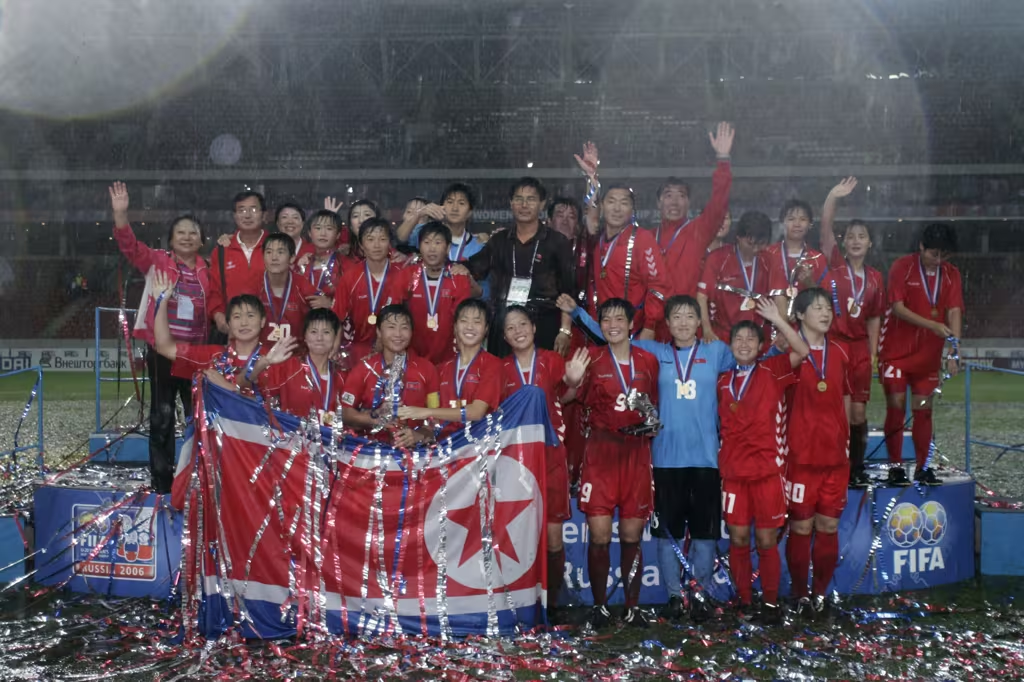
North Korea earned a 10/10 rating from us considering they made the most explosive debut in FIFA history.They arrived in Russia 2006 with ruthless discipline, sweeping through the tournament and crushing China PR 5–0 in the final.
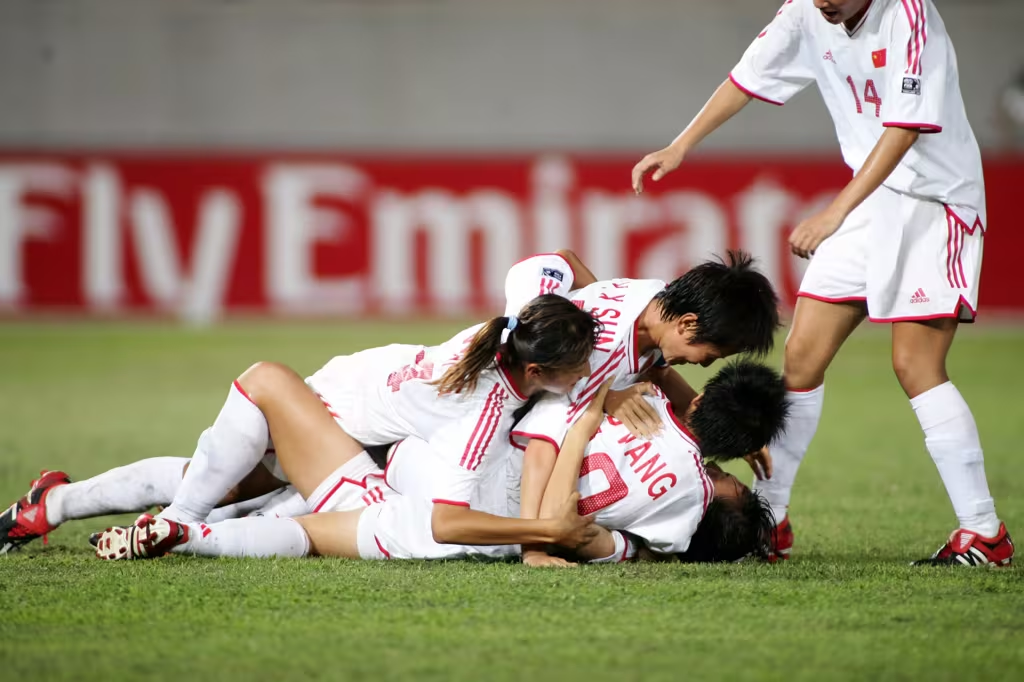
In 2004, China were runners up at the very first time of asking, earning a 9.5 rating from us. At Thailand 2004, China’s technical precision carried them past Canada and Brazil into the final, establishing themselves as an instant global heavyweight.
Canada were also runners up two seasons before, earning a 9.0 rating from us. Hosting the inaugural tournament in 2002, Canada rode a 10-goal masterclass from Christine Sinclair to reach the final, falling only to a golden goal against the USA.
8.0 to 8.5/10 — Colombia (2004), Germany (2004)
These debutants proved that tactical preparation and fearless energy can disrupt established power dynamics. The Colombia side at the 2010 edition in Germany earned a 8.5/10 (4th Place rating from us.
The South Americans stunned Sweden in the quarter-finals before pushing Nigeria to the brink in a narrow 1–0 semi-final loss. The Netherlands side of 2018 earns a 8.0/10 rating from us.

Built on structural clarity and technical composure, the Dutch won key group games against Ghana and New Zealand before taking an early lead against England in a 2–1 quarter-final exit.
7.0 to 7.5/10 — Cameroon (2024), Austria (2004)
These sides earned a 7.0-7.5 rating out of us due to their solid, disciplined performances that inspired future generations at home.
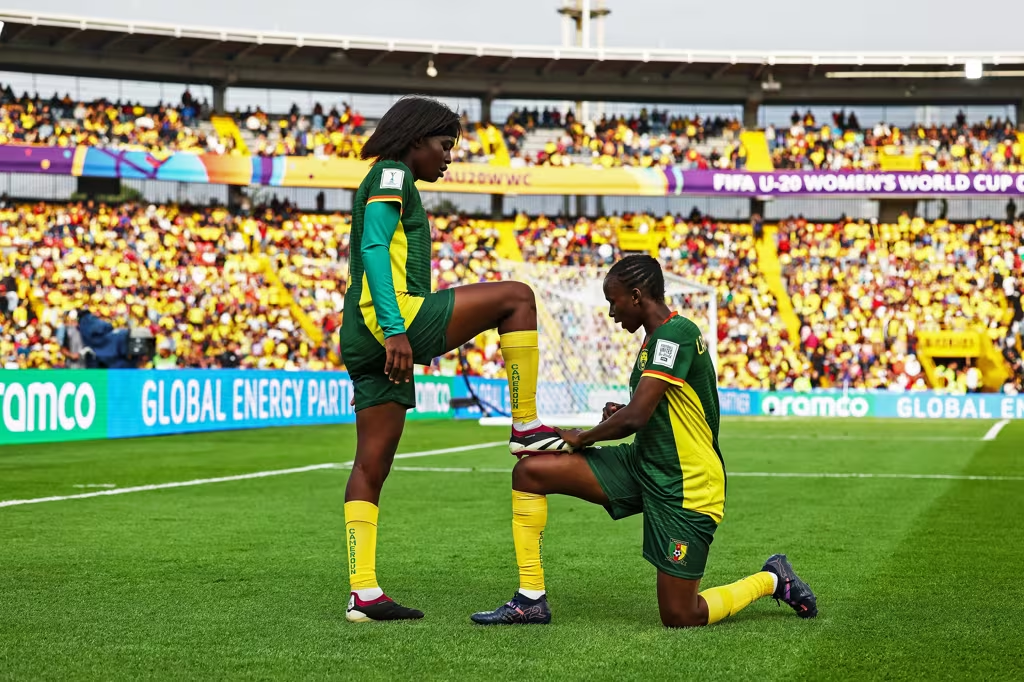
The Cameroon side of 2024 earned a rating of 7.5/10 from us. They played with a lot of belief spearheaded by captain Naomi Eto, who scored four goals to lead them out of the group, taking South American giants Brazil to extra time in a thrilling 3–1 Round of 16 clash.
At the same tournament, Austria secured impressive group stage victories over Ghana and New Zealand in their maiden FIFA tournament before falling to eventual champions Korea DPR, earning a 7.0 rating from us.
2.0 to 3.0/10 — Morocco (2024), Fiji (2004)
When grassroots development lacks elite tournament preparation, the global stage can prove unforgiving.
Both Morocco and Fiji, who made their debuts at the 2024 tournament in Colombia, earn only 3.0/10 ratings from us due to their unsurprising group stage exits.
Both nations struggled with tournament pacing in Colombia, exiting with zero points. Fiji notably conceded 29 goals across three group games, illustrating the massive gap in international preparation.
Papua New Guinea (2016) — Rating: 1.0/10 (Group Stage Exits):
As hosts in 2016, PNG suffered three heavy defeats, conceding 22 goals without scoring, highlighting the need for sustained youth investment prior to major tournaments.
What It Means for Poland 2026
The six debutants that will be taking part in the competition in Poland must show physical readiness and defensive structure to survive the opening 20 minutes of international football.
As Tanzania and Benin step onto the pitch in Bielsko-Biała and Katowice this September, they carry the dreams of an expanding football landscape, where fearless play can change a nation's sporting story overnight.