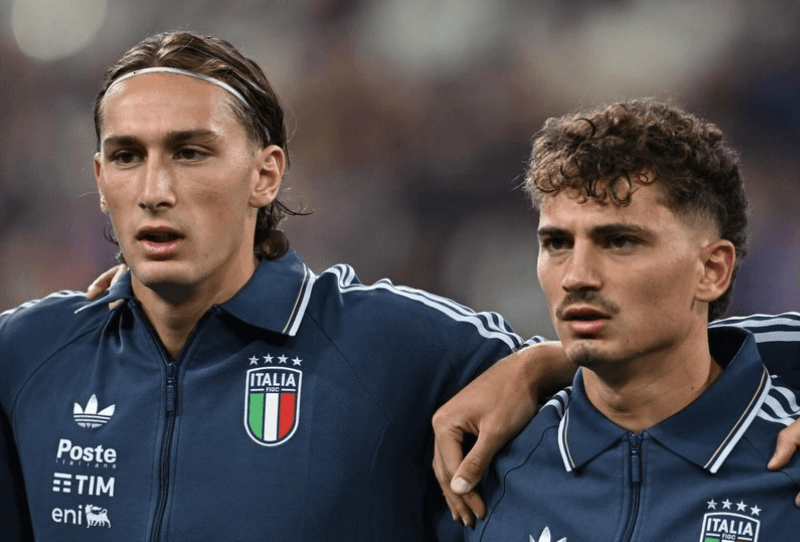
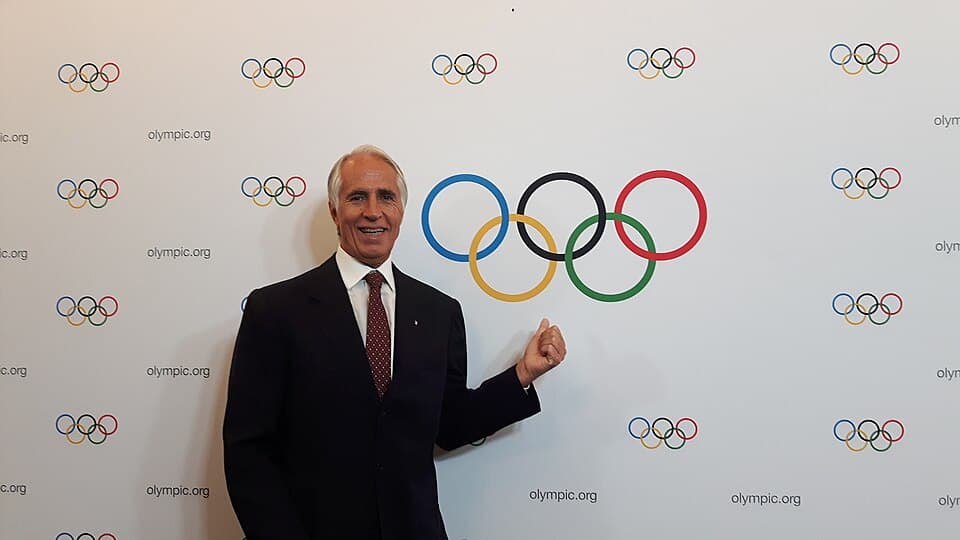
Giovanni Malago will oversee the Italian Football Federation (FIGC) as extraordinary commissioner after the Italian Olympic Committee (CONI) placed the federation under administration following questions over the legitimacy of his election as president.
CONI's Giunta Nazionale approved the move unanimously before its Consiglio Nazionale ratified the decision later that same day. New FIGC elections must be held by January 31, 2027.
Malago did not vote in the Giunta, where he sits as an International Olympic Committee member. Sky Sport Italia reported that the proposal passed 15-0. CONI president Luciano Buonfiglio put forward the plan after meeting Malagò before the session.
In a statement published by the FIGC, Malago said he accepted the role in a spirit of service and that the decision closed "a long and complex" dispute. He added that attention should now turn to football's real priorities.
Buonfiglio described Malago as the victim of a “malfunction”, according to remarks reported by LaPresse.
Why Was the FIGC Placed Under Administration?
Malago succeeded Gabriele Gravina, who resigned after Italy failed to qualify for a third consecutive World Cup, losing the European play-off final to Bosnia and Herzegovina on penalties. Malago previously served as CONI president from 2013 to 2025.
He led the organising committee for the Milano-Cortina 2026 Winter Olympics. The issue was Malago's registration. Article 29 of the FIGC statute requires candidates to be in good standing with their membership when they submit their candidacy.
Malago did not hold a FIGC membership card at the time, unlike several of his predecessors, including Abete.
The issue was raised by lawyer Renato Miele, whose own candidacy had been rejected for lacking the required accreditation. On June 24, he appealed to CONI's Collegio di Garanzia, challenging Malago's election and the electoral process.
The FIGC federal prosecutor, Giuseppe Chine, later investigated the registration issue and sought to archive the case. His position was that being "in good standing" did not require a candidate to hold a FIGC membership card when submitting a candidacy.
Instead, it referred to compliance with the registration requirements for people already registered with the federation.
The Sports Prosecutor General rejected the request for archiving on September 8 and asked for further clarification on the investigation.
The case was later archived on September 14, with the matter referred to CONI to examine whether FIGC had breached its governing principles during the election process.
What Changes for the FIGC and When Will the New Election Be Held?
Under the FIGC statute, the president's removal also results in the dissolution of the Federal Council, Il Giornale d'Italia reported. The existing bodies remain in place for ordinary administration, while Malago takes over as commissioner.
CONI has set January 31, 2027, as the deadline for new elections. Malago said the new FIGC elections will be convened for December 14, 2026, with the new vote required to take place no later than January 31, 2027. The new election is intended to restore the FIGC's elected offices.
CONI's official communique says the extraordinary assembly must restore the federation's offices "in a context of full legality" and in compliance with its rules.
Malago was elected in June for a four-year term, but the new election will determine the FIGC's next elected leadership after CONI placed the federation under extraordinary administration.
How UEFA, the Italian Government and Serie A Responded
UEFA president Aleksander Ceferin told La Gazzetta dello Sport that FIFA and UEFA have consistently defended the autonomy of national federations.
"Any political interference could undermine the trust of UEFA and other partners," Ceferin said. He added that Italy has a particular responsibility as a co-host of Euro 2032. He declined to comment on hypothetical scenarios.
Sports minister Andrea Abodi said before the vote that the commissioner question was neither a personal nor a political matter. He also said coach Roberto Mancini's position was not tied to Malagò's.
Serie A, which backed Malagò's candidacy, distanced itself from the legal dispute on the eve of the decision and called a commissioner arrangement inappropriate.
The article should clarify whether the Sports Prosecutor General's office, FIGC or CONI has addressed the status of decisions taken by Malagò during his presidency following the move to extraordinary administration.