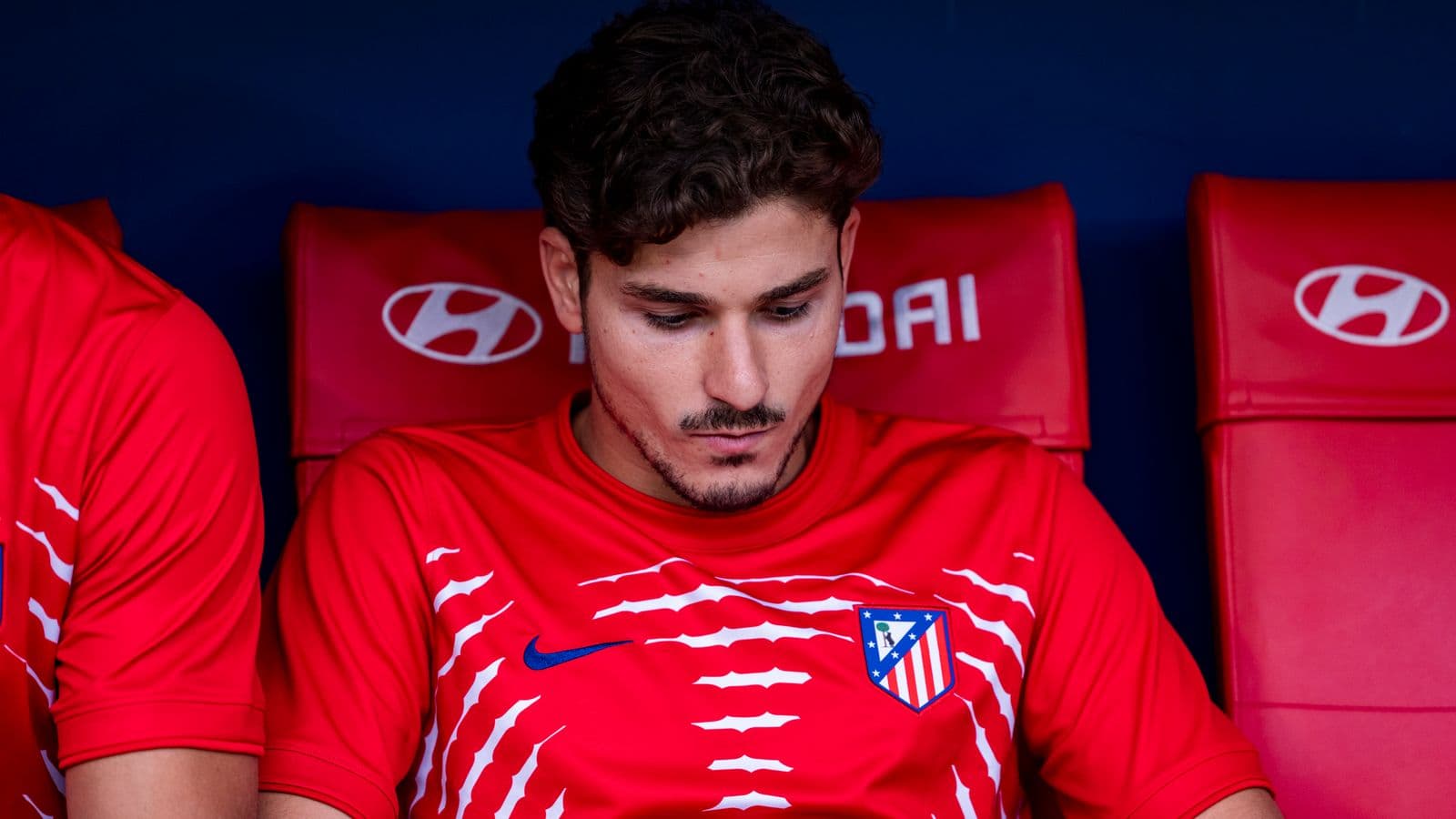
The 2026 summer transfer window closed with one of the most toxic, high-stakes sagas in recent European football history left unresolved as Julian Alvarez remains an Atletico Madrid player.
Despite a public fallout, hostility from his own supporters, and intense interest from both Barcelona and Arsenal, the 26-year-old Argentina international did not get his desired exit.
According to extensive reporting by The Athletic, the saga involved accusations of disgusting behavior fake social media posts, a €500m (£416 ) release clause, and a late intervention from Mikel Arteta.
Here is the definitive breakdown of how the summer unfolded, why the move collapsed, and what it means for modern football recruitment.
Read More: Revealed: Why Arsenal Chose Against Signing Anyone on Transfer Deadline Day
Origin: Alvarez Gets Embroiled in Tactical Friction With Simeone
Alvarez’s move from Manchester City to Atletico in 2024 for €95m (£82m) yielded 29 goals in his debut season.
However, his second campaign saw a steep drop in domestic form (10 La Liga goals in 33 games), alongside growing friction with manager Diego Simeone over his tactical role.
As early as July 2025, Alvarez’s agent, Fernando Hidalgo, publicly teased a dream move to Barcelona, citing Alvarez’s childhood admiration for Lionel Messi.
During the 2026 World Cup in June, Alvarez broke silence in Dallas, stating to ESPN that "a transfer is the best thing for everyone”. And that he intended to “fulfill my dream."
Atletico hierarchy had privately informed Alvarez’s camp that he could leave for €150m, provided the deal was finalised by July 20. Barcelona failed to meet that threshold.
A month earlier, Real Madrid had also made a bid for Alvarez after Florentino Perez had won reelection, but Atletico dismissed it outright, arguing on their Twitter feed that their cross-city rivals “made us laugh even more than Barcelona”, an early indicator of their refusal to bulge at Barcelona’s attempts.
Read More: Atletico Madrid Refuse to Sell Julian Alvarez to Barcelona: What Does It Mean for Arsenal?
Barcelona’s Failed Bid Attempts
Barcelona made Alvarez their primary target to rebuild their frontline following Robert Lewandowski’s departure and Ferran Torres’s €50m move to PSG. However, Camp Nou’s approach sparked severe friction with the Atlético board.
In late May, Barcelona submitted an opening proposal worth €100m structured across six annual installments. Barcelona viewed this as a fair opening negotiation point, but Atletico dismissed it, considering it disrespectful.
Barca President Joan Laporta publicly stated that big clubs should not keep unhappy players, prompting Atletico CEO Miguel Angel Gil Marín to accuse Barcelona of belittling their club and attempting to force a deal they could not afford.
On July 30, Atletico formally reported Barcelona to the Spanish FA over their conduct. With Atletico insisting on their €150m valuation and refusing to negotiate further, Barcelona never submitted an improved bid, eventually turning to Arsenal’s Gabriel Jesus on deadline day for €14.5m.
Arsenal Spot an Opportunity
With relations between Madrid and Catalonia completely broken, Arsenal emerged as a viable alternative. Mikel Arteta identified Alvarez as a world-class attacker capable of elevating the Premier League champions' frontline.
Arteta held a personal phone call with Alvarez to outline his vision. The hostile reception Alvarez received from his own fans during a 2-2 draw against Villarreal, where supporters chanted "Mercenaries no" and whistled him down the tunnel, temporarily opened the door to a London move.
However, Alvarez remained single-mindedly focused on Barcelona. Arteta, maintaining his strict transfer principle of only signing players who view Arsenal as their absolute priority, chose not to submit a formal bid when it became clear the player was holding out for Camp Nou.
Alvarez Stays Put in the End
Atletico held the ultimate leverage: a contract running until June 2030 protected by a €500m release clause.
Backed by new investment from Apollo Global Management, Atletico refused to be bullied by Barcelona's financial positioning.
While Alvarez missed training sessions late in August citing illness, no official disciplinary action was taken.
CEO Gil Marin publicly expressed sympathy for the player, claiming he was poorly advised, while Simeone has pledged to integrate him back into the squad alongside deadline-day loan arrival Jonathan David.
Key Lessons for Football Industry & Young Players
Contract Structure Dictates Power: A long-term deal with a massive release clause gives the selling club absolute control. Player power vanishes when a club is financially stable and under no pressure to liquidate assets below market valuation.
Public Pressure Can Backfire: Openly demanding a move before a concrete, market-value offer is on the table damages player-fan relationships without guaranteeing a transfer. Once supporters turn, recovering momentum requires elite, consistent performances.
Arteta’s Transfer Creed: Elite managers do not beg players to join their projects. Arsenal’s refusal to chase a player whose heart was elsewhere highlights the importance of cultural alignment in modern squad building.
Never Burn Bridges in Negotiations: Bidding below a valuation with drawn-out installment structures can shut down communication entirely. Barcelona's failure to negotiate formally left them turning to Gabriel Jesus on deadline day.