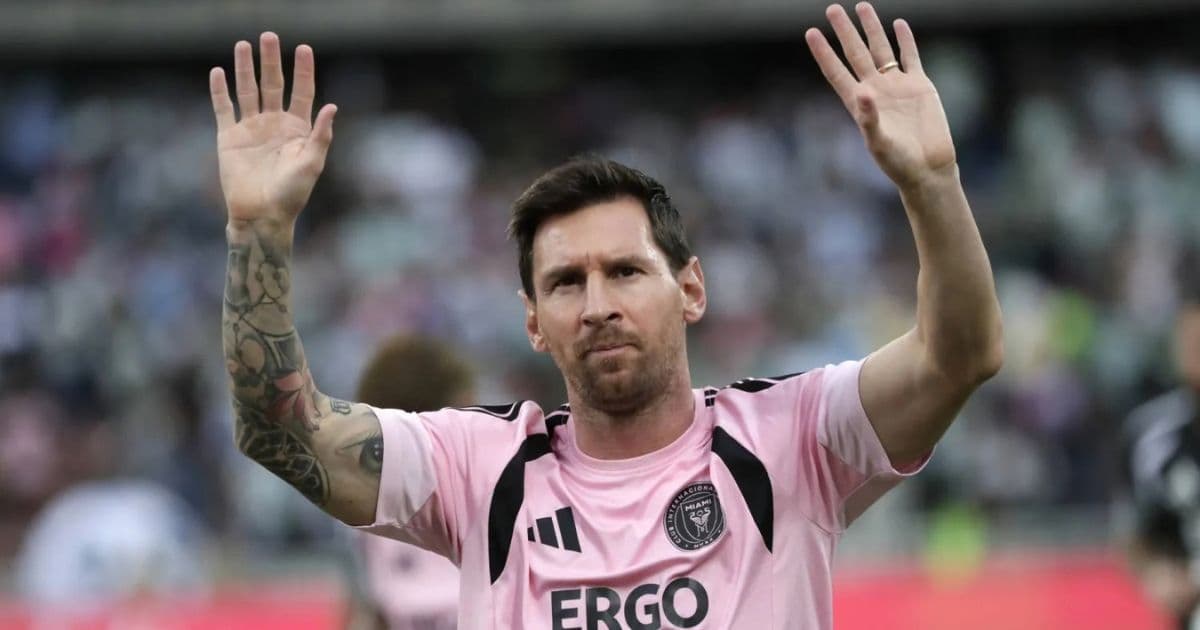
Lionel Messi has officially expanded his football portfolio in Spain after completing the acquisition of Segunda Division side Eldense, subject to regulatory approval.
The Argentina superstar has acquired the Alicante-based club from Colombian investment group Grupo TH, marking his first ownership of a professional football club in Spain.
The deal was confirmed by Eldense on Thursday but remains subject to approval from Spain’s National Sports Council (CSD). If approved, the takeover would begin a new chapter for the club.
What Does Lionel Messi’s Eldense Takeover Mean for the Club?
The acquisition represents another significant step in Messi’s growing involvement in football away from the pitch.
Eldense becomes the first professional Spanish club to come under Messi’s ownership. Earlier this year, he acquired fifth-tier side UE Cornella, making Eldense his first ownership of a Spanish professional club.
Eldense welcomed the arrival of the 39-year-old in a statement outlining plans for a long-term project focused on the club’s sporting, institutional and social development.
“The arrival of one of the most significant figures in sports history into Spanish professional football as the owner of CD Eldense signals the beginning of a long-term project aimed at driving the club’s sporting, institutional, and social development.”
The takeover also marks another ownership change for Eldense within the past 12 months.
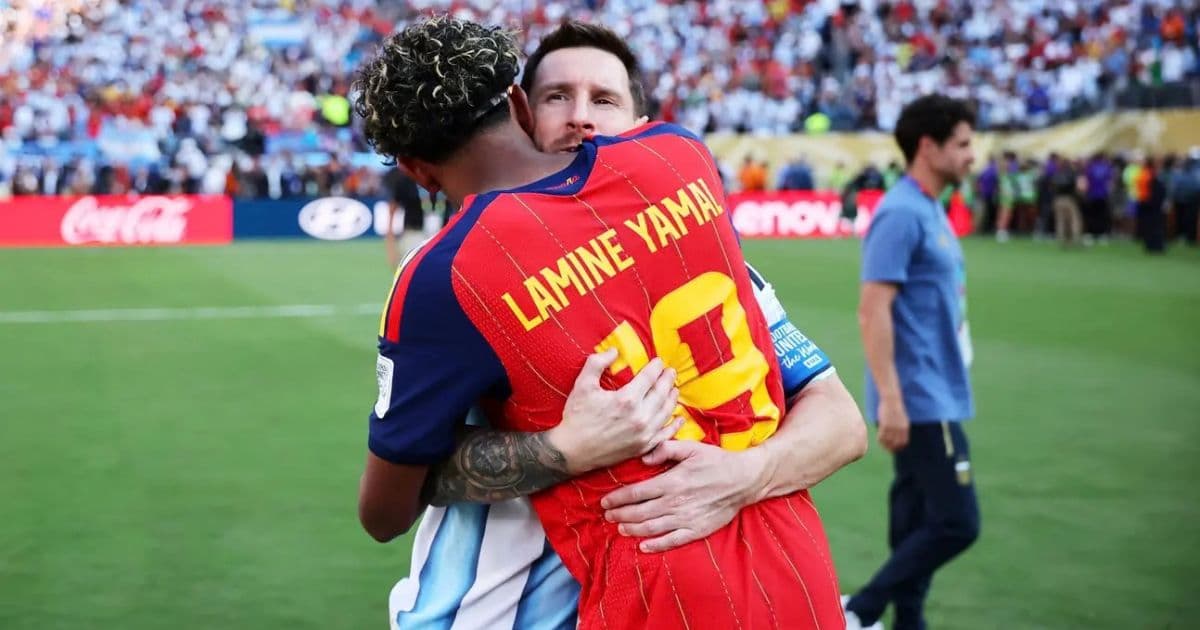
Read More: Adidas Planning Messi and Lamine Yamal Collaboration for 2027
How Eldense Fits Into Lionel Messi’s Growing Football Portfolio
Founded in 1921, Eldense have spent most of their history outside Spain’s top two divisions.
The club currently plays at the 5,776-capacity Estadio Nuevo Pepico Amat in Elda and has experienced a dramatic rise and fall through the Spanish pyramid in recent years.
Eldense returned to the second tier in 2023 for the first time since 1964 before being relegated in 2025. They then secured an immediate return to Segunda Division.
Messi’s football interests now extend beyond Spain, with the Argentine also involved in Uruguayan side Deportivo LSM alongside Inter Miami teammate Luis Suarez.
However, his ownership of both Eldense and Cornella could eventually create a regulatory complication.
The two clubs are currently separated by three divisions, meaning there is no immediate conflict. But should Cornella continue climbing the Spanish football pyramid, their shared ownership could eventually raise regulatory questions if the clubs were to reach the same division.
What Challenges Await Messi and Eldense?
While Messi’s arrival has generated headlines off the pitch, Eldense have an immediate problem to solve on it.
The club endured a difficult opening to the campaign, failing to win any of their first four league matches.
Claudio Barragan was dismissed in September after four matches without a win, with Josep Ferrando initially taking charge on an interim basis.
The immediate priority for Messi’s new club will therefore be securing formal approval from the CSD and continuing to stabilise the team's season.
For Messi, meanwhile, the Eldense takeover marks the beginning of a new chapter in his relationship with Spanish football this time not as a player, but as an owner.