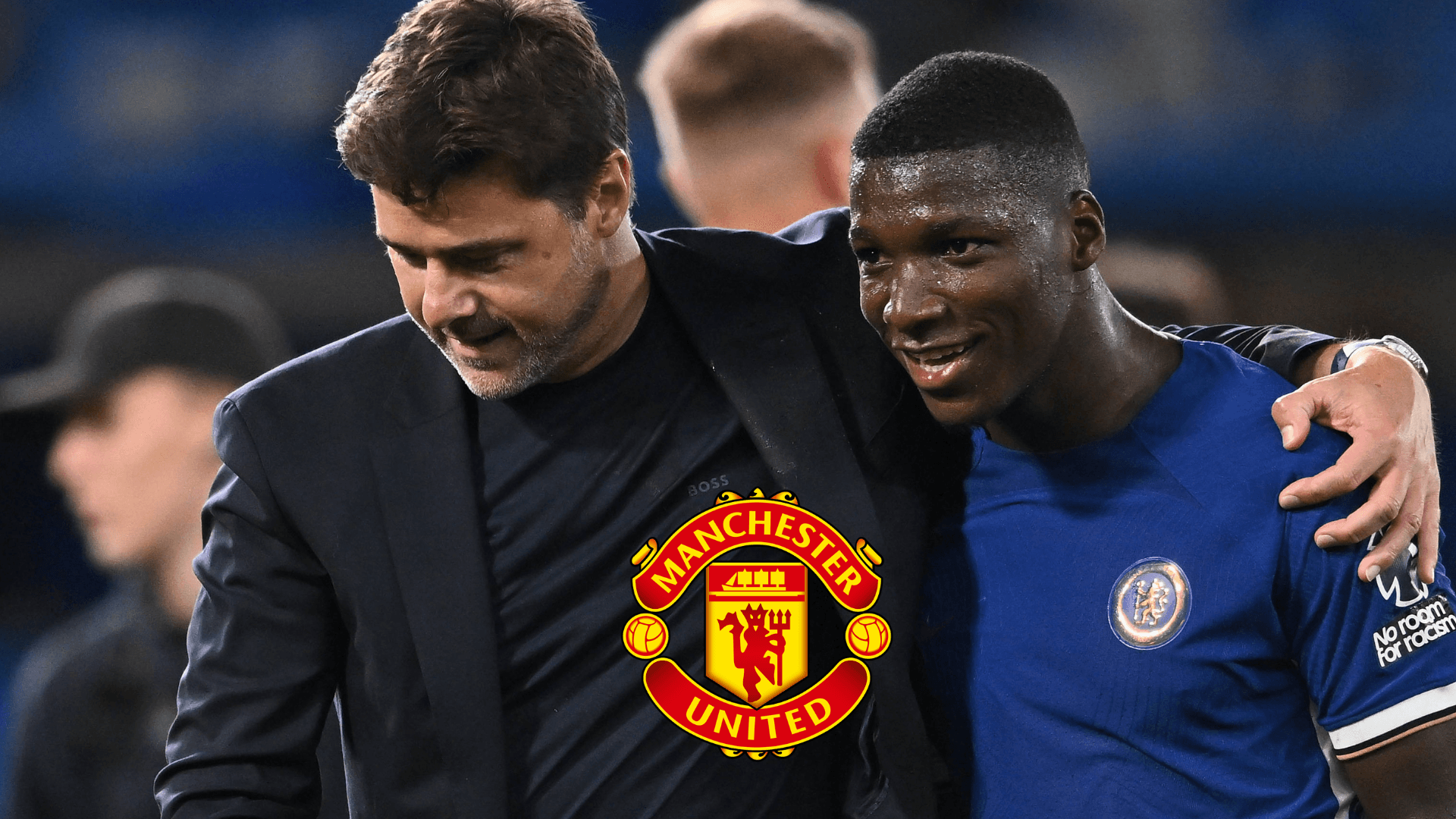
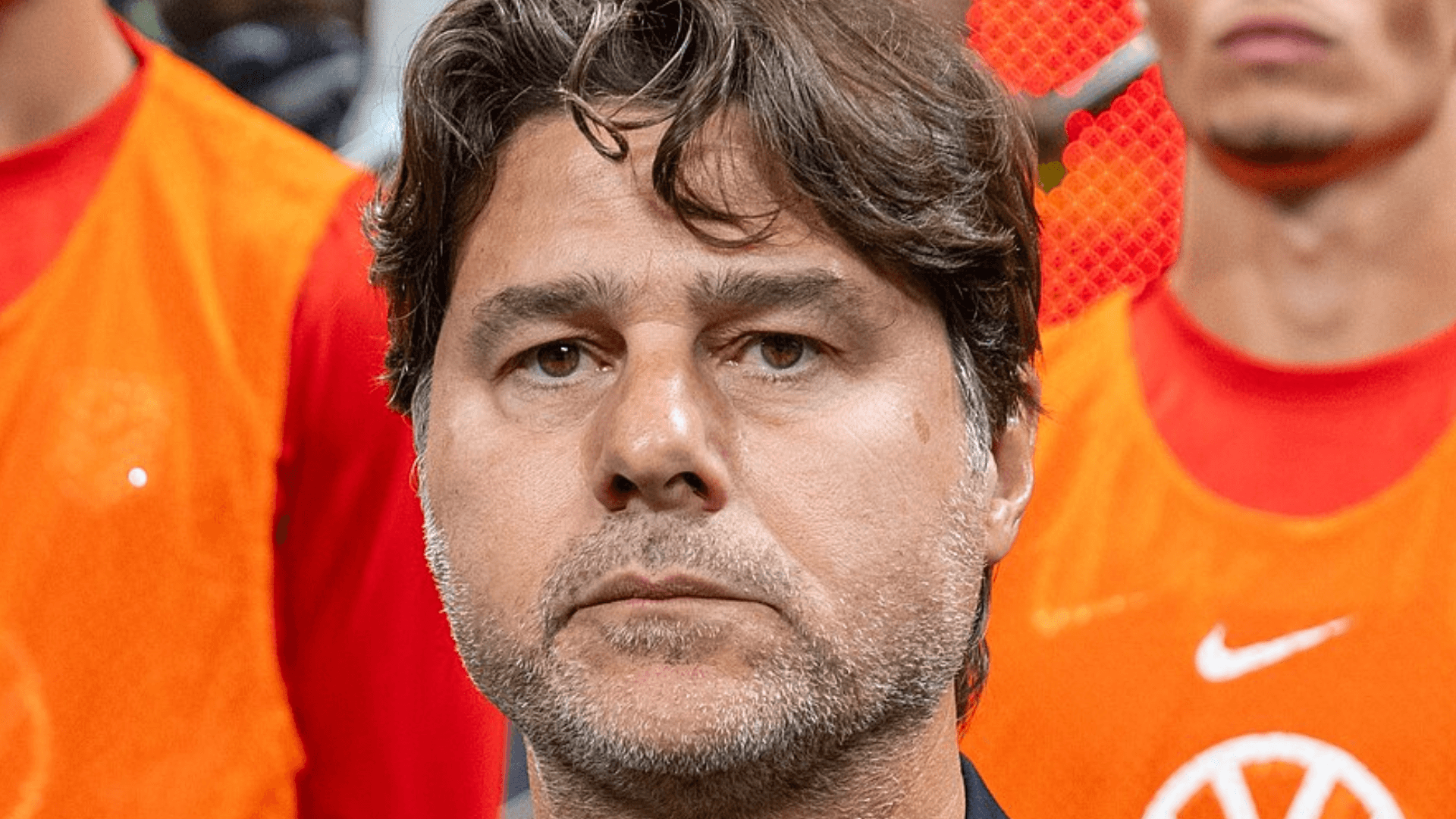
Mauricio Pochettino is set to take over at Manchester United, but there is still a question over what his role would actually look like.
The former Tottenham and Chelsea boss has reportedly agreed to replace Michael Carrick, per David Ornstein. There's question marks over whether he'll be handed a managerial role or a head coach role given INEOS' preference of the latter.
So, what would the difference be? Would Pochettino simply be in charge of the team, or would he also have a say in recruitment and other major football decisions?
It is an important question given the changes INEOS has made to United's football structure. Omar Berrada is the chief executive, while Jason Wilcox is the director of football.
Both have important roles in how the club is run, and their presence could shape the amount of control Pochettino receives.
What Manchester United’s Reporting Says About Pochettino’s Role
Pochettino's potential appointment has been described by some outlets as being United's next 'manager'. Ben Jacobs has also used that description, with Berrada and Wilcox reportedly recommending the change to Jim Ratcliffe.
The different titles do not necessarily point to conflicting information. In English football, clubs sometimes use 'manager' and 'head coach' to describe similar positions.
At United, however, the distinction matters because of the way INEOS has divided responsibility across its football department.
Manager or Head Coach: Why the Title Matters at Manchester United
Traditionally, a manager has a wider role at a football club. Along with picking the team, planning training sessions and deciding how the side plays, they may also have a say in transfers, contract decisions and squad planning.
A head coach is usually more focused on the team itself. Their main responsibilities are training, tactics, team selection and getting results on the pitch.
That does not mean every manager has complete control or that every head coach is excluded from transfer decisions. Much depends on how a club is run and the level of influence it gives its coach.
At United, Wilcox's role will be particularly important. He and Berrada were due to meet Ratcliffe in Monaco to discuss Carrick's future and the club's response to a disappointing start to the season.
The likely arrangement is one in which Pochettino takes charge of the first team, while Wilcox and the wider leadership team retain responsibility for recruitment and the club's long-term football plans.
That would keep United's current structure in place rather than hand one person control of every football decision.
How Xabi Alonso’s Chelsea Appointment Compares with Pochettino’s United Move
Chelsea provide an interesting comparison. Xabi Alonso was appointed the club's manager in May 2026 on a four-year contract, becoming its sixth permanent manager in four years under BlueCo ownership.
His appointment marked a change in the club's approach to the role. Enzo Maresca and Liam Rosenior had both been appointed as head coaches, while Alonso arrived with the title of manager.
Despite that title, Alonso was still expected to work alongside Chelsea's five-strong sporting-director team on recruitment.
When asked whether the title gave him more authority, Alonso said:
“What I like is that we work together and we are all part of the decisions we take; we all feel responsible for that.”
His answer made Chelsea's position clear. Alonso would have a voice in important decisions, but he would not be running the club's football operation on his own. There are differences between the two appointments, though.
Alonso joined Chelsea after winning the Bundesliga with Bayer Leverkusen and gaining experience at Real Madrid. Pochettino, meanwhile, has spent years working in the Premier League and has also managed at international level.
His situation is more complicated because he would have to leave his position with the United States national team before taking up a new job.
What Mauricio Pochettino Would Bring to Manchester United
Pochettino is no stranger to the Premier League. He has managed Southampton, Tottenham and Chelsea, and led Spurs to the Champions League final in 2019.
He has experience of building competitive teams, developing players and handling the pressure that comes with managing big clubs. Those are qualities United will be looking for as they consider their next appointment.
It is not the first time he has been linked with the job, either. United have previously explored the possibility of bringing him to Old Trafford, making him a familiar name in the club's managerial search.
His contract with US Soccer is the main hurdle. Pochettino signed an extension that runs until the 2030 World Cup, and his release clause has reportedly been set at £7 million. He was also due to take charge of the United States in fixtures against Haiti before any move could be completed.
Although United appear to have made progress in their discussions with him, his release, compensation and the timing of his departure from the national team still need to be settled.
The Real Question Facing Pochettino and Manchester United under INEOS
If Pochettino arrives, the biggest question will not be what United call him. It will be how much say he has in building the team and how his responsibilities fit into the structure INEOS has created.
Giving him the manager title could suggest that United want him to have influence beyond coaching the first team. But, as Chelsea's appointment of Alonso shows, the title does not automatically mean complete control over transfers.
Calling him head coach would fit more closely with United's current setup, with Wilcox handling recruitment and sporting strategy, Berrada overseeing the wider operation and Pochettino focusing on the team.
Ultimately, the title will matter less than the authority behind it. United have changed managers and reshaped their football structure several times, but they are still waiting for those changes to deliver consistent results.
If Pochettino gets the job, he will need to give the team a clear identity, improve performances, and bring stability back to Old Trafford. Whether he is called manager or head coach, that is what supporters will judge him on.