
Australia will lock horns against a hugely experienced Egypt side when both sides face each other in the FIFA World Cup 2026 Round of 32 on Friday evening.
Both nations navigated intense group-stage duels to book their arrival, but the strategic stakes have now been elevated to the absolute maximum.
Australia, who boasts a number of talented young players, will approach this game with a refined blueprint anchored on defensive solidity, strict positional discipline, and methodical horizontal shifts designed to exhaust the opponent's attacking lines.
Egypt on the other hand, will deploy a counter-attacking approach that relies heavily on quick technical overloads and lightning-fast vertical transitions.
The match offers a fascinating individual landscape, showcasing a disciplined, high-IQ Australian core attempting to contain an Egyptian contingent, which includes captain Mohamed Salah and striker Omar Marmoush.
Striver.Football highlights the young players who might be called upon and make a difference for their sides.
Australia's Strategic Core: Positional Rigidity & Structural Balance
Paul Okon-Engstler: The Press-Resistant Midfield Pivot
Three-Match Tournament Tracking: 3 Games Played (2 Starts), 174 Minutes Played, 1 Assist, 48 Completed Passes.
Tactical Profile: Okon-Engstler brings immense composure and deep build-up efficiency to the Australian engine room.
Operating as a left-footed defensive midfielder, he is known for his wide range of long passes and is highly capable of starting lethal attacks from deep.
His exceptional scanning capacity allows him to anchor the midfield cleanly while neutralizing the creative space usually occupied by opposition playmakers between the lines.
Patrick Beach: The Imposing Defensive Sentinel
Three-Match Tournament Tracking: 3 Games Started, 270 Minutes Played, 85% Save Percentage, 2 Clean Sheets.
Tactical Profile: Beach operates as the absolute defensive anchor and premier shot-stopper for the Socceroos' setup.
Possessing an exceptional commanding aerial presence, he excels at controlling his penalty area under heavy pressure and organizing his defensive line cleanly. His primary function remains establishing technical security from the back and thwarting sudden central counter-attacks with elite reflex saves.
Nestory Irankunda: The Explosive Flank Isolate
Three-Match Tournament Tracking: 3 Games Started, 185 Minutes Played, 1 Goal, 3 Progressive Carries
Tactical Profile: Irankunda represents pure vertical speed and explosive execution on the flank. He thrives when isolated against an opposing fullback, utilising quick body feints and rapid acceleration to drive past defensive blocks or cut infield onto his stronger foot.
His direct running style forces deep defensive lines to drop rapidly, creating high-value shooting pockets for trailing teammates on the edge of the box.
Egypt's Next Wave: Creative Anarchy & Vertical Speed
Hamza Abdelkarim: The Final-Third Creative Catalyst
Three-Match Tournament Tracking: 3 Games Played (0 Starts), 45 Minutes Played, 100% Pass Accuracy, 4 Aerial Duels Won.
Tactical Profile: Abdelkarim is a handful goalscoring threat who boasts final-third gravity within the Egyptian attack.
The Barcelona striker blends clinical instinct with sharp off-the-ball movement, routinely drawing multiple markers toward him before exploiting gaps in the opposition defense.
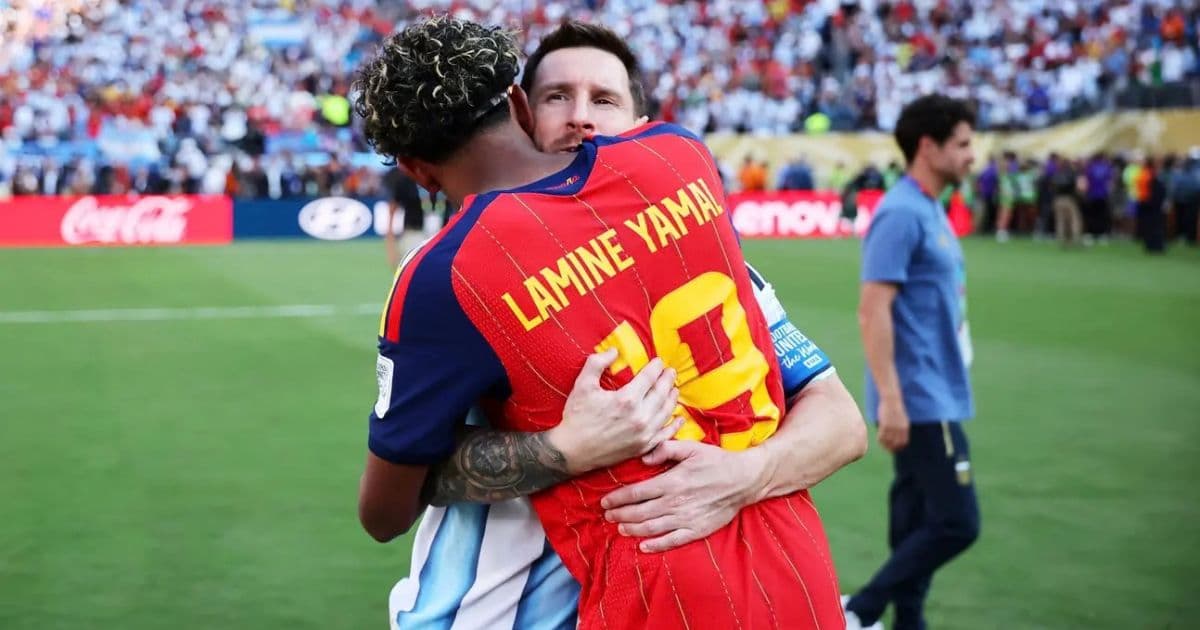
Having already made history as his nation's youngest player to feature at a World Cup, his lethal presence inside the eighteen-yard box will test Australia's central defenders to their absolute limits.
Mahmoud Saber: The Dynamic Interior Engine
Three-Match Tournament Tracking: 1 Games Played (Cameo) , 45 Minutes Played, 1 Goal, 1 Dribble
Tactical Profile: Saber is a midfielder who brings incredible energy and technical stability to the central midfield pocket.
Operating with immense tactical maturity, the dynamic midfielder excels at driving his team forward and recording crucial breakthroughs, having already scored his country's fastest-ever World Cup goal earlier in the tournament.
His relentless work rate off the ball ensures that Egypt can transition into attack before the opposing defensive unit has any time to properly organise.
Three Key Tactical Battles That Could Decide the Match
Okon-Engstler's Screen vs Saber's Spatial Freedom: The centerpiece of this strategic battle hinges on whether Paul Okon-Engstler can systematically deny Mahmoud Saber turning space in the final third.
If Saber escapes tight central coverage and operates freely between the lines, Australia's defensive shape will be forced to collapse inward.
Containing the Australian Boundary Transitions: With Nestory Irankunda deploying exceptional carrying power out wide, the Egyptian fullbacks cannot afford to commit too high up the pitch simultaneously.
Egypt must defend in a disciplined rest-defense shape to deny the Australian wingers the open grass they need to execute lethal counters.
Breaking the Socceroos Blockade: Because Australia naturally seeks to control the tempo through sustained, patient passing sequences, Egypt's defensive lines must remain compact.
The Pharaohs will rely on their midfield engine to win physical duels and immediately release Hamza Abdelkarim to transition into attack before Patrick Beach can establish his defensive wall.