The story of Cameroon’s triumph at the 2026 Women’s Africa Cup of Nations (WAFCON) is a classic case of making the most of a second chance.
Up until the Confederation of African Football (CAF)’s decision to expand the tournament participants to 16 teams in November 2025, Cameroon were set to watch a second consecutive WAFCON from home, having also missed out on the 2024 edition.
Instead, they took advantage of their second chance, and one thing led to another: they are now African champions for the first time.
Cameroon’s WAFCON Qualification Heartbreak
In late 2024, the Indomitable Lionesses stood on the pitch in Algiers, heads bowed, weeping. A grueling 3-1 aggregate defeat to Algeria in the final round of qualification had shattered their dreams.
For a nation that had reached the knockout stages of the FIFA Women's World Cup and long considered itself an African powerhouse after reaching three previous WAFCON finals, missing out on WAFCON for the second time in a row was a national tragedy.
The fallout was immediate and harsh. Pundits called for a complete overhaul of the women’s game, critics labeled the generation as "past their prime," and the players dispersed back to their respective clubs across Europe and Africa, carrying the heavy burden of failure.
How Cameroon Received a Second Chance at WAFCON 2026
Then came the miracle in Cairo. Recognising the rapid growth of the women's game across the continent, the Confederation of African Football (CAF) made a landmark decision to expand the WAFCON tournament from 12 to 16 teams.
The expansion left four vacant spots. CAF ruled that the remaining slots would be awarded to the highest-ranked teams in the FIFA standings who had failed to qualify through the traditional route.
Cameroon was thus handed a lifeline. They were back from the dead. However, fans and media viewed the reinstatement as an act of charity rather than merit.
The Indomitable Lionesses entered Morocco not as feared hunters, but as a wildcard entry, a team fortunate just to be at the party.
Read More: WAFCON 2026 Final: 5 Things We Learned From Cameroon’s Historic Triumph
Read More: How Malawi Defied the Odds to Reach the WAFCON 2026 Final
How Cameroon Turned Their Second Chance Into a WAFCON Final
After navigating a tricky group stage to shake off their competitive rust, the Lionesses advanced to the knockout rounds.
It was here that their narrative shifted from a lucky story of reinstatement to a ferocious campaign of redemption.
In the quarter-finals, they faced Nigeria’s Super Falcons. Nigeria, the ten-time defending champions and undisputed rulers of African women's football, expected a routine victory.
Instead, they met a Cameroonian team possessed by a collective fury. Just minutes into the match, 19-year-old Myriam Nyadjou latched onto a loose ball outside the penalty box and unleashed a ferocious strike that stunned the champions.
For the remaining 80 minutes, Cameroon defended like their lives depended on it, throwing their bodies in front of every Nigerian shot to secure a historic 1-0 victory. The giants had fallen.
The semi-final brought an even more daunting atmosphere. Facing the host nation, Morocco, in front of a partisan, roaring crowd in Rabat, Cameroon endured 120 minutes of intense, nerve-wracking football.
The match ended 0-0, sending the tie to a penalty shootout. Enter goalkeeper Michaely Bihina. With the weight of a nation on her shoulders, Bihina delivered a legendary performance, guessing right to save three consecutive Moroccan spot-kicks.
Her heroics secured a 3-1 penalty shootout win, silencing the home crowd and booking Cameroon's place in the final.
How Cameroon Sealed Their First WAFCON Title
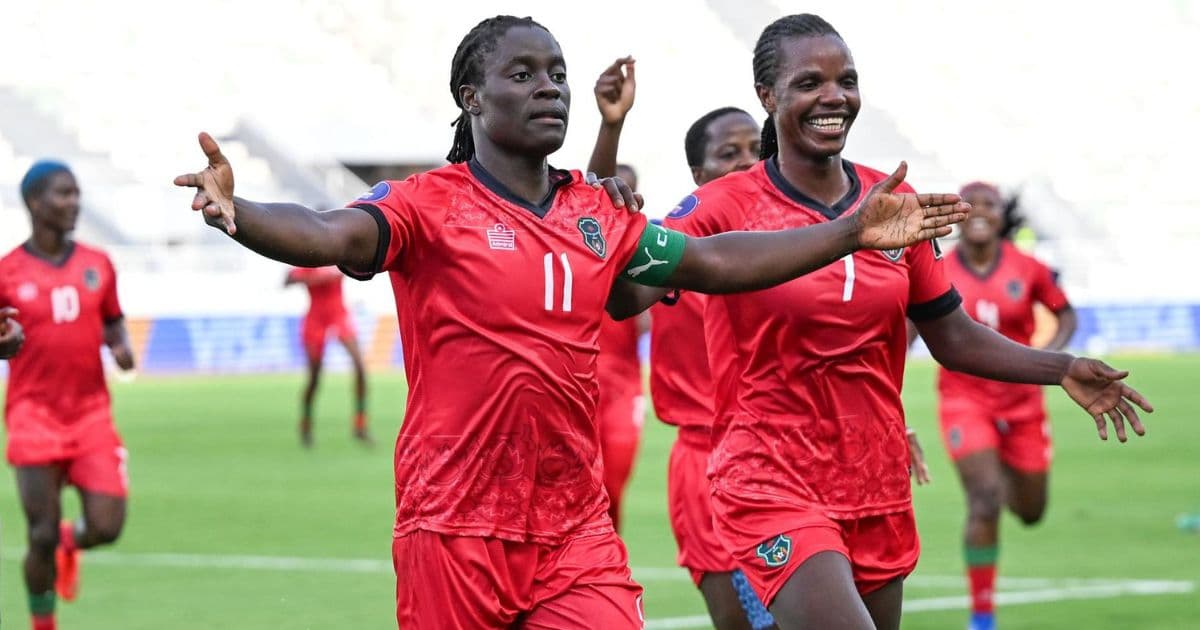
On August 16, 2026, the Moulay El Hassan Stadium played host to an unexpected final. On one side stood Malawi, the tournament's fairytale debutants. On the other stood Cameroon, the resurrected giants.
From the opening whistle, Cameroon played with the ruthlessness of a team that knew they were playing on borrowed time and intended to make every second count. In the 20th minute, the pressure paid off.
A brilliant cross from the right flank found Marie Ngah Manga, who rose highest to power a close-range header past the Malawian goalkeeper.
Ten minutes later, the stadium witnessed the goal of the tournament. Operating on the edge of the eighteen-yard box, Naomi Eto anticipated a looping clearance, timed her run perfectly, and struck a magnificent, technical volley into the top corner.
Deep into first-half added time, Ngah Manga struck again, capitalising on a defensive error to slot home her second of the night. Within 45 minutes, Cameroon had established a commanding 3-0 lead.
In the second half, they opted to manage the game and see out a 3-0 victory, securing their first WAFCON title.
Cameroon Complete Their WAFCON Redemption Story
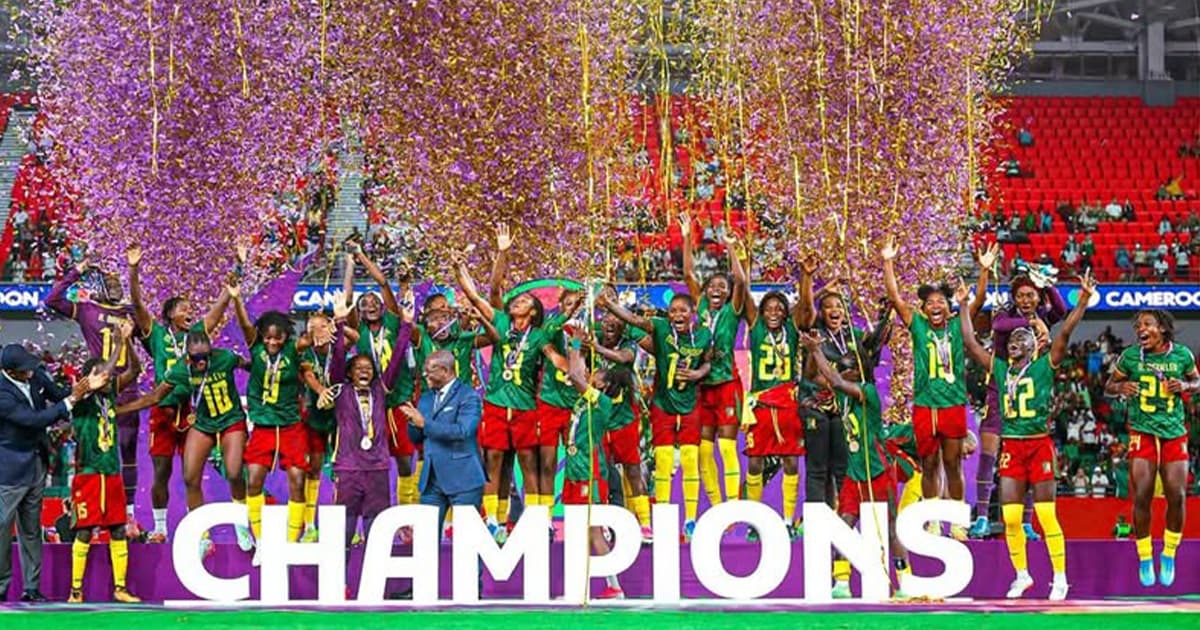
When the final whistle blew, the Cameroonian bench erupted. Players fell to the turf, this time weeping tears of absolute joy. They had achieved the impossible: winning their first-ever WAFCON title without conceding a single goal in the entire knockout phase.
With the trophy lifted and a $2 million (£1.47 million) prize secured, Cameroon's redemption arc was complete.
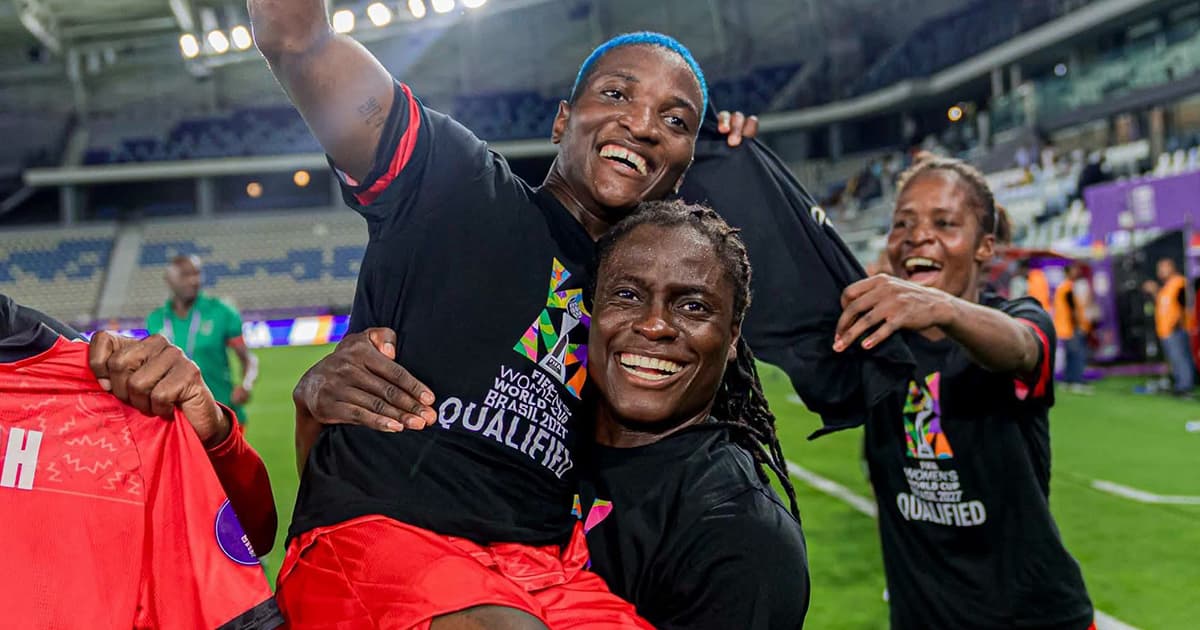
The victory was the icing on the cake after Cameroon had already secured automatic qualification for the 2027 FIFA Women's World Cup in Brazil alongside Malawi, Morocco and Algeria.