
The Women’s Super League has become an absolute magnet for global talent. Stars from across the Atlantic, mainland Europe, and Asia regularly headline matchday squads in England.
Recently, multi-time Ballon d'Or winner Alexia Putellas left Barcelona for the London City Lionesses.
Other international stars from superpowers like the USA such as Sam Kerr, Naomi Girma, Emily Fox, and Yui Hasegawa have also chosen to move to England to progress their careers.
However, WAFCON 2026 also highlighted a striking gap: despite the talent on display across the continent, only four players from the tournament's participating nations were playing in the WSL.
The four are: Nigeria's Chiamaka Nnadozie (Brighton), Tanzania's Aisha Masaka (Brighton), Nigeria's Rofiat Imuran (London City Lionesses), and Algeria's Ines Belloumou (West Ham).
But why exactly is that the case? Striver.Football tries to understand why.
UK Work Permit Rules Create a Major Barrier for African Players
The operational hurdle for any English club targeting African talent is the Home Office's Governing Body Endorsement (GBE) system, especially since the United Kingdom left the European Union nearly a decade ago.
To gain a UK visa, non-UK players must clear a strict point threshold calculated across four pillars.
International appearances can play a major role in determining whether a player automatically qualifies or must accumulate sufficient points through the wider GBE system.
The second pillar involves the FIFA ranking of the African countries. The third concerns the quality of the domestic league, measured by the selling club’s domestic competition, and how its confederation coefficient rates.
The fourth pillar involves continental appearances: basically, the number of minutes played in tournaments like the UEFA Women's Champions League.
Because domestic leagues across Africa and regional club tournaments carry lower standard coefficient weightings compared to European setups, even elite African talents can struggle to meet the minimum points required for an automatic visa unless their national team ranks near the top of FIFA's standings.
Why the NWSL Is Beating the WSL for African Talent
While British clubs navigate visa paperwork, American franchises in the National Women’s Soccer League (NWSL) have aggressively positioned themselves as the primary destination for top-tier African talent.
Unlike European clubs that often hesitate to invest transfer capital outside familiar markets, NWSL teams deploy significant resources to land proven match-winners.
In 2024, Zambia’s Racheal Kundananji set a benchmark transfer fee when Bay FC acquired her from Madrid CFF for £685,000.
Her international teammate Barbra Banda also joined Orlando Pride for £547,000, the second highest transfer fee for a female footballer at the time.
Other international stars, including Sam Kerr, Naomi Girma, Emily Fox and Yui Hasegawa, have also chosen to move to England to progress their careers.
With American clubs offering higher wage caps, direct signing incentives, and smoother immigration pathways, many of Africa's leading players have increasingly been drawn towards opportunities in the United States rather than England.
WSL Recruitment Still Focuses Heavily on European Markets
Recruitment architecture across WSL clubs remains overwhelmingly slanted toward UEFA territory. Recruitment networks in England have traditionally been stronger across European markets, particularly in established domestic leagues, Scandinavian divisions, and South American pipelines.
As a consequence, African players often have to build a multi-stage career path—moving to French, Spanish, or Portuguese divisions first (such as Tabitha Chawinga's path to Lyon or Michaely Bihina to Benfica) before even surfacing on the radar of WSL recruitment analysts. Direct transfers from African club academies to the WSL remain exceptionally rare.
Read More: How Malawi Defied the Odds to Reach the WAFCON 2026 Final
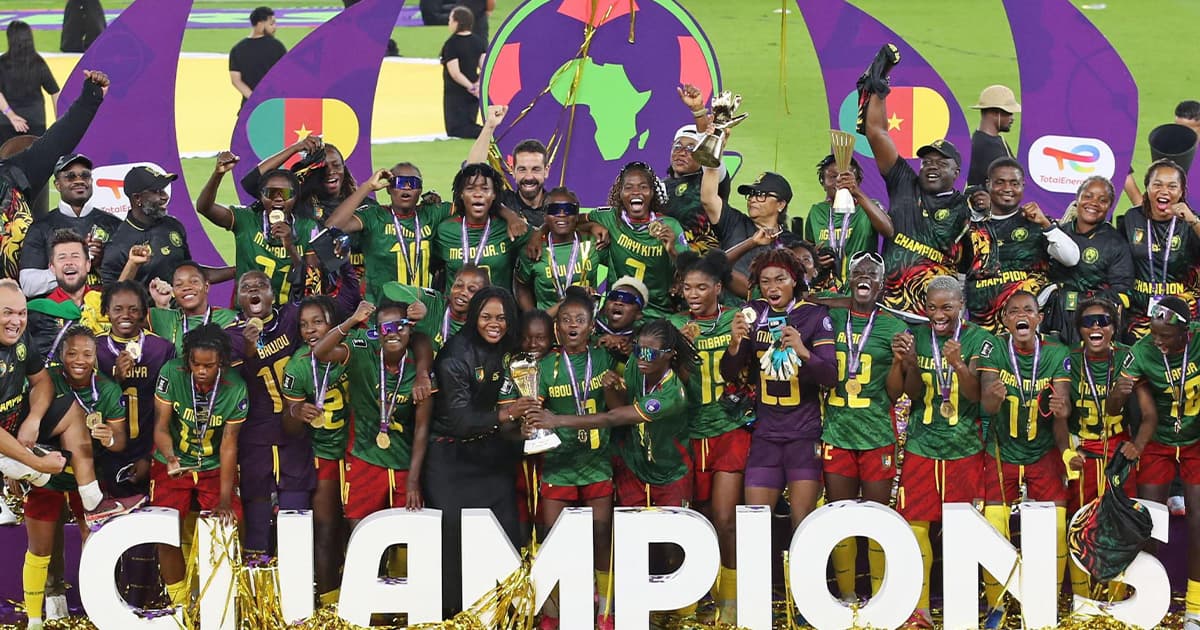
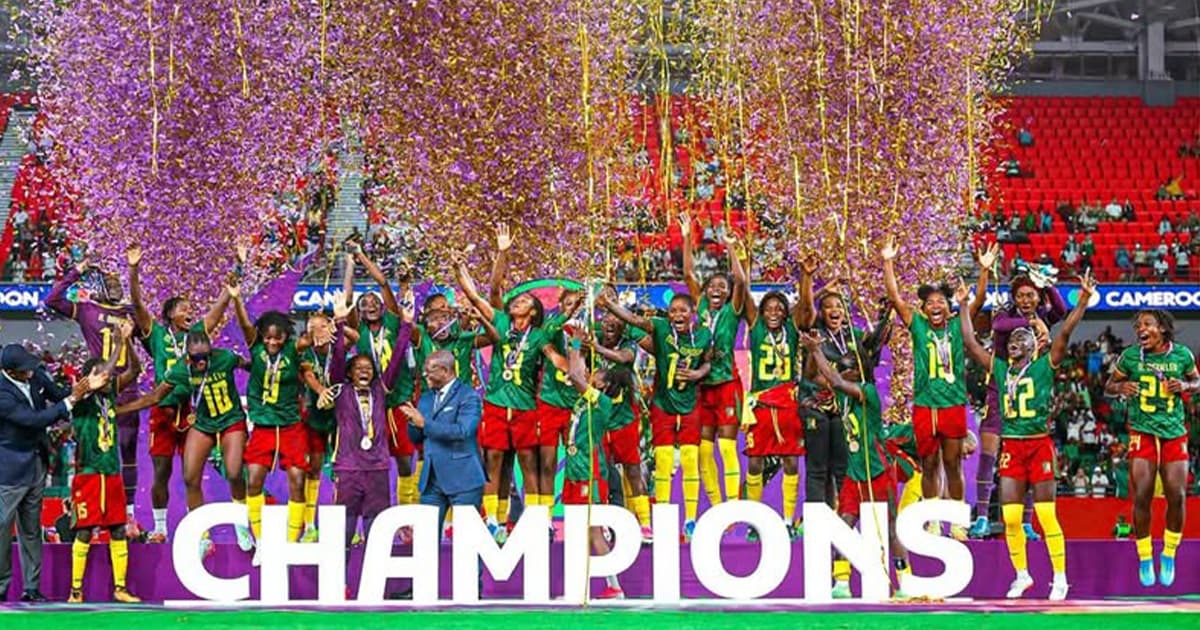
Read More: How Cameroon Went From WAFCON Qualification Failure to 2026 African Champions
Limited Coverage Makes African Players Harder to Scout
Data-driven scouting relies heavily on multi-angle video feeds and clean tracking metrics. Outside of major international tournaments, domestic women's football leagues across many African nations suffer from minimal television coverage and irregular streaming access.
Even major showcase events face distribution hurdles. During WAFCON 2026, broadcast rights confusion left opening-round fixtures unavailable on UK television screens, while sudden scheduling changes short-circuited long-term planning for prospective buyers.
Speaking to the BBC about how poor coverage can affect the perception of women's football, Switzerland captain Lia Walti said: "You have to bring the game to the people... In a lot of other countries, they have bad coverage. It's not shown at all, or if it's shown, from where they film the game [it makes it look] really poor.
"It affects the way you watch a game. You don't really see the speed, the tactics, or anything, and you don't enjoy watching the game."
Limited footage and data can make player assessment more difficult, potentially encouraging clubs to prioritise markets they already know well.
Calendar Changes and Administrative Delays Create More Uncertainty
The final obstacle rests on administrative consistency. Sudden calendar changes—such as WAFCON 2026 being delayed just 12 days prior to its initial kick-off date before being rescheduled three months later—disrupt standard European transfer windows.
When tournament dates shift outside European registration periods, clubs are far less likely to reserve open squad spots or risk visa processing delays.
Despite these obstacles, stars who do break through prove that the continent's talent pool belongs at the highest level.
Nigeria’s Chiamaka Nnadozie made history as the first African goalkeeper nominated for the Women's Ballon d'Or before leading Brighton to an FA Cup final appearance at Wembley.
Reflecting on the talent waiting for a pathway, Nnadozie observed: "We have so many good players and they just need the opportunity to show what they can really do. Some players have had the opportunity to come to Europe, but some have stayed back home. I hope in the future, bigger competitions will come to Africa... Women's football is rising and Africa shouldn't be left behind."
Three Changes That Could Open the WSL to More African Talent
Regulatory Adaptation Needed: To widen access to overseas talent, football authorities and policymakers could review how the GBE framework recognises elite performers from non-European competitions.
Direct Talent Investment: WSL clubs that establish scout presence across CAF competitions stand to secure elite talent before market valuations spike in mainland Europe or the USA.
Better Broadcast Coverage: Improving multi-camera broadcast production across domestic African competitions will directly remove the visibility wall currently hindering remote recruitment teams.