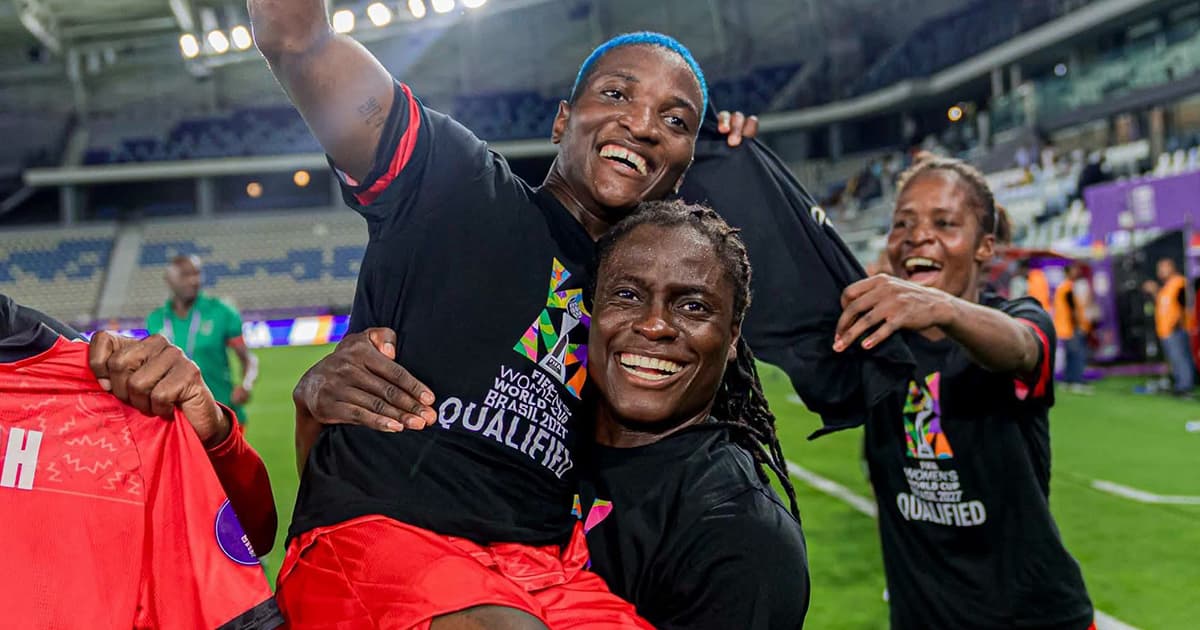
When Malawi finished rock bottom of the 2026 FIFA Women’s Series in Nairobi last May, few would have envisioned that they would go on to become WAFCON finalists just three months later.
Malawi had looked second-rate against Australia and India in Nairobi, and they entered WAFCON 2026 as the lowest-ranked team at the competition.
Heading into the tournament in Morocco, they were up against it, considering they were pooled in the same group with record champions Nigeria, as well as high-flying Zambia.
Malawi are not a nation with a particularly strong football pedigree. They have never made it to the top 100 ranked nations, and are ranked 32nd in Africa in a federation that has 45 member associations.
Qualifying for WAFCON 2026 for the first time was an achievement in itself. Winning the 2023 COSAFA Cup (a regional tournament) was the closest they had ever come to experiencing tournament football.
Against Nigeria in their opening game, it was a true baptism of fire. According to captain Temwa Chawinga, beating Nigeria gave the team the confidence to believe they could go all the way to the final.
“On the first day, when we beat Nigeria, everyone believed we could do it. We were asking God for intervention and believed if we could do it against them, we would potentially go all the way to the final,” Chawinga said.
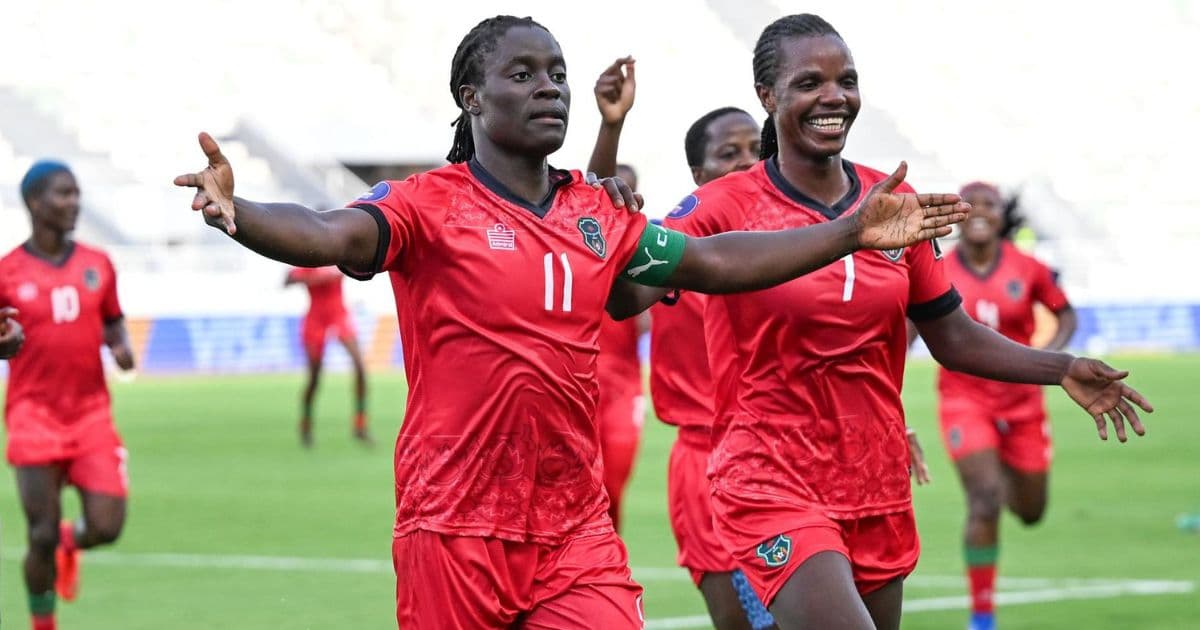
Ranked 117 places ahead of Malawi, Nigeria were heavily fancied. Yet the same Nigerian defence that had looked so impervious during their 2025 triumph struggled to contain the devastating Chawinga sisters, Temwa and Tabitha. Each scored six minutes apart in the second half to hand Malawi a stunning 2-0 lead, eventually holding out for a breathless 3-2 victory.
“Everyone was scared. We went there thinking that, even if they had beaten us 5-0 being a big team, everyone would have understood us. But at the end of the day, Malawians celebrated,” Chawinga added.
"The moment we beat Nigeria, the nation was happy," head coach Lovemore Fazili said as quoted on ESPN.
"What more can we do now? We've made the final, and now our people are 200-percent happy."
How Malawi Defied the Odds to Reach the WAFCON Final

Beating Nigeria would have gone down as one of the WAFCON's greatest shocks. But the Scorchers grew exponentially from that point forward.
They went on to beat Egypt 3-1, before losing 2-1 to Zambia. However, their hefty goal difference allowed them to finish top of the group, even though they tied on six points alongside the Copper Queens and Nigeria.
In the quarter-finals against Ghana, they fell behind only to rally and claim a thrilling 2-1 victory, securing a direct ticket to the 2027 FIFA Women's World Cup in Brazil in the process.
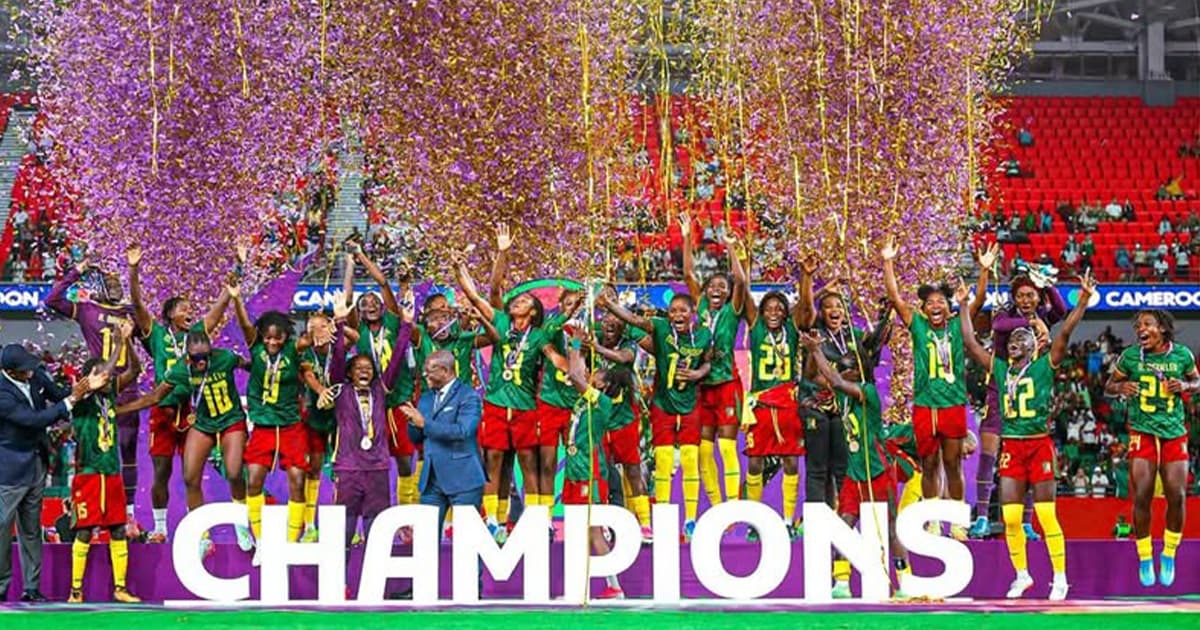
Algeria were then dismantled 3-1 in the semi-finals before falling 3-0 to Cameroon in the grand finale at Rabat's Moulay El Hassan Stadium.
The last women's team to reach a continental final on their debut were South Africa in 1995. Unlike defensive underdogs of past global tournaments, Malawi made it to the final by adopting an attack-minded approach.
The Impact of the Chawinga Sisters
While Malawi's 153rd world ranking reflected their limited history of international fixtures, it failed to account for a critical reality.
In Tabitha (Lyon) and her sister Temwa (Kansas City Current), Malawi possessed two of the finest attacking footballers on the planet.
Supported by emerging talents like Rose Kadzere, Faith Chinzimu, and Letticia Chinyamula, the Chawinga sisters gave Malawi an elite, world-class focal point that very few minnows in football history could ever call upon.
Remarkably, the 16 home-based players in the squad were drawn from a country without a fully functioning national league until just last year, before the National Bank of Malawi became its official sponsor.
Their run was reminiscent of George Weah inspiring Liberia to international prominence.
"We have more U20 players coming from such tournaments. I am thankful to the Malawi government, FIFA and our entire leadership for making this possible," Fazili said.
What Malawi's WAFCON Run Means for the Future
Although they fell short to Cameroon in the final, there is optimism that this might be the start of something special.
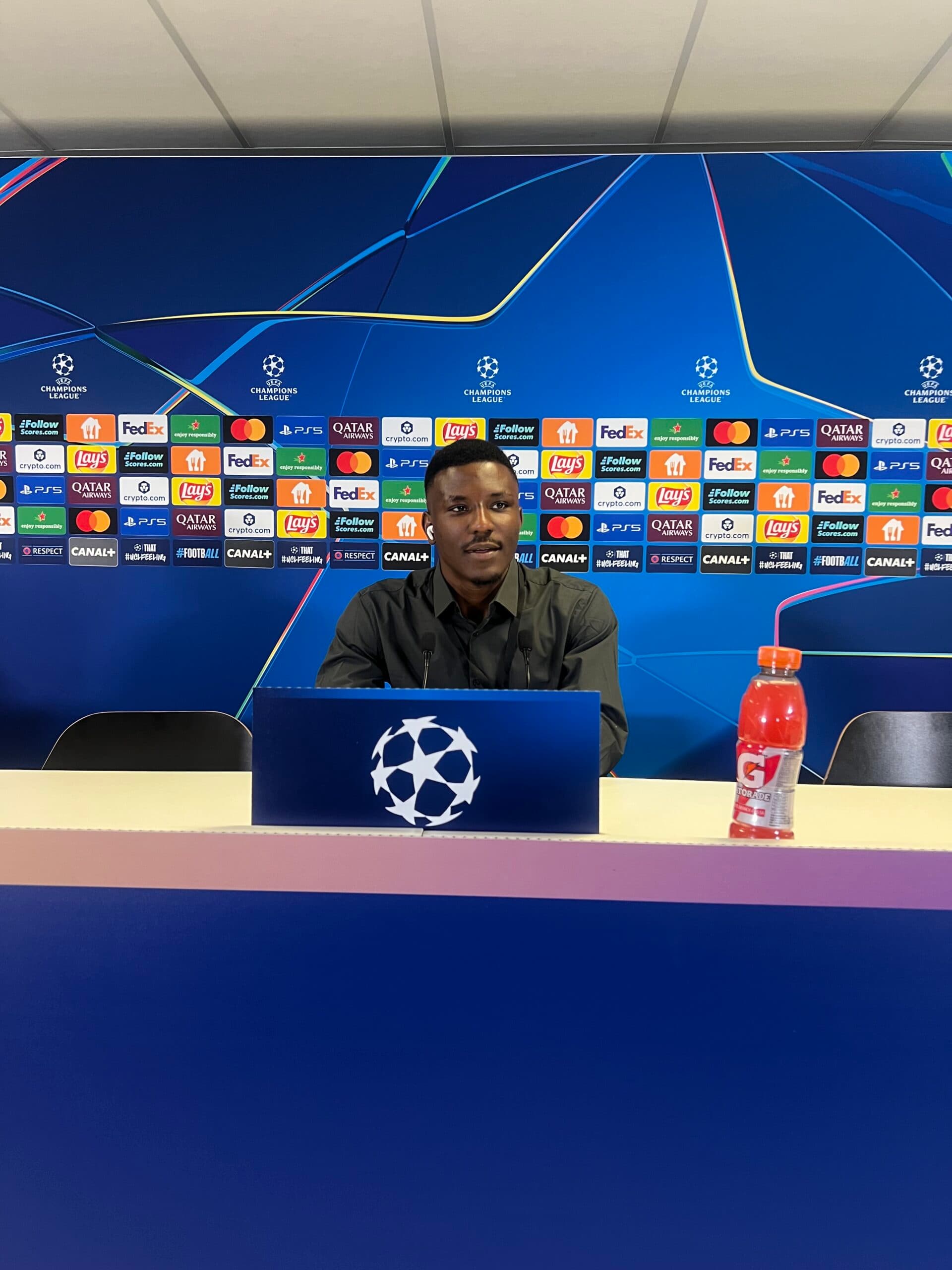
In his post-match press conference, Fazili insisted that the side will not stop and will now continue to put building blocks in place to ensure they sustain such runs, and that this was not a one-off.
“We are going home with silver medals, but we are also going home with a ticket to Brazil. We have made history by qualifying for the World Cup.
"We will learn from this final, we will fix our mistakes, and we will prepare even harder to represent Africa proudly on the global stage next year.”