Cape Verde's World Cup debut will be talked about for decades. Not because they lifted a trophy or even reached the round of 32, but because they arrived at football's biggest stage as the world's 67th-ranked nation, held European champions Spain to a goalless draw in their opening match, pushed Argentina to extra time after twice fighting back, and forced Lionel Messi's side to earn their place in the next round.
They came in with almost nothing on paper. They left with everything that matters. The Blue Sharks had never played at a World Cup before this summer. Their qualifying campaign was built on defensive resilience, with five home matches in Praia and not a single goal conceded.
That fortress mentality travelled with them to North America. During the group stage, they held Spain, Uruguay, and Saudi Arabia to draws, finishing second in Group H to become the smallest nation in World Cup history to progress beyond the group stage.
How Cape Verde Nearly Pulled Off the Greatest World Cup Upset Ever
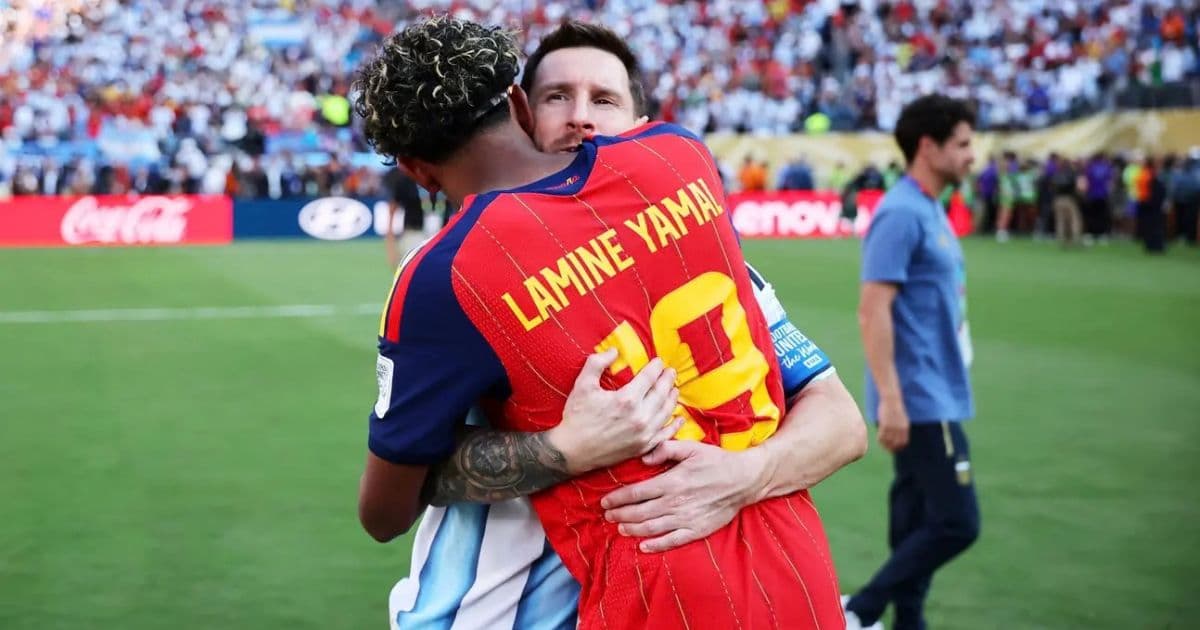
Messi put Argentina ahead in the 29th minute, extending his World Cup record to 20 career goals with a composed left-footed finish after a perfectly weighted pass from Lisandro Martinez. At that moment, most expected the floodgates to open.
They never did. Deroy Duarte equalised in the 59th minute, silencing much of the pro-Argentina crowd inside Miami Stadium as Cape Verde supporters behind the goal erupted in celebration. The match remained level at 1-1 through normal time and into extra time.
Martinez restored La Albiceleste's lead in the 92nd minute with a powerful left-footed strike, but Cape Verde refused to go away. Sidny Lopes Cabral produced one of the tournament's finest moments in the 103rd minute, rifling a spectacular effort from the edge of the penalty area to make it 2-2 and leave the stadium in disbelief.
Eight minutes later, Messi's corner found Cristian Romero's head. The ball deflected off defender Diney Borges' hand and fell past Vozinha into the net. It ended 3-2 to Argentina.
The final scoreline flatters no one, least of all the defending champions, who needed 111 minutes to separate themselves from a Cape Verde side making its World Cup debut. Argentina coach Lionel Scaloni acknowledged what had just happened.
"The truth is, when people say there's no such thing as an easy opponent, today Cape Verde proved they're a great team."
Vozinha, Roberto Lopes, and the People Who Made This Story
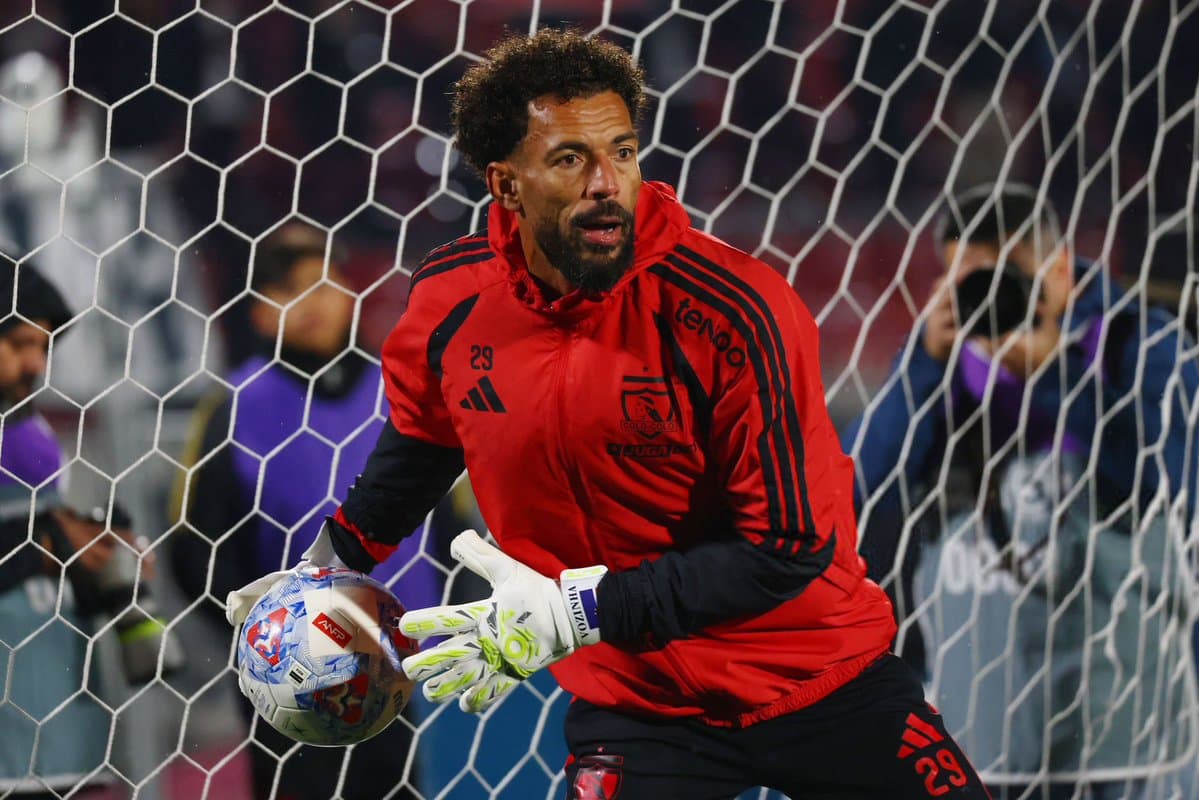
The player who captured the world's imagination at the 2026 World Cup was goalkeeper Josimar Jose Evora Dias, known universally as Vozinha. 40 years old, formerly a part-time worker, now the tournament's most talked-about goalkeeper.
Against Spain, Vozinha made seven saves and recorded 68 touches, the most by a goalkeeper in a World Cup match since 1988. He entered the tournament with approximately 20,000 Instagram followers. By the final whistle that night, the number skyrocketed to over 19 million.
Against Uruguay, his mother finally made it into the stands, she had been unable to obtain a visa for the Spain game. Against Argentina, he made eight saves and was publicly backed by fans across the world who felt he deserved Man of the Match ahead of Messi.
"We couldn't do it, and we're sad about the result," Vozinha said after the final whistle.
"But we have every reason to be satisfied and proud of the match we played and of everything we achieved during this World Cup. We have dignified Cape Verde as a national team in most parts of the world."
Then there is Roberto Lopes, the defender who nearly missed it all. The Cape Verde Football Association contacted the Shamrock Rovers captain via LinkedIn after discovering he qualified through his father's heritage.
The message arrived in Portuguese. Lopes assumed it was spam and ignored it completely. A follow-up message arrived weeks later. After translating it, he realised the opportunity was genuine. He accepted. He went to a World Cup. He helped keep a clean sheet against Spain.
Columbus Crew right back Steven Moreira completed the defensive triangle. Having represented France at the youth level, Moreira chose to switch allegiance to Cape Verde in 2023 and won the MLS Defender of the Year award in 2024.
His performances on the right side of defence throughout the tournament were central to everything Cape Verde achieved defensively.
What Bubista Built and Why It Matters Beyond This Tournament
Coach Pedro Leitao Brito — known as Bubista, was speaking before the Argentina match when he offered a line that deserves to outlast the result.
"This is something we owe to other smaller national teams. Teams that struggled to qualify for a world tournament. Once you're on the pitch, a lot of things become equal."
He was right. After the elimination, he spoke with the same clarity.
"I don't think any other team could have scored two goals against Argentina and taken the match into extra time. They did it with bravery, and never did we lose our identity. More so than just playing, this was about showing the world our identity."
Bubista built this squad not through elite academies or expensive transfers, but by drawing on Cape Verde's diaspora—players scattered across Portugal, France, Ireland, the United States, and Belgium, united by shared heritage and a shared belief in what their country could achieve.
Most of the squad do not play in Europe's elite leagues. None arrived in North America as household names. All left as something more. Cape Verde were not just a feel-good story. They were proof, delivered over four matches, across three weeks, that football's established order is never as permanent as it appears.