
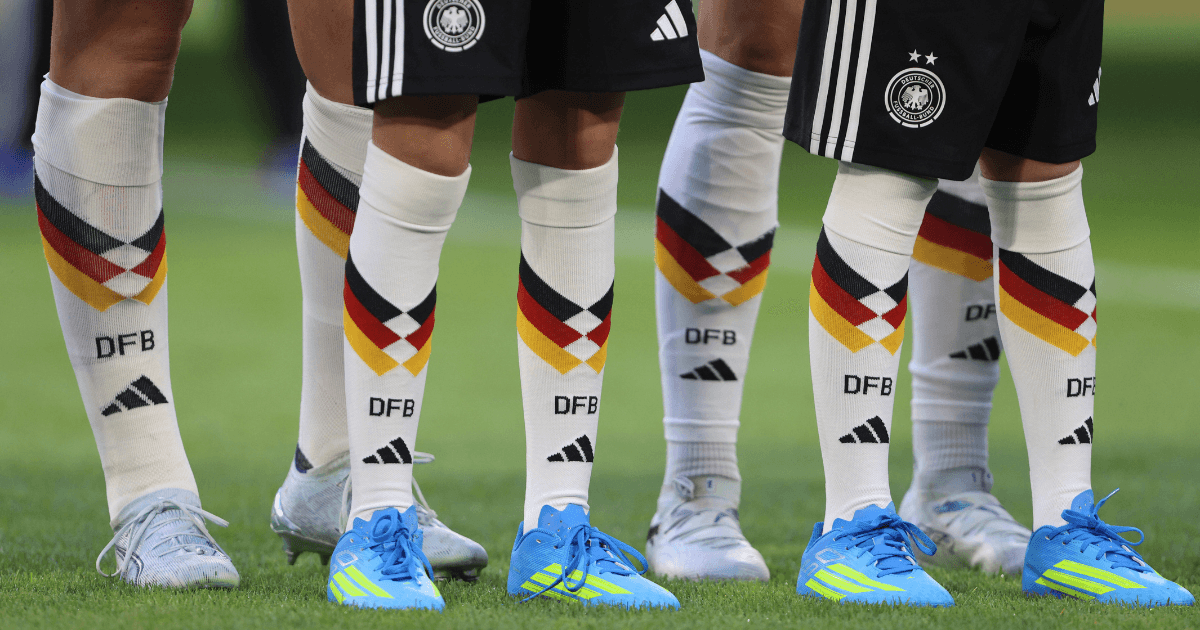
From World Cup player welfare to ACL research in the women's game, sports medicine expert Karli Richards believes education could be football's most powerful injury-prevention tool.
Why Injury Prevention Matters More Than Treatment
When most people think about sports medicine, they picture players recovering from injuries.
Dr Karli Richards sees things differently.
As a physician, researcher and advocate for player welfare, her focus is often on preventing injuries before they happen. Whether analysing injury trends ahead of the FIFA World Cup or researching the factors behind ACL injuries in women's football, Richards spends much of her time asking one question:
How can football do better?
For young players chasing their dreams, the answer may be about much more than treatment rooms and rehabilitation programmes.
It may start with education.
Why Football's Schedule Is Becoming A Growing Concern
As football continues to expand, fixture congestion has become one of the biggest talking points in the game.
Players are expected to balance domestic competitions, international tournaments, travel and commercial commitments, often with very little downtime between them.
Richards believes that workload is becoming a challenge at every level of the sport.
"I do agree with that, both on the men's and women's side," she said.
While elite professionals receive most of the attention, Richards believes the issue begins much earlier.
"In America, our kids are playing year-round. It's just not good. We see a lot of overuse injuries. We see a lot of player burnout, so I think it stems all the way from use to professional where there's definitely congestion."
For Richards, player welfare is not simply a professional football issue. It is a development issue that affects athletes throughout their journey.
The Hidden Physical Demands Of A World Cup
The physical demands of a World Cup extend far beyond the matches themselves.
Players often arrive directly from long club seasons before immediately entering national team camps and tournament preparation.
According to Richards, fatigue is one of the biggest concerns.
"Cardiovascular-wise they're in great physical condition," she explained. "But from a muscular standpoint there's a lot of fatigue and that's where we do worry about those injuries."
Travel is another factor. With matches spread across the United States, Canada and Mexico, players will regularly move between cities, climates and time zones.
"It's not just the amount of games in a short amount of time," Richards said. "It's also the amount of travel that they're going to have to do, which can increase the risk of exhaustion and fatigue and injury,
I think not just the altitude that will cause an issue but the really warm weather could play a factor too".
What ACL Research Is Teaching Football
Richards has spent significant time researching injury trends in women's football, particularly ACL injuries.
The numbers alone show why the issue has become impossible to ignore.
"In the last women's World Cup, 30 players missed their World Cup for their country because of a lower extremity injury," she said.
"The last men's World Cup, I think the number was only 15."
But Richards believes there is no single explanation.
Instead, injury risk is influenced by multiple factors including strength and conditioning, hormones, playing surfaces, footwear and anatomy.
"It's multifactorial," she explained.
That complexity is exactly why research remains so important.
While awareness around ACL injuries has increased dramatically, Richards believes football still needs more evidence and better education before meaningful progress can be made.
"The data's not there yet. It's hard to make recommendations on injury prevention when we don't have data."
But research is only part of the solution.
Through her work with youth players and coaches, Richards has seen first-hand how little information many young athletes receive about injury prevention.
"Some of these young players aren't aware of a lot of it," she said.
"Strength and conditioning, what type of boots they're wearing, awareness around their menstrual cycle, nutrition, rest – the education is a really big part of it, not just the research."
Why Boots Could Be Football's Most Overlooked Injury Risk
One area Richards believes receives far too little attention is footwear.
"The science behind boots is so interesting to me," she said.
While professional players often have access to customised equipment and specialist support, many younger players and parents are unaware of how different studs interact with different surfaces.
"Most parents don't know what they're buying. They don't know the difference between an FG stud and an AG stud."
According to Richards, that lack of education can have real consequences.
"If you wear a firm ground stud on artificial grass, the chance of that stud getting caught in the turf is relatively high, and the injury risk goes way up."
She believes something as simple as understanding which boots to wear on different playing surfaces could help reduce injuries at youth level.
"The professional players know this. This is not new information for the pros. But on a youth level, it definitely needs to be talked about more."
The Proven Injury Solution Too Many Teams Ignore
One of the most surprising insights from Richards' work is that football already has an injury prevention programme backed by strong evidence.
The FIFA 11+ warm-up programme has been shown to reduce injury risk in both men's and women's football.
The problem? Many teams still are not using it consistently.
"That has been scientifically shown to decrease ACL injuries in both men and women," Richards said.
"That being said, nobody's doing it."
For Richards, this highlights a recurring theme in injury prevention. The challenge is not always discovering solutions. Sometimes it is making sure players, coaches and parents understand them.
Why Recovery May Matter More Than Fitness
While football supporters often focus on a player's fitness, Richards believes fatigue is often the hidden issue.
"I think they're all as physically fit as possible," she said.
"They've been training for years for this event."
Yet even the world's best players are not immune to the demands of modern football.
"I think they're in top shape, but I think the fatigue is where the problem could happen."
For Richards, that lesson applies just as much to young players as it does to World Cup stars.
Success is not simply about training harder. It is also about understanding recovery, managing workload and taking care of your body over the long term.