For nearly a decade, modern football transfer economics have increasingly defied logic, but let us be honest: this week’s transfer business in the Premier League has now pushed the needle straight into fantasy land.
Between Tottenham Hotspur splashing out an eye-watering £85 million (€100m) to pry Savio away from Manchester City, and Nottingham Forest shattering their club record to land Liam Delap from Chelsea in a £50 million package, the market has officially broken its own logic.
As reported by The Athletic, the numbers reveal an inflation tax that is spiraling out of control, explaining why both players, who massively struggled for their previous clubs, have gone for such inflated fees.
Striver.Football breaks down why the Premier League transfer market has completely lost its mind.
Are Desperate Premier League Clubs Being Taken Advantage Of?
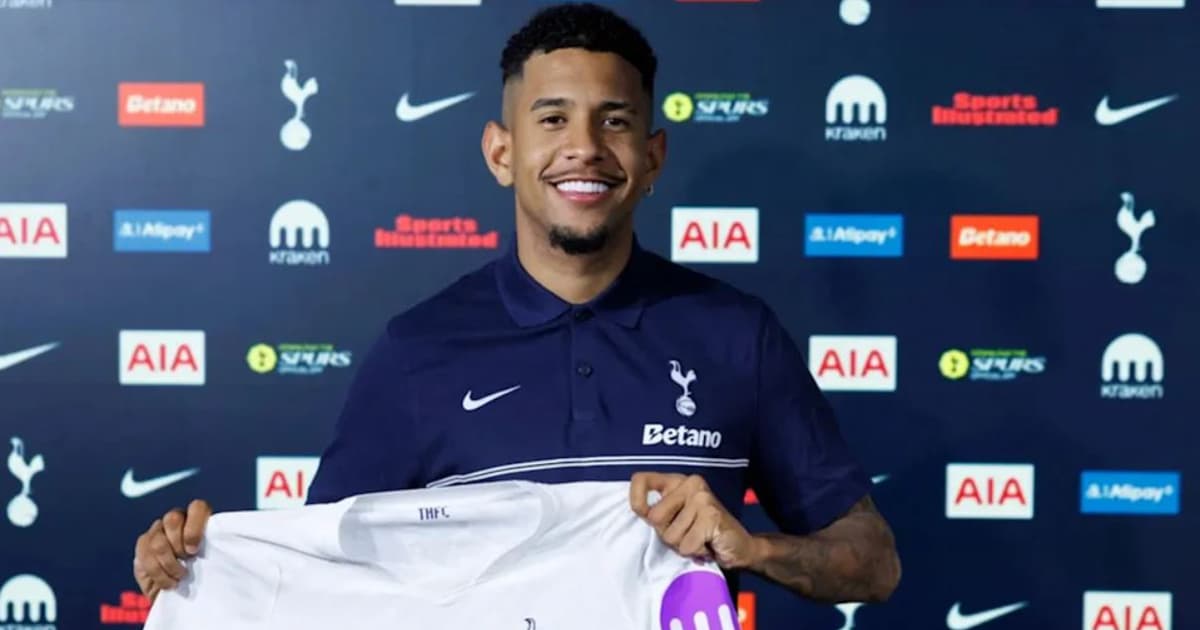
Talented young Brazilian wingers rarely come cheap, but Tottenham's outlay for Savio feels like a major overpay. In fact, it might suggest that clubs in desperate predicaments could be taken advantage of, including Spurs.
Spurs had already spent nearly £180 million on Sandro Tonali from Newcastle and Mateus Fernandes from recently relegated West Ham, they went all in for Savio despite a questionable two seasons in Manchester.
The 22-year-old certainly showed glimpses of elite potential during his early days at City after arriving from Troyes via Girona.
Yet, when you look at the raw output, the fee feels staggering: across 53 Premier League appearances for City, Savio managed just two league goals.
Following a 3-0 opening-day defeat to Brentford, it was painfully obvious that Roberto De Zerbi needed an injection of creativity in North London.
But has sheer desperation allowed selling clubs to tax Spurs to the absolute limit?
Transfermarkt estimates Savio's market value at around £30 million, meaning Tottenham’s upfront £75 million fee (rising to £85m with add-ons) represents a massive £45.3 million premium, ranking among the steepest overpays in modern league history.
How Chelsea Turned Liam Delap's One-Goal Season Into a £50m Sale
If Savio’s price tag raised eyebrows, the domino effect across the league is even more absurd. Enter Nottingham Forest, another club that looks like it was taken advantage of by Chelsea for Liam Delap.
Just 24 hours after Savio's unveiling, Forest agreed a club-record £50 million deal (£45m upfront plus £5m in add-ons) to take Delap away from a difficult first season at Stamford Bridge.
Chelsea signed Delap from Ipswich Town just last summer for £30 million following a promising campaign.
Fast forward twelve months, and after a grueling season where Delap scored just one Premier League goal in 28 appearances, the Blues have somehow flipped him for a £20 million profit.
It is an incredible piece of business for Chelsea’s balance sheet, but a worrying example of how ambitious clubs are increasingly paying premium prices for potential rather than proven elite production.
Why Premier League Clubs Are Paying Above Market Value
Why do sporting directors keep greenlighting these numbers? Because in the Premier League ecosystem, sanity takes a backseat to necessity.
Elite, press-resistant wide players and physically robust young strikers are in desperately short supply.
When a club like Tottenham or Forest identifies a profile that fits their tactical system, they are bidding against the financial backing of billionaire owners and lucrative television broadcasting rights.
Historical datasets show that roughly two-thirds of all Premier League transfers are completed above estimated market value.
Clubs like Chelsea and Tottenham lead the summer spending sprees (breaking past £340 million and £300 million respectively), absorbing hundreds of millions in structural inflation because a single win or European qualification spot pays for the markup.

Why Savio and Delap's Transfer Fees Raise Bigger Questions
The way modern football is going, scouts and coaches look past the raw numbers, pointing to underlying data, tactical fit in and the hidden ceiling of an 18 or 22-year-old talent.
This is why Arsenal spent £50 million for Noni Madueke despite polarising opinion among Chelsea fans, who were frustrated by his lack of consistent end product.
The underlying numbers suggested Madueke was good at hugging the line, isolating his man from a one-on-one situations standing start and causing chaos while progressively carrying the ball into dangerous areas.
Savio might suit De Zerbi’s tactical instructions at Spurs and maybe recapture his form at Girona, and maybe Delap rediscovers his Ipswich scoring touch at the City Ground.
But to those watching from the outside, £85m for a winger with two league goals and £50m for a striker coming off a one-goal season suggests the Premier League transfer market has officially gone mad.