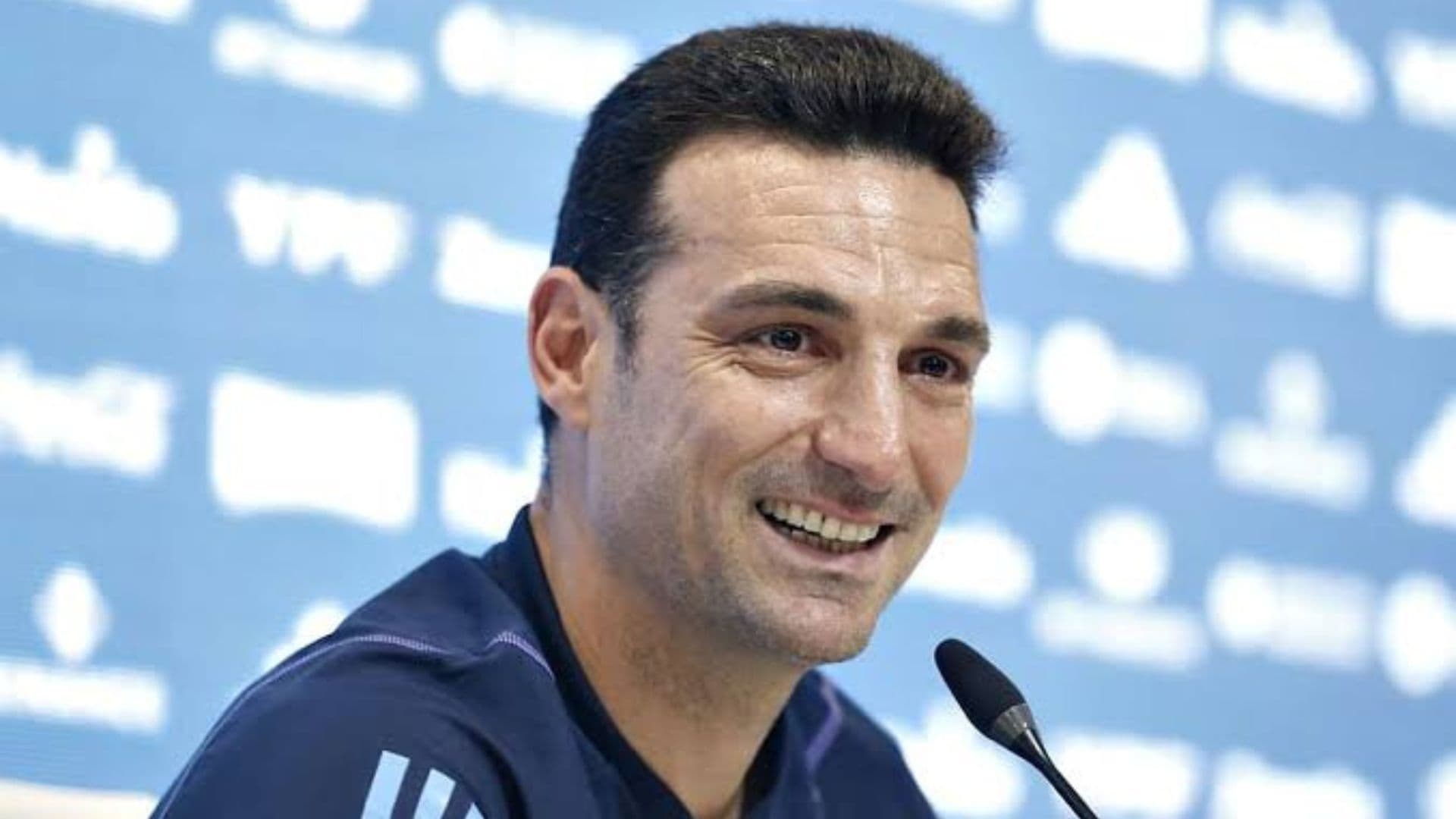
In just a few years, Lionel Scaloni went from former Argentina international to one of the most successful coaches in the national team’s history.
Retaining Scaloni was a priority for AFA president Claudio 'Chiqui' Tapia, and reports say the two parties have reached an agreement in principle for him to continue beyond this year, potentially through the 2030 World Cup.
The 48-year-old has reportedly agreed to a two-year deal, with a renewal clause that could extend his tenure through the 2030 World Cup as Argentina begins its post-Messi transition.
Lionel Scaloni set to lead Argentina into the 2030 World Cup cycle
Following a period of reflection and positive discussions with AFA president Chiqui Tapia, Lionel Scaloni has put pen to paper on a new deal that anchors his tenure through the 2030 World Cup cycle, according to Fabrizio Romano.
He had been unsure of continuing in the role, having seen his side lose the World Cup final in heartbreaking fashion in the summer.
Scaloni built a culture of unity, tactical intelligence and discipline. His continuation as head coach would help Argentina maintain that identity as veteran players step aside and a new generation takes centre stage.
La Scaloneta, as Argentina’s team became known, established itself among international football’s leading sides under Scaloni after years without a major senior men’s trophy.
He will now have a chance to win the World Cup again in 2030, when Argentina is slated to host opening centenary matches, and can aim to become the first coach in history to win three successive Copa America titles in two years' time.
To achieve these goals, he will need to employ the same strategy as last time and build a new team, this time without the brilliance of Lionel Messi or the leadership of Nicolas Otamendi to lean on.
How Argentina can evolve under Lionel Scaloni after Messi
Argentina reached the 2026 FIFA World Cup final despite a difficult build-up to the tournament, according to the team’s own assessment.
Their runner-up finish followed a successful period in which Messi played a central role in Argentina’s major international triumphs.
Messi was their best and most decisive player at every tournament they won since 2021, except the Copa America two years ago, when injuries limited his impact and Lautaro Martinez stepped up admirably.
To sustain success through the 2030 cycle, Argentina will need to evolve tactically, developing more ways to create chances and press effectively without relying so heavily on Messi’s influence.
Their next evolution would be based on a number of factors and how well they are able to execute said factors to limit some of the problems that cost them glory in the summer.
- Embracing Tactical Fluidity: Scaloni must be prepared to increase the level of freedom and invention afforded to his players, especially through bringing in younger wide players and using their explosive pace to shift toward vertical, high-tempo transitions.
- Cultivating Midfield Control: Scaloni's Argentina failed to establish any form of midfield control against Spain, leading them to cede possession and territory against the Europeans, killing any chances of victory. He should allow technical playmakers greater freedom in the final third while maintaining defensive balance.
- Instilling Hunger After Success: Some criticism of Argentina’s World Cup performances focused on whether the experienced players could maintain their previous levels of intensity after years of success. Scaloni must now ensure that younger debutants inherit the relentless competitive standards established by the 2022 World Cup-winning veterans.
Six young players who could shape Argentina’s next generation
As Argentina transitions away from a hugely successful generation, Scaloni's new cycle will rely on a balanced spine of young talent, featuring one key prospect in every major position.
For the goalkeeper position, River Plate's 22-year-old Santiago Beltran is an option to be the long-term replacement for Emiliano Martinez, who has been rumoured to be considering ending his international career soon. Beltran could soon move to Europe, with several clubs monitoring him closely.
In defence, Agustin Giay has already made his mark and was impressive in Messi's farewell game against Benin Republic. The Palmeiras right-back can provide a more assured presence than Gonzalo Montiel and Nahuel Molina, Scaloni's options for the last few years.
Also, Real Betis' 23-year-old Valentin Gomez can come in for Otamendi, who retired after the World Cup earlier this year.
In midfield, Chelsea's Valentin Barco has shown glimpses of his quality in games for La Albiceleste, and will be expected to play a bigger role in the latest iteration of La Scaloneta. Also, 19-year-old Boca Juniors sensation Tomas Aranda is one of the most talked-about prospects in Argentine football, and will have a big future with the national team.
Completing the list is Como's 22-year-old star Nico Paz, who is expected to directly inherit Messi's number 10 shirt. He has turned heads in Europe and has shown his quality for the national team, scoring a Messi-esque goal from a Messi assist in the veteran's farewell game against Benin Republic.