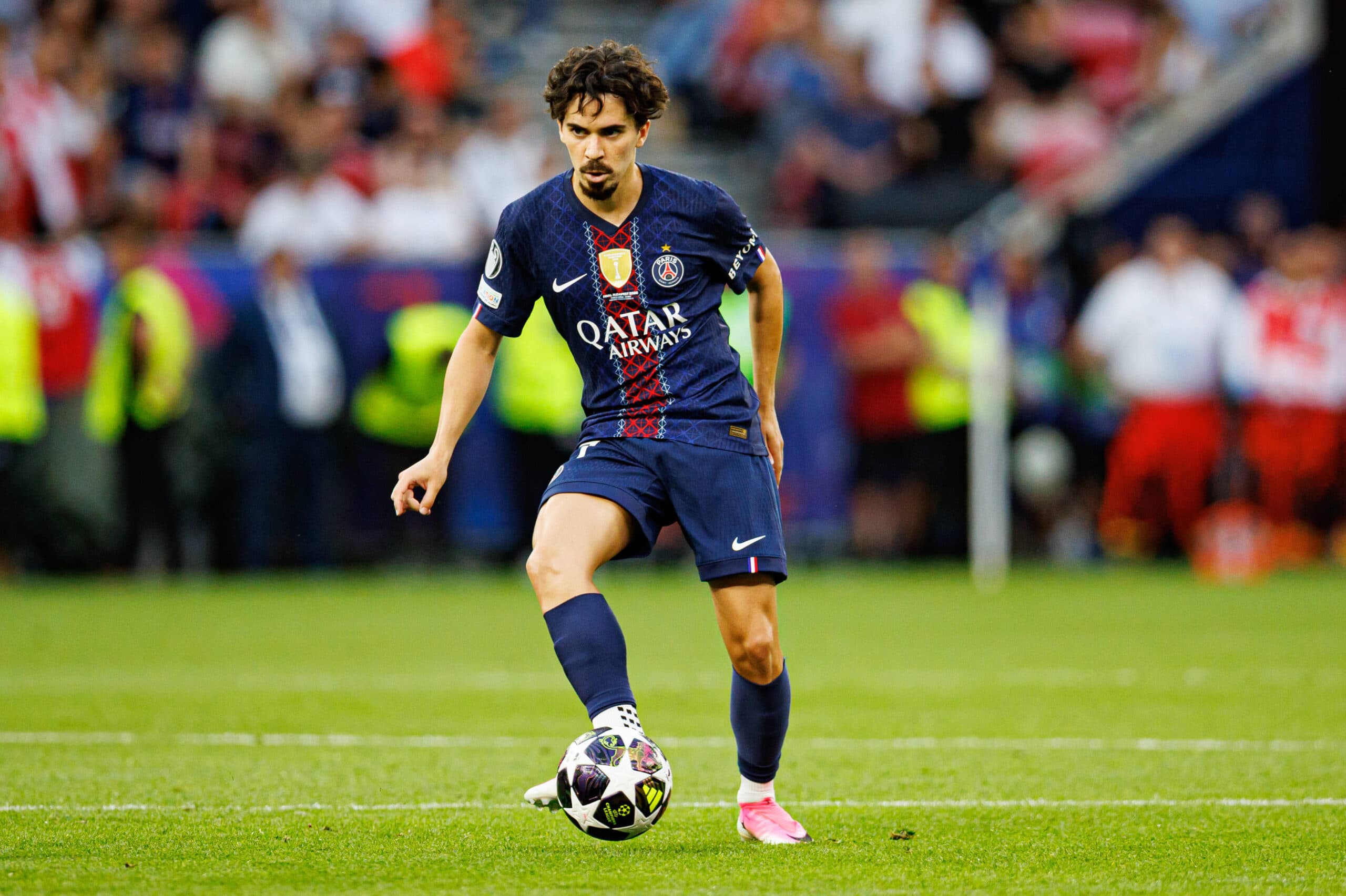
Norway’s rise to the very top of world football is no accident. It is the calculated, triumphant result of a long-term, community-driven masterplan that has transformed a nation synonymous with winter sports into a breeding ground for global superstars like Erling Haaland and Martin Ødegaard.
Before lighting up the world stage, these icons were developed entirely by volunteer coaches, supported by over 1,700 local clubs and more than 500 artificial pitches that keep kids playing in their hometowns year-round.
Guided by the foundational philosophy of "as many as possible, for as long as possible, in the best environment possible," the Norwegian system deliberately avoids early high-pressure cuts and premature specialisation.
Instead, it prioritises pure technical development, rapid decision-making, and the unadulterated joy of the game.
From stunning five-time champions Brazil at the World Cup to domestic clubs like Bodo/Glimt and Viking - who recently stunned Bayern to a 3-3 draw, turning heads in the UEFA Champions League, the Norwegian model is proving that trusting the process pays off in spectacular fashion.
How Norway’s Grassroots System Develops Young Footballers
The systematic transformation of Norwegian football didn't happen by chance. Hakon Grottland, head of player development at the Norwegian Football Federation (NFF), explained to BBC Sport that this success stems from over two decades of planning.
"When I started with the football federation in 2010, it was my dream that Norway could compete at the World Cup because we had too many years of talking about 1998."
A cornerstone of this revival was the establishment of Landslagsskolen (the National Team School - NTS) in 2013, designed to connect grassroots clubs, districts, top clubs, and the federation into a single, cohesive pathway.
As Grottland emphasised to BBC Sport: "It's not like in other countries where the top clubs are working on talent development and the grassroots clubs are just having fun... In Norway, everyone's in it together."
This collectiveness breeds an environment free of ego. As Grottland noted when describing the national team culture to The Athletic: "There are no a**holes, only good guys... Haaland and the others, they just love to be in the national team because they are part of a group."
Erling Haaland and Norway’s World Cup Breakthrough
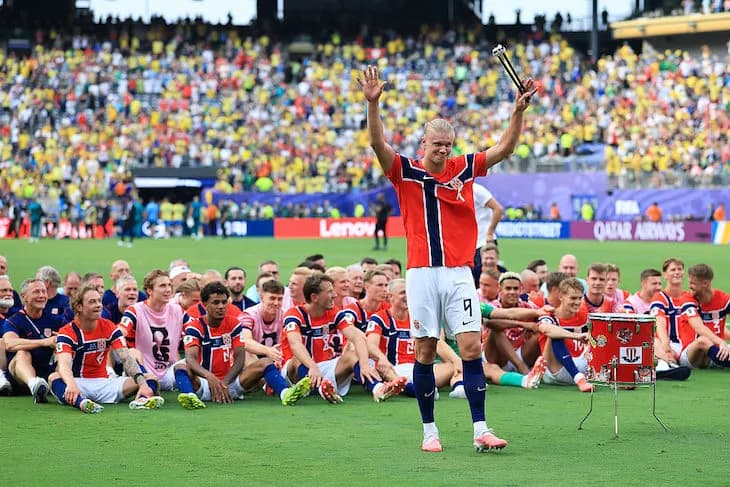
The physical manifestation of this golden generation is none other than Manchester City goal machine Erling Haaland. With 65 goals in 58 appearances for his country, Haaland has become much more than a talisman—he is a global ambassador.
Following their unforgettable run to the World Cup quarter-finals in the United States, Norway captured the world's attention.
Former Norway international goalkeeper Erik Thorstvedt described the national reaction to The Athletic: "It was massive, incredible, kind of overwhelming... We’re supposed to be this rather reserved, held-back kind of people, but we had scenes in Norway that we never thought we would see.
"Some even think that this has actually changed Norway forever… this outpouring of enthusiasm, this sense of togetherness, and obviously Erling Haaland is a big part of that."
Havard Melnaes, a journalist and former editor of Josimar, echoed this sentiment to The Athletic, highlighting the cultural shift: "What happened during the summer was like a mass euphoria. We had tens and tens of thousands of fans congregating in Karl Johans doing the row, going wild, especially after we beat Brazil... Haaland is like a global ambassador for Norway."
Even away from the pitch, Haaland’s humility has resonated deeply. Alf Ingve Berntsen, who coached Haaland from age eight to 16 at Bryne FC, told The Athletic: "I think his behaviour during the World Cup was tremendous. He was friendly, humble, not arrogant like some other superstars... He has made many Norwegians proud because of this."
Bodø/Glimt: Building a European Force from the Arctic
While the national team captures global headlines, domestic innovation is thriving at club level. Bodø/Glimt’s remarkable transformation from the brink of bankruptcy in 2010 to a €70 million European powerhouse highlights the financial and tactical astuteness driving Norwegian football forward.
Through a disciplined wage-to-revenue ratio of approximately 45%, shrewd player sales (such as Albert Gronbæk’s club-record €15 million move to Rennes), and a commitment to maintaining a squad featuring at least 35% local talent, the Arctic giants have proven that sustainable sports management can shatter traditional European ceilings.
How Norway Funds Football Pitches and Grassroots Sport
Nationally, Norway has invested in a huge number of artificial pitches. Between 2016 and 2025, 539 were built, with a further 586 being renovated, external.
For a country that experiences harsh winters, this had a big impact. One unique factor in the way Norway funds domestic sport is how the country uses revenue from gambling.
Betting is strictly regulated and the main, state-owned operator Norsk Tipping donates 64% of its proceeds to sporting purposes, with the main distribution going towards facilities in the country.
In 2026, Norsk Tipping generated more than 2bn Norwegian kroner (£152.7 million) for sports facilities.
What Global Football Academies Can Learn from Norway
Delay Specialization: Keeping children in grassroots community clubs until age 12—rather than snatching them into elite academies too early—preserves their passion and reduces burnout.
Infrastructure is Everything: Heavy investment in all-weather artificial pitches turns a seasonal sport into a year-round technical discipline.
Culture Over Egos: Cultivating a squad identity anchored in togetherness ("Stronger together") creates a resilient team capable of punching above its demographic weight class.