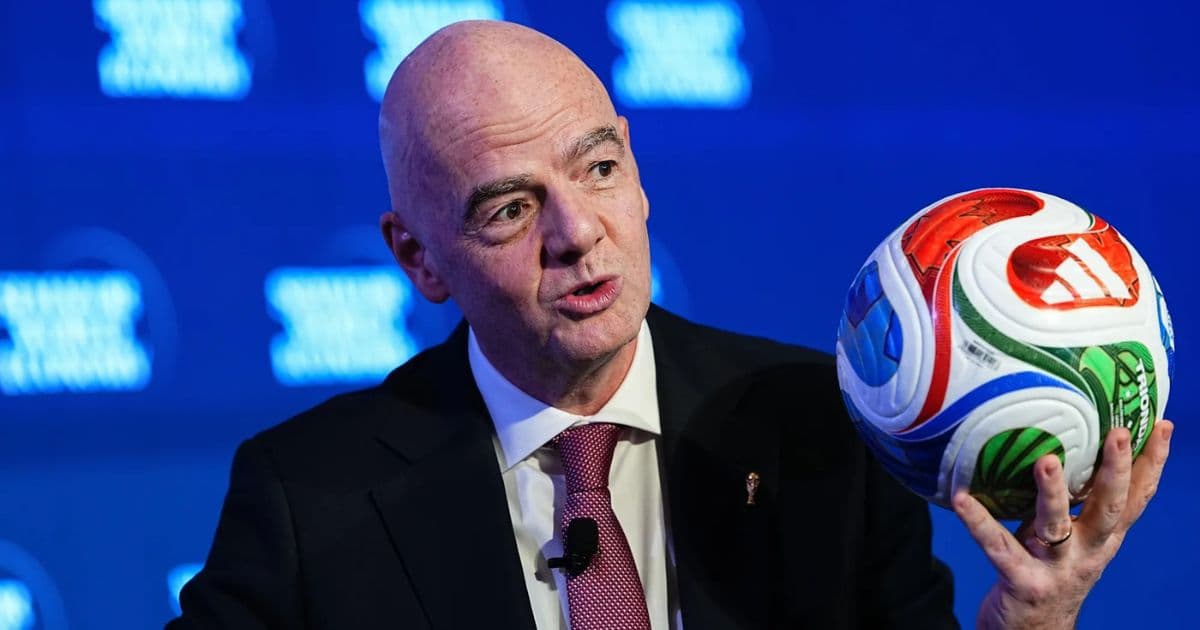
Arsene Wenger is expected to make a final decision this week on whether to challenge Gianni Infantino for the FIFA presidency. Sources close to the former Arsenal manager say he will decide whether to stand before the nomination deadline on Wednesday, 18 November.
Wenger, 77, has been encouraged by senior figures in European football to enter the race, with the election scheduled for 18 March 2027 at the FIFA Congress in Rabat, Morocco.
Wenger has yet to publicly declare his candidacy, but the possibility of him entering the race has given fresh life to an election that had looked increasingly likely to hand Infantino a fourth term.
However, the incumbent still has considerable support within FIFA, making a challenge difficult.
Why Wenger is UEFA’s preferred challenger
Wenger's appeal comes from his reputation in football and his experience within FIFA. He has served as the organisation's Chief of Global Football Development since November 2019, giving him a direct role in its work across different regions.
His coaching career has also given him an international profile. He managed in Japan before spending 22 years at Arsenal, while his work at FIFA has helped build connections across Africa and Asia.
He has also spoken out against a proposal that caused major divisions within FIFA earlier this year. The proposed FIFA Forward Enterprise (FFE) would have created a commercial company to manage parts of FIFA's competitions, with private investors taking a minority stake.
FIFA valued the project at around $20 billion and aimed to raise $4.2 billion.
UEFA, CONCACAF and the Asian Football Confederation opposed the plan, with UEFA threatening to boycott FIFA competitions unless it was dropped. FIFA eventually withdrew the proposal on 1 August following concerns over its governance and transparency.
Wenger, who said he had not been involved in the proposal, described its withdrawal as "necessary and beyond question". His comments drew attention because he had previously been seen as a close ally of Infantino.
What Wenger must overcome
The first hurdle is securing the required nominations. A presidential candidate must be proposed by a FIFA member association and receive written backing from at least five of the organisation's 211 member associations before the 18 November deadline.
Wenger would then need to build enough support to challenge Infantino, who already has backing from several confederations. CAF has reportedly pledged unanimous support for the incumbent, while the Asian confederation has also indicated its backing.
South America, Oceania and the Caribbean Football Union are also expected to support him.
Although the FFE controversy gave Infantino's critics an opportunity to challenge his leadership, he has since strengthened his position. Wenger cannot rely on dissatisfaction with the proposal alone; he would need to turn the encouragement he has received into firm support at the Congress.
Wenger's decision will therefore come down to whether he believes he can build a serious campaign in the time available.