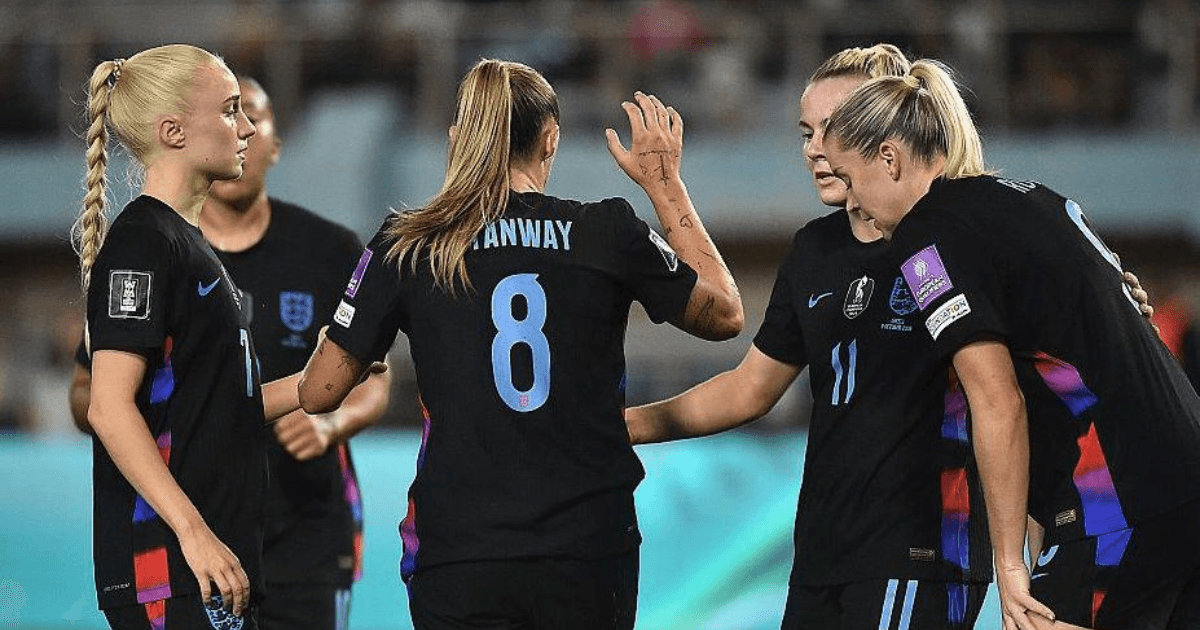
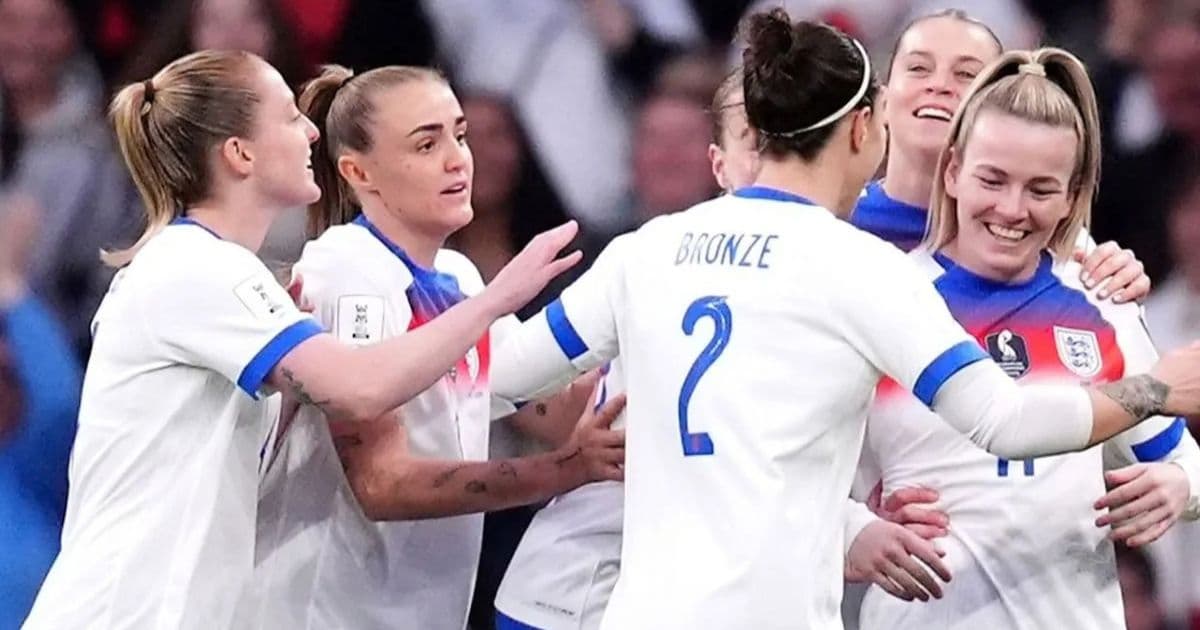
England have the firepower to trouble the best teams in the world, but their latest World Cup qualifying campaign has raised questions over whether the Lionesses are making the most of their opportunities.
Sarina Wiegman's side take a 3-1 advantage into Tuesday's second leg against Greece after winning in Crete on Friday. Yet, despite dominating possession and registering 26 shots, England left with a two-goal lead rather than a result that fully reflected their superiority.
The performance has renewed a familiar debate surrounding the Lionesses: are they clinical enough in front of goal when it matters most?
With qualification for the 2027 FIFA Women's World Cup at stake, Wiegman will want her side to turn their attacking dominance into a more convincing scoreline.
Creating chances is not the problem
England's attacking numbers against Greece suggest a team capable of consistently getting into dangerous positions.
The Lionesses recorded 74 per cent possession, 58 touches in the opposition penalty area and 210 passes in the final third. However, they scored just three times from their 26 attempts, while Greece also struck the crossbar.
The concern is not necessarily England's ability to progress the ball or create openings. Instead, it is what happens when they reach the final third.
Keira Walsh believes the quality of England's final actions must improve, pointing to the final pass, cross and shot as areas where her side fell short.
"In these [qualifying] games, the worrying thing would be if we were not arriving in the final third," Walsh explained.
"It's the final pass, final cross and final shot. That was what was missing [on Friday]."
The midfielder added that the players demonstrate their quality in training, but must reproduce those standards during competitive matches.
For England, that distinction is crucial. Dominating possession means little if it does not consistently translate into goals, particularly when opponents are prepared to defend deep and frustrate them.
Alessia Russo's Goalscoring Record: Is She Being Clinical Enough?
Alessia Russo has been one of England's most consistent goalscorers since Euro 2025, but her attacking statistics also highlight the importance of turning opportunities into goals.
According to the BBC's Opta data, Russo has recorded six goals and two assists in that period.
Alessia Russo's attacking statistics since Euro 2025
| Statistic | Total |
|---|---|
| Goals | 6 |
| Assists | 2 |
| Shots | 41 |
| Shots on target | 19 |
| Minutes per goal | 142 |
| Touches in the box | 108 |
Source: BBC Sport/Opta. Figures shown in the BBC graphic
Russo has scored six goals from 41 shots, with 19 efforts on target. Her average of one goal every 142 minutes demonstrates that she remains an important attacking outlet for the Lionesses.
However, the numbers also raise a question about efficiency. England need their centre-forward to convert the opportunities that fall her way, particularly in matches where the team dominates possession but struggles to build a commanding lead.
It would be unfair to judge Russo on finishing alone. Her movement, link-up play and ability to occupy defenders all contribute to England's attacking structure.
Nevertheless, improving the conversion of chances will be important if the Lionesses are to compete with the strongest sides in major tournaments.
Why England Women Need Goals From Across the Team
Russo is not the only player expected to provide a threat in front of goal.
England's goals since Euro 2025 have been spread across several players, although Georgia Stanway has emerged as the leading scorer during that period.
Where have England's goals come from since Euro 2025?
| Player | Contribution shown in BBC graphic |
|---|---|
| Georgia Stanway | Highest share of goals |
| Alessia Russo | Second-highest share |
| Beth Mead | Part of the team's goalscoring spread |
| Laura Blindkilde Brown | Part of the team's goalscoring spread |
| Lauren Hemp | Part of the team's goalscoring spread |
| Lucy Bronze | Part of the team's goalscoring spread |
Source: BBC Sport/Opta. The graphic shows the relative distribution of goals; exact totals for each player are not labelled.
The chart reinforces the point that England are not wholly reliant on Russo. Stanway has scored 10 goals since Euro 2025, while the team have had 11 different goalscorers during that period.
That variety is a positive. Opponents cannot focus exclusively on shutting down one forward, and contributions from midfielders and defenders give England additional ways to break down stubborn defences.
However, spreading the goals around is not the same as being clinical. England must find a way to turn periods of sustained pressure into more decisive victories, rather than allowing opponents to remain in games.
Is Finishing a Recurring Problem for the Lionesses?
The questions surrounding England's finishing are not new.
Their run to the 2023 FIFA Women's World Cup final included 1-0 wins over Haiti and Denmark, a penalty shootout victory over Nigeria and a 2-1 comeback win against Colombia in the quarter-finals.
More recently, their qualifying campaign has featured hard-fought results against Iceland and Spain, while the first leg against Greece offered another example of England failing to turn their superiority into a commanding advantage.
There are, of course, different circumstances behind each performance. International football is rarely straightforward, and teams facing England often prioritise defensive organisation over attacking ambition.
However, the pattern highlights the importance of greater efficiency in the penalty area.
England have also lost to Brazil and Spain after falling behind since Euro 2025, highlighting the importance of taking their chances before matches become more difficult. Improving their finishing could help them avoid the need for late comebacks in the first place.
How England Women Can Find the Right Attacking Balance
England's depth in attacking areas should give Wiegman plenty of options, but injuries and positional changes have created challenges.
Alessia Russo remains a leading option at centre-forward, while the availability of Aggie Beever-Jones and Michelle Agyemang affects Wiegman's alternatives in attack.
Lauren Hemp has continued to offer pace and direct running, although goalscoring has not traditionally been her strongest contribution.
Lauren James, meanwhile, has operated across several attacking positions, while Beth Mead has also featured in midfield as well as further forward.
Finding the right combination is not simply about selecting the most talented individuals. It is about building relationships that allow those players to anticipate each other's movements and make better decisions around the box.
Former England striker Ellen White believes establishing those connections is essential.
"You need to build your own rhythm. You can't just whizz the ball around quickly all the time, so you need players in midfield who can dictate it," White said on the Women's Football Weekly podcast.
She also highlighted the importance of developing an understanding between attacking midfielders and centre-forwards.
That relationship can make the difference between a promising attack and a clear goalscoring opportunity.
Why England Women's Attacking Play Matters as Much as Finishing
Former England midfielder Fran Kirby has also emphasised the importance of movement and composure in the final third.
Against opponents defending deep, England need to create space rather than simply move the ball quickly from side to side.
Runs in behind can force defenders to retreat, while clever movement between the lines can open passing lanes and create better shooting positions.
Kirby suggested England's approach against Greece sometimes looked rushed rather than controlled, arguing that players must recognise when to release the ball and when to remain patient.
It is a reminder that clinical finishing starts before the shot itself. Better movement, sharper combinations and improved decision-making can all increase the likelihood of converting chances.
England Women vs Greece: What the Lionesses Must Improve
England remain in a strong position heading into Tuesday's return fixture at Leicester's King Power Stadium, holding a two-goal advantage from the first leg.
But Wiegman has made it clear that she expects greater precision in the final third, highlighting the importance of choosing the right pass, making well-timed runs and deciding when to cross or cut the ball back.
The Lionesses do not need to abandon their attacking approach. Their ability to dominate possession and create chances remains a major strength.
Instead, they must ensure that control produces a more decisive outcome.
With the next stage of World Cup qualification within reach, England have an opportunity to address those concerns and build momentum.
The question is no longer whether the Lionesses can create chances. It is whether they can become ruthless enough to make those chances count.