One of the biggest transfer sagas of the summer appears to be nearing its conclusion.
David Ornstein has reported for The Athletic that an agreement has been reached in principle between Aston Villa and Paris Saint-Germain for the transfer of the teenage star.
The Lions are prepared to pay €55 million to sign the 18-year-old on a permanent deal, beating Liverpool to an agreement.
The winger, who starred for Senegal at the FIFA World Cup this summer, now appears set for a move to the Premier League.
How Aston Villa Beat Liverpool to the Ibrahim Mbaye Deal
Ibrahim Mbaye's name was on the lips of many a sporting director this summer, but Villa's interest in the youngster dates back over a year.
Mbaye was available for a transfer after informing PSG of his desire to leave in search of more regular minutes.
Villa wanted a versatile winger capable of stretching defences with vertical movement off the ball and providing an attacking outlet.
The youngster was seen as a fit for the role, but the English side baulked at PSG's initial asking price, and instead went for Alejandro Garnacho.
With the transfer window nearing its end and the lack of attacking depth made painfully obvious last week, the UEFA Europa League holders have moved to strengthen their squad.
They have agreed a potential club-record deal for Nicolas Jackson and targeted Rafael Leao, who appears set for a move to Galatasaray.
This resulted in a change of plans, and the club turned to Mbaye to bolster their attack.
The 18-year-old had reportedly agreed personal terms with Liverpool, but the Reds were put off by PSG's asking price, leaving Villa with an opportunity to strike.
The relationship between Villa chairman Nassef Sawiris and PSG president Nasser El-Khelaifi helped to unlock the deal, allowing an agreement to be reached between both clubs.
Who Is Ibrahim Mbaye? From PSG Wonderkid to World Cup Record-Breaker
Former France youth international Mbaye joined PSG's academy as a 10-year-old in 2018, having previously played for FC Versailles 78.
He rapidly rose through the ranks at the Parc des Princes, and his senior debut came when he was 16 years old in 2024.
He holds the record for being the youngest player to start a game for PSG, doing so in the first league game of the 2024-25 season against Le Havre.
In all, he has appeared 42 times for Les Parisiens, scoring four goals and providing four assists for the club.
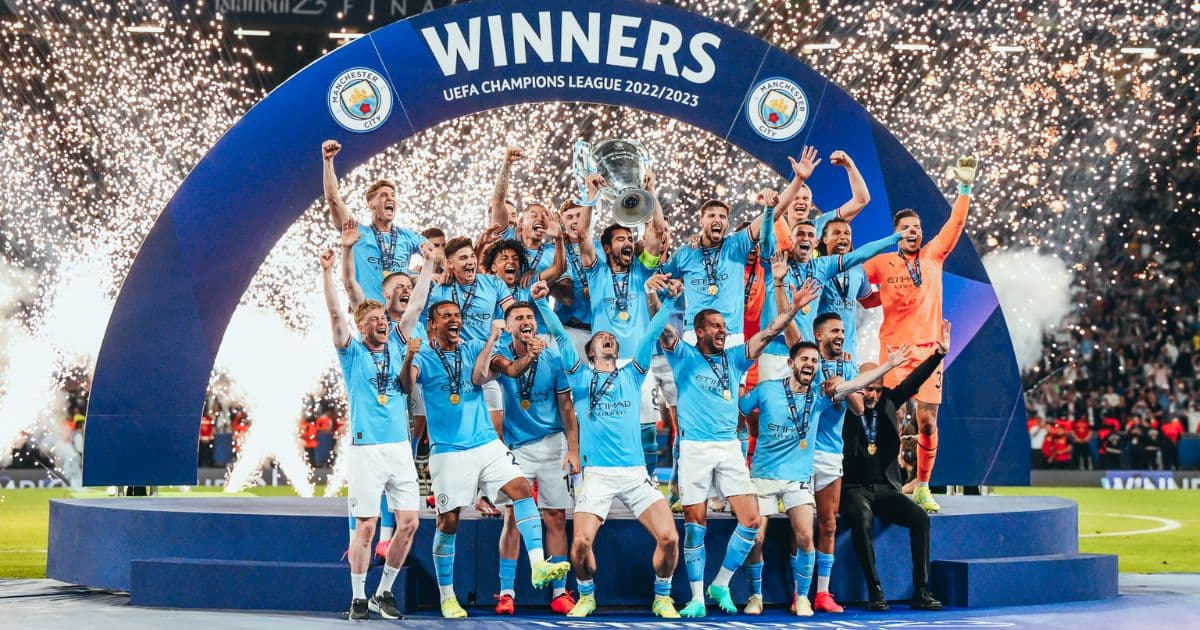
He was part of the squad that won the UEFA Champions League in successive seasons, even if he only played four times in the 2025-26 season.
The winger received his first senior call-up to the Senegal national team in November 2025 and scored on his second cap to become his country's youngest-ever goalscorer.
He appeared and scored at the Africa Cup of Nations (AFCON), becoming Senegal's youngest-ever player and goalscorer in AFCON history.
This summer, he scored on his FIFA World Cup debut against France aged 18 years and 142 days old, becoming the youngest Senegalese and African to score in the competition.
What Young Players Can Learn From Ibrahim Mbaye’s Rapid Rise
Ibrahim Mbaye's career path so far is one of self-belief and confidence bordering on arrogance, at times.
The youngster believed in himself in the academy and quickly established himself as a first-team player for club and country.
Young players must understand the importance of backing themselves and believing in their talent, as self-belief can play a major role in determining how far they go.
Also, young players must be prepared to make the most of every opportunity given to them in their career.
Mbaye managed to impress Luis Enrique in pre-season friendlies and quickly became a member of his first-team squad, and he performed well enough in his limited game time to remain in the squad.
Young players must understand that international football provides a major opportunity that clubs may not give to them.
Dual-national players should consider pathways that could offer them greater opportunities for significant minutes and international exposure, such as Mbaye and also Ayyoub Bouaddi did with Senegal and Morocco, respectively.