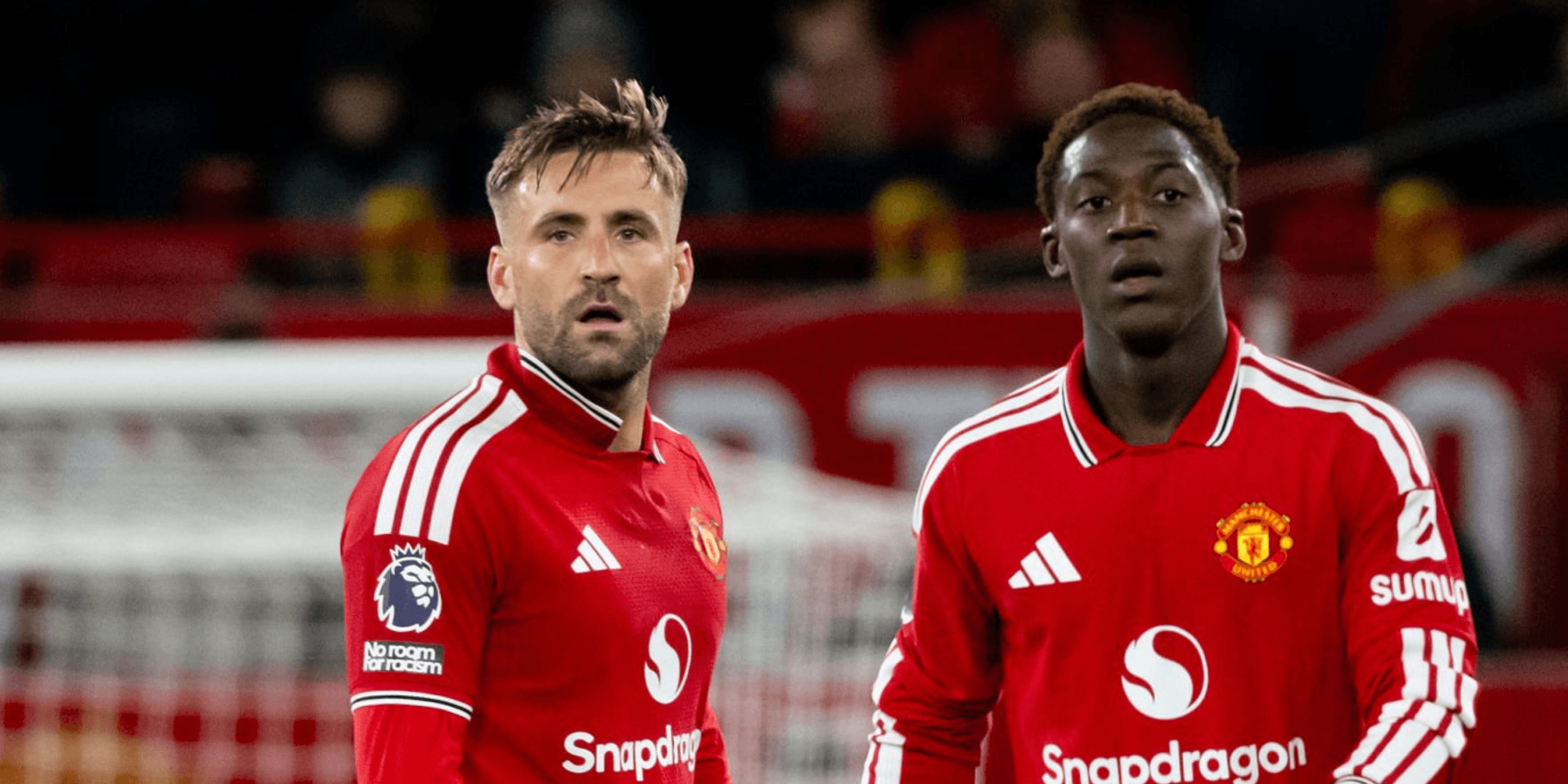
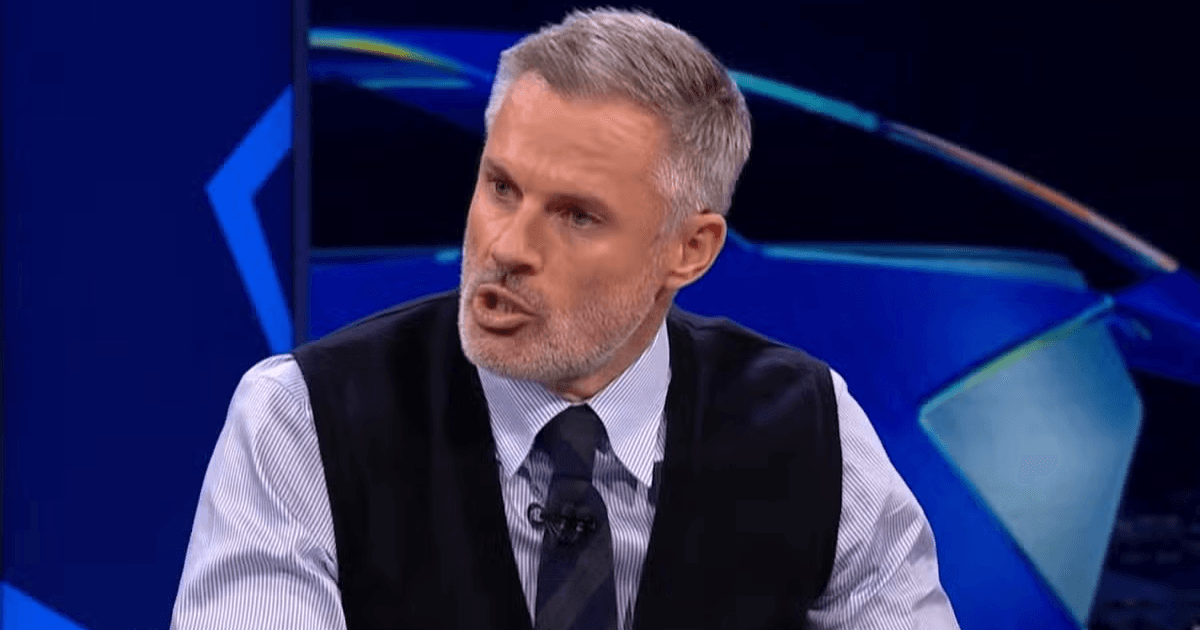
Jamie Carragher has branded Lisandro Martínez’s public criticism of Manchester United’s hierarchy “awful” but the Liverpool legend once launched a fierce attack on his own club’s owners.
The former defender has questioned Martínez’s decision to speak out against United’s hierarchy following the club’s latest defeat, arguing that the Argentine's comments will only create further distractions.
Speaking on CBS Sports, Carragher said Martínez’s remarks would do nobody any good, before questioning the Argentine’s suggestion that United had enjoyed a successful previous campaign.
However, Carragher’s own history at Liverpool provides an interesting comparison.
In 2008, the former defender publicly criticised American owners Tom Hicks and George Gillett in his autobiography, accusing them of treating Liverpool as a financial opportunity rather than putting the club first.
Although the circumstances were different, the two episodes raise an intriguing question about when speaking out against a club’s leadership is justified.
What did Carragher say about Martínez?
Carragher was particularly critical of Martínez’s decision to question Manchester United’s hierarchy at a time when the club are struggling on the pitch.
“I think it’s awful that he’s come out and said that right now. I do,” Carragher said on CBS Sports.
He argued that the comments would dominate the headlines for days, shifting attention away from United’s performances and towards the disagreement between the player and the club’s leadership.
Carragher also challenged Martínez’s suggestion that United had enjoyed a fantastic season previously, pointing to their league position and early exits from cup competitions.
The former Liverpool defender argued that United’s results needed to be viewed in the context of the wider Premier League, suggesting that their league finish had also been influenced by disappointing campaigns from rival clubs.
Carragher also defended the club’s approach to spending, arguing that years without regular Champions League football had created financial pressure.
He pointed to United’s substantial transfer expenditure over several seasons, questioning how long the club could continue investing heavily without consistently earning the revenue associated with Europe's leading competition.
Carragher did not spare Martínez from criticism either, describing the defender’s start to the current season as “awful” and “really poor”, despite acknowledging his quality as a World Cup winner.
His central argument was that players must take responsibility for their performances rather than allowing public disagreements with the hierarchy to become the dominant story.
When Carragher turned on Liverpool’s owners
Carragher’s comments are particularly interesting given his own criticism of Liverpool’s ownership during a turbulent period at Anfield.
In September 2008, he launched a scathing attack on Hicks and Gillett in Carra: My Autobiography, expressing frustration over promises of investment, plans for a new stadium and the financial arrangements surrounding their takeover.
The Americans had bought Liverpool in 2007, but their ownership quickly became controversial as disagreements emerged over the club’s finances and future direction.
Carragher accused the pair of viewing Liverpool as a way to make money rather than prioritising the team and its supporters.
“For richer or poorer, we’d sold Liverpool to two ruthless businessmen who saw us as a money-making opportunity,” he wrote.
He was particularly angry about the debt associated with the takeover and the interest payments Liverpool faced as a result.
Carragher also questioned the possibility of Hicks and Gillett making substantial profits from their investment, arguing that the money involved could otherwise have been used to strengthen the squad.
His criticism reflected the growing frustration among Liverpool supporters, many of whom had become increasingly concerned about the club’s financial position and the stalled stadium plans.
Carragher also questioned Rafa Benítez
However, Carragher’s account of Liverpool’s ownership crisis was not simply a case of blaming the Americans.
He also suggested that then-manager Rafa Benítez had contributed to the conflict by publicly calling for greater investment after Liverpool lost the 2007 Champions League final to AC Milan.
Carragher argued that Benítez’s comments helped bring disagreements into the open, escalating tensions between the manager and the owners.
He understood why Hicks and Gillett were unhappy about being publicly undermined, even while criticising their own behaviour towards the Spaniard.
Reflecting on the dispute, Carragher wrote: “It was a political rather than football battle, and although the fans wanted to see it in black and white terms, with the owners the bad guys and Rafa their hero, I saw far more shades of grey.”
That admission is important when comparing the two situations.
Carragher was prepared to challenge Liverpool’s owners publicly when he believed the club’s interests were at stake. But he also recognised that public disagreements between managers and owners could damage a club and distract from football.
Is Carragher contradicting himself?
The comparison does not necessarily mean Carragher has contradicted himself.
His criticism of Liverpool’s owners focused on the financial decisions being made at the club, the debt created by the takeover and concerns about promises that had not been fulfilled.
His comments about Martínez, meanwhile, centred on the timing of the defender’s remarks, United’s performances and whether publicly questioning the hierarchy would help the situation.
There is a distinction between criticising decisions that affect a club’s long-term future and choosing to air grievances immediately after a disappointing result.
Carragher’s 2008 account also showed that he did not believe Benítez was entirely justified in allowing the disagreement to play out publicly.
Nevertheless, the comparison highlights the difficult balance players face when they believe those in charge are making mistakes.
Supporters often welcome criticism of owners and executives, particularly when results are poor. But public comments from players can also create distractions, intensify pressure and make existing problems harder to resolve.
For Manchester United, the immediate concern remains their performances on the pitch. Martínez’s comments have added another talking point, but Carragher believes the players must first demonstrate that they deserve better.
Whether supporters agree with that assessment is another matter entirely.