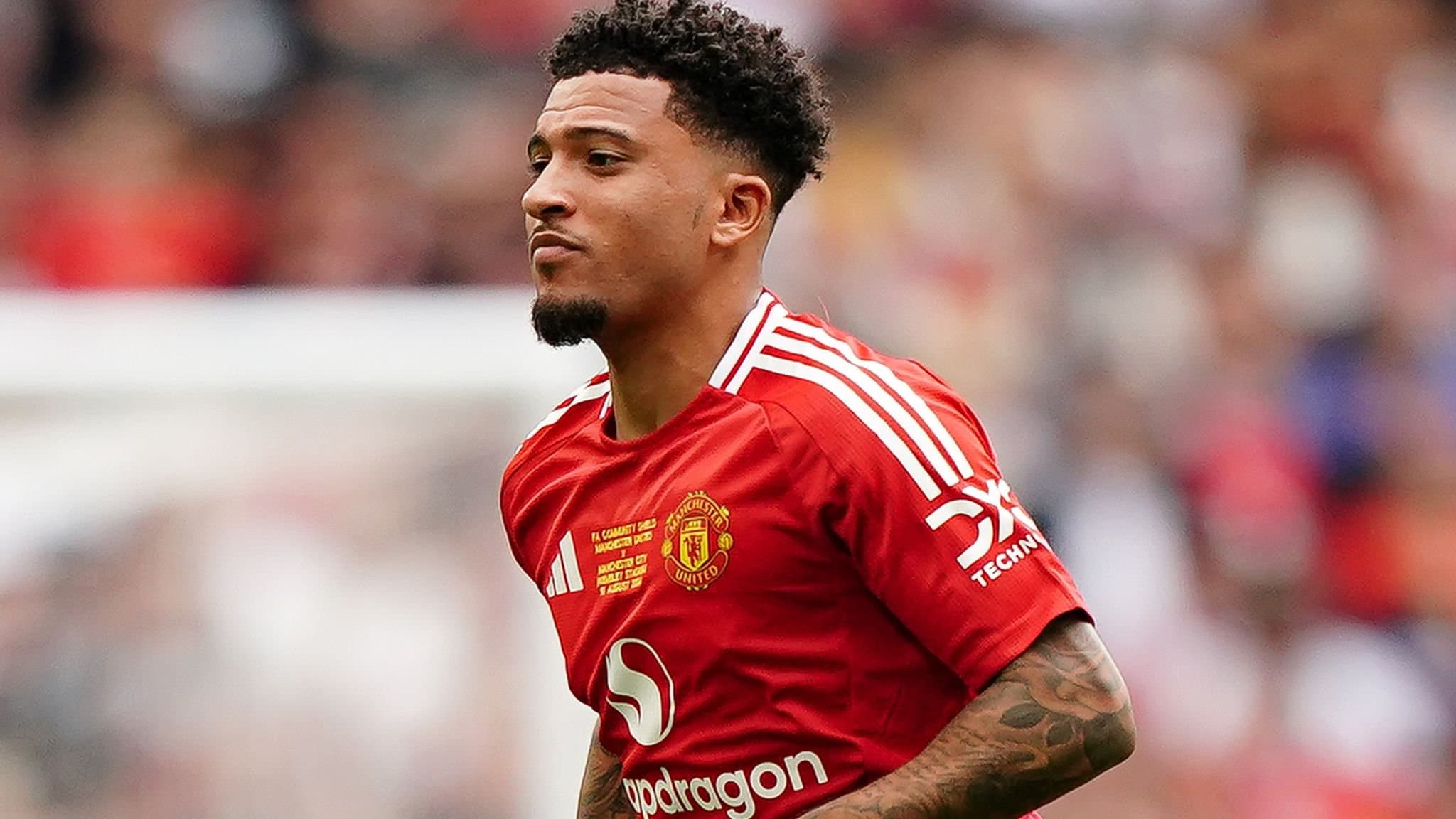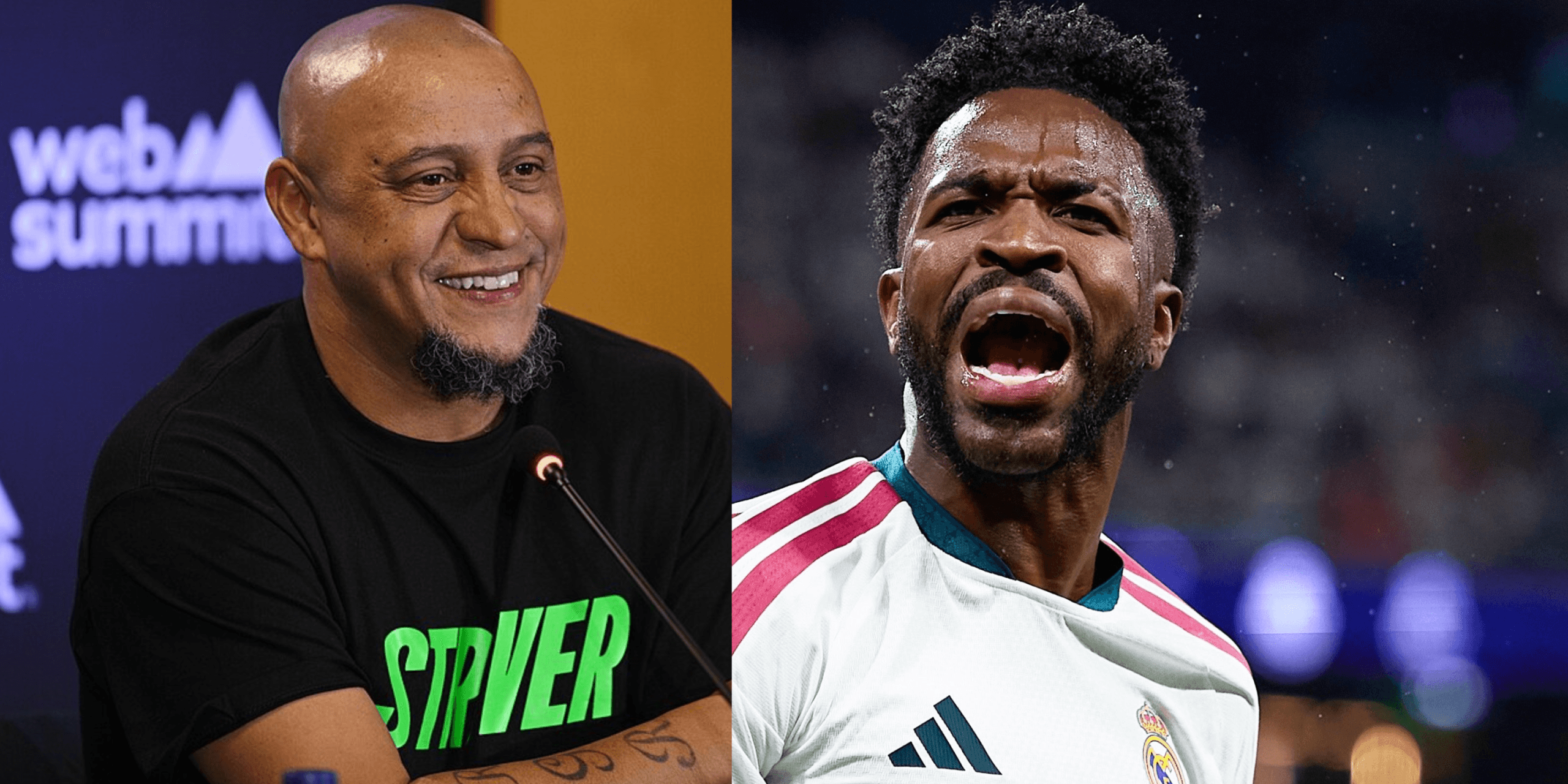
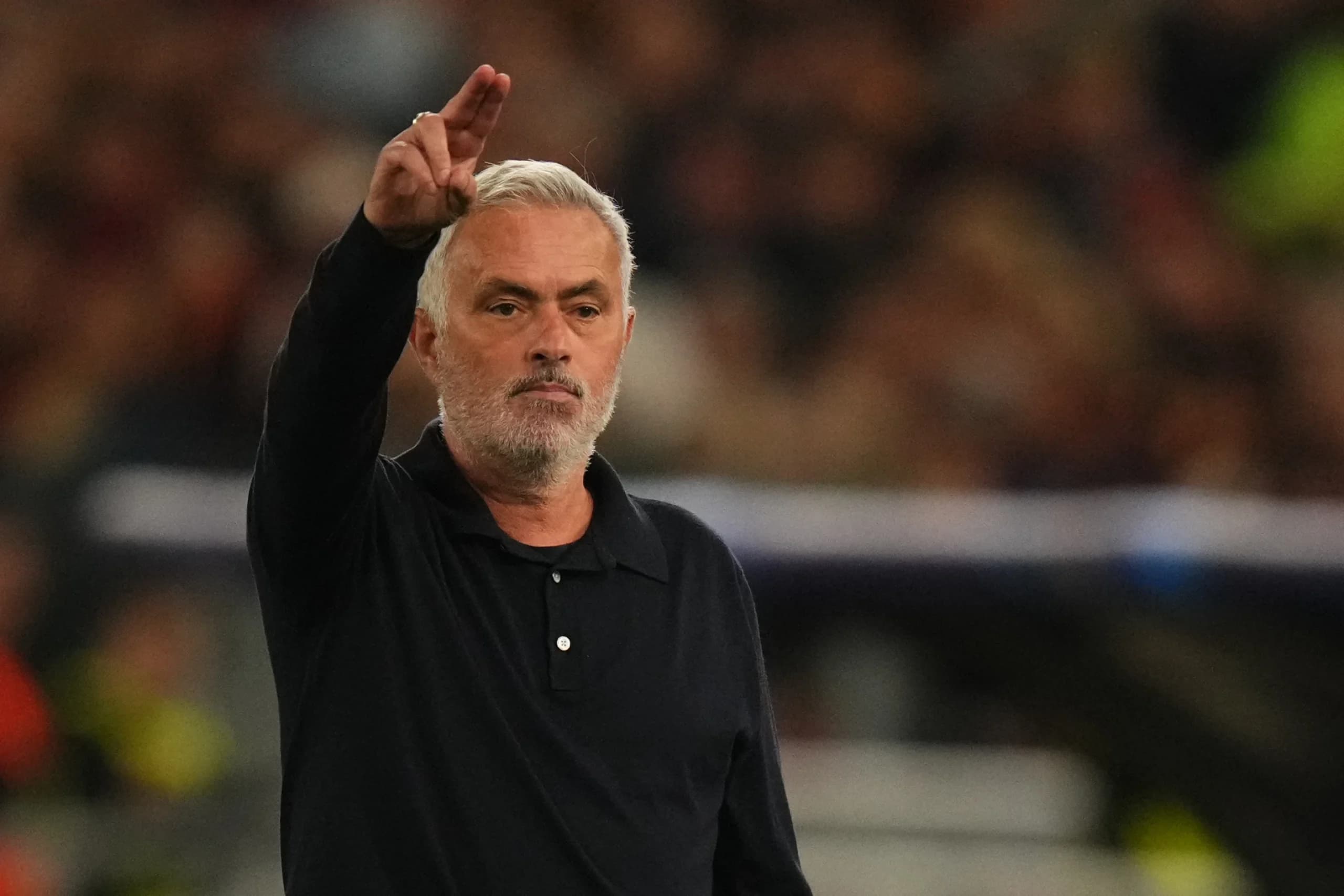
When Florentino Perez brought Jose Mourinho back to the Santiago Bernabéu ahead of the 2026-27 season, the mandate was to restore discipline, address dressing-room tensions and re-establish Real Madrid as a title-winning force.
After two consecutive seasons without major silverware, Mourinho faced the challenge of addressing problems that extended beyond results on the pitch.
A dramatic 4-3 midweek Champions League victory over Roma, where Los Blancos overturned a 3-1 deficit with three late goals from the 83rd minute, provided a classic slice of Bernabeu chaos.
Yet, behind the romantic narrative of an improbable European comeback, familiar tactical deficiencies remain exposed.
Trailing Barcelona in La Liga ahead of El Clasico, Mourinho must make five key structural changes if Madrid are to mount a genuine title challenge.
1. Resolve the Vinicius Jr-Mbappe Tactical Conflict
Since Kylian Mbappe arrived in the summer of 2024, successive managers, including Carlo Ancelotti, Xabi Alonso and Alvaro Arbeloa, have struggled to balance the roles of the Frenchman and Vinicius Junior in attack.
Both players prefer operating in the left-hand channel, creating congestion in possession and potentially leaving Madrid exposed on that flank when the team loses the ball.
Against Roma, Vinicius was substituted in the 59th minute after a difficult spell, and appeared frustrated as he took his place on the bench.
While Mourinho has shown a willingness to substitute established stars, the deeper tactical question is whether Mbappe can contribute more consistently to Madrid’s pressing structure.
Mourinho must establish strict tactical boundary lines: either Mbappe commits to pressing triggers and tracking back, or the manager must rotate his frontline dynamically to maintain collective balance.
2. Replace Toni Kroos’ Creativity in Midfield
Since Toni Kroos retired in 2024, Real Madrid have lacked a consistent deep-lying organiser capable of dictating the tempo and helping the team play through a high press.
The summer recruitment of Bernardo Silva provided technical quality, but the Portuguese maestro is fundamentally an advanced playmaker rather than a first-phase organiser.
After failing to secure Rodri, Madrid also missed out on alternative midfield targets such as Enzo Fernández and Sandro Tonali.
To address the issue, Mourinho could use Arda Guler in a deeper midfield role alongside Bernardo Silva, helping Madrid progress the ball from deep rather than relying primarily on direct counter-attacks.
Read More: Jose Mourinho at Real Madrid: Success Story or Second-Spell Failure?
3. Rebalance Real Madrid’s Valverde-Tchouameni Midfield Partnership
The double-pivot partnership of Federico Valverde and Aurelien Tchouameni has repeatedly struggled to construct fluid passing lanes under pressure.
Both offer considerable physical and defensive qualities, but their partnership can lack the line-breaking passing needed to unsettle compact defensive blocks.
Mourinho saw a potential solution in Rome: after Bernardo Silva replaced Tchouameni and Valverde moved to right-back, Arda Guler took up a more central role and Madrid improved their control of midfield.
Subbing or benching established leaders like Valverde or Tchouameni is politically risky, but Mourinho must prioritize structural harmony over reputation to keep Madrid’s midfield functional.
4. Give Endrick and Carlos Espi a Greater Role in Real Madrid’s Attack
Some Madrid supporters have grown frustrated with what they perceive as a lack of effort from the club’s highest-paid stars.
The contributions of Endrick and young forward Carlos Espi in the comeback against Roma demonstrated the value of energy and directness. Espi scored in the closing stages, while Endrick added another goal shortly afterwards.
With Vinicius Jr serving a four-match domestic suspension after his dismissal against Villarreal, Mourinho has an opportunity to give Endrick and Yan Diomande more playing time.
Establishing a true meritocracy where performance and defensive work rate dictate starting berths will reinvigorate squad motivation and win over a demanding fan base.
5. Restore Dressing-Room Discipline Without Creating Further Tension
Mourinho’s predecessors, particularly Xabi Alonso last season, faced significant resistance when attempting to change dressing-room dynamics too quickly. Real Madrid is an environment governed by player power, board politics, and intense media scrutiny.
Privately, Mourinho and his coaching staff celebrated the grit required to win in Rome. Yet, as Mourinho pragmatically stated post-match: "If we’d started the match with the same 11 players we finished with, they’d have scored five against us."
The Special One must manage the transition carefully, asserting his authority through tactical changes without alienating influential players ahead of the fixtures against Sevilla and Barcelona.