When Liverpool beat Crystal Palace at Anfield on April 25, few would have expected it to be their last Premier League home victory for six months.
Yet, as Brighton & Hove Albion head to Anfield on Sunday, Liverpool are approaching six months without a Premier League home victory.
The Reds have produced memorable European nights under Andoni Iraola, including a dramatic 4-3 Champions League win over Villarreal and a victory over Atletico Madrid.
But Liverpool's Premier League performances at Anfield have told a different story, with the home crowd yet to see a league victory this season.
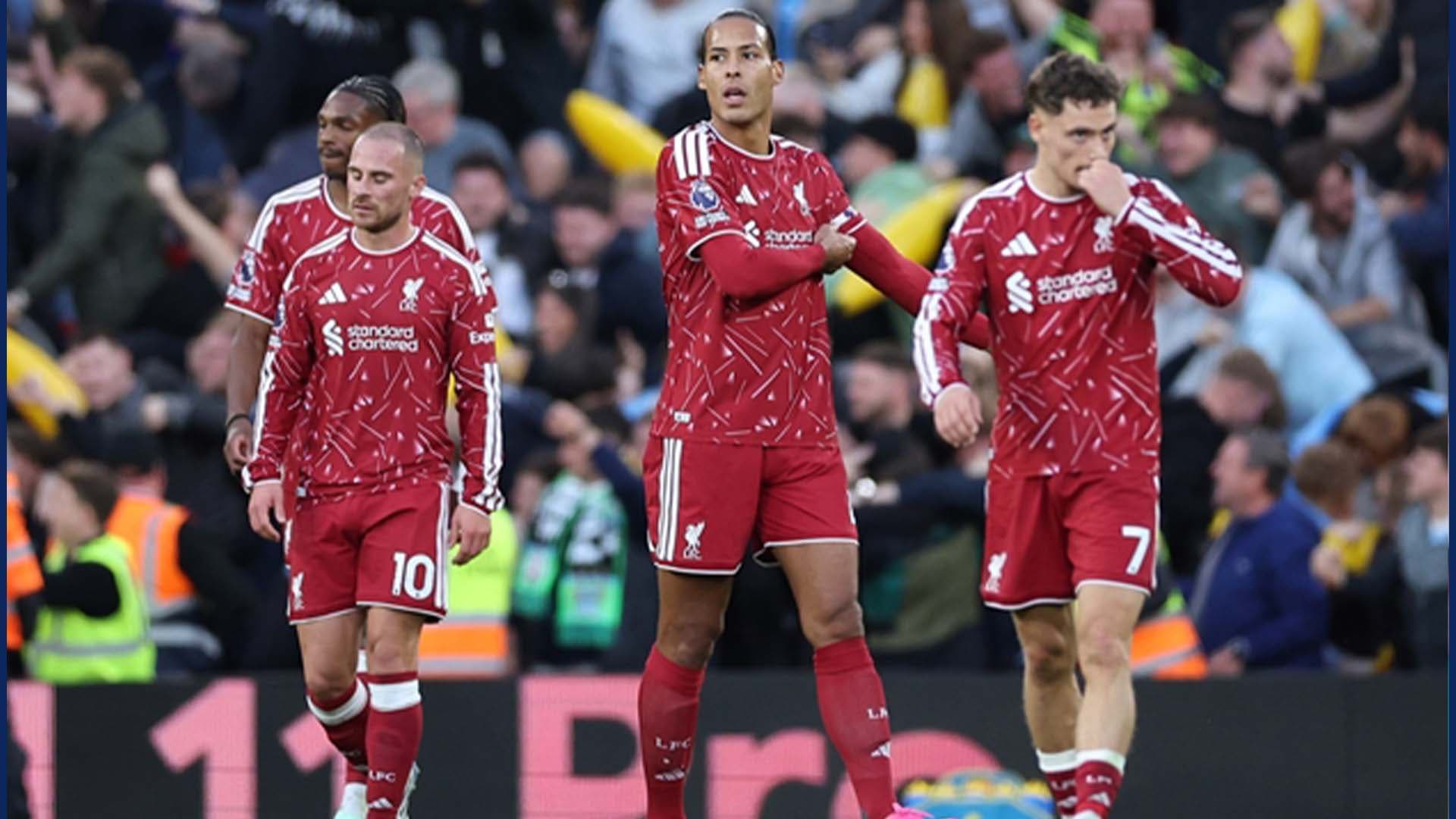
Liverpool's home league struggles have continued into the new season, with draws against Nottingham Forest and Fulham followed by a 3-0 defeat to Manchester City.
To restore Anfield's reputation as a difficult venue for visiting teams, Iraola must address three key problems.
Why Liverpool are struggling to break down Premier League defences
Iraola's approach emphasises aggressive pressing and quick, vertical transitions. That works brilliantly when teams come to Anfield wanting to trade punches—like Villarreal in the Champions League.
The challenge is that compact defensive setups can limit the space Liverpool need to exploit with quick transitions. Their draws against Fulham and Nottingham Forest provide useful examples to examine.
In the 0-0 draw against Fulham, Liverpool struggled to turn their attacking options into goals, with Fulham's defensive organisation limiting the space available in behind. High-tempo pressing alone is not enough if Liverpool cannot create chances against a compact defensive line.
How suspensions and attacking injuries have disrupted Liverpool
You can't talk about this home run without mentioning how bad luck and poor discipline have killed Liverpool's momentum at the worst possible moments.
Look at the Manchester City game: it was finely balanced on the hour mark until Ryan Gravenberch picked up a second yellow card.
Against a side of City's quality, going down to 10 men left the Reds vulnerable, and their opponents capitalised with three goals. Combine that with a treatment room that has kept Alexander Isak, Cody Gakpo, and Dominik Szoboszlai out at various points, and Iraola has constantly been forced to patch up his front line just when stability was needed most.
Has the pressure at Anfield become a problem for Liverpool?
The relationship between the Kop and the players has long been central to Liverpool's home atmosphere, but recent league performances have raised questions about how pressure is affecting the team.
The sluggish end to last season under Arne Slot left a lingering hangover, and when Liverpool start games slowly, that anxiety leaks straight from the stands onto the pitch.
It's no coincidence that the best atmospheres this season have come during midweek cup ties—the crowd stayed patient, backed the boys through slow starts, and got rewarded with wins.
If frustration does build during Sunday's match, Liverpool will need to respond with composure rather than allow pressure to disrupt their performance.